Repointing renews the mortar joints; rebuilding replaces failed brickwork. The right choice depends on where the damage lives. If the bricks themselves are sound and the wall is still straight and stable, fresh mortar may be all the wall needs. If the bricks are failing, the wall is moving, or water has damaged the structure behind the face, new joints alone will not solve the problem. This guide explains how to tell the difference, what each job involves, and what to ask before you commit to either repair.
A brick wall is a system, not a single surface. Bricks carry load, mortar bonds them and seals the joints, and the parts behind the face, including ties, flashing, and backing, keep the whole assembly working together. When one part of that system fails, the repair has to match the failure. Choosing the smaller repair for a structural problem wastes time and money. Choosing a rebuild when only the mortar has worn out replaces sound brickwork for no good reason. A careful inspection, rather than the size of the crack alone, should drive the decision.
What Repointing Actually Fixes
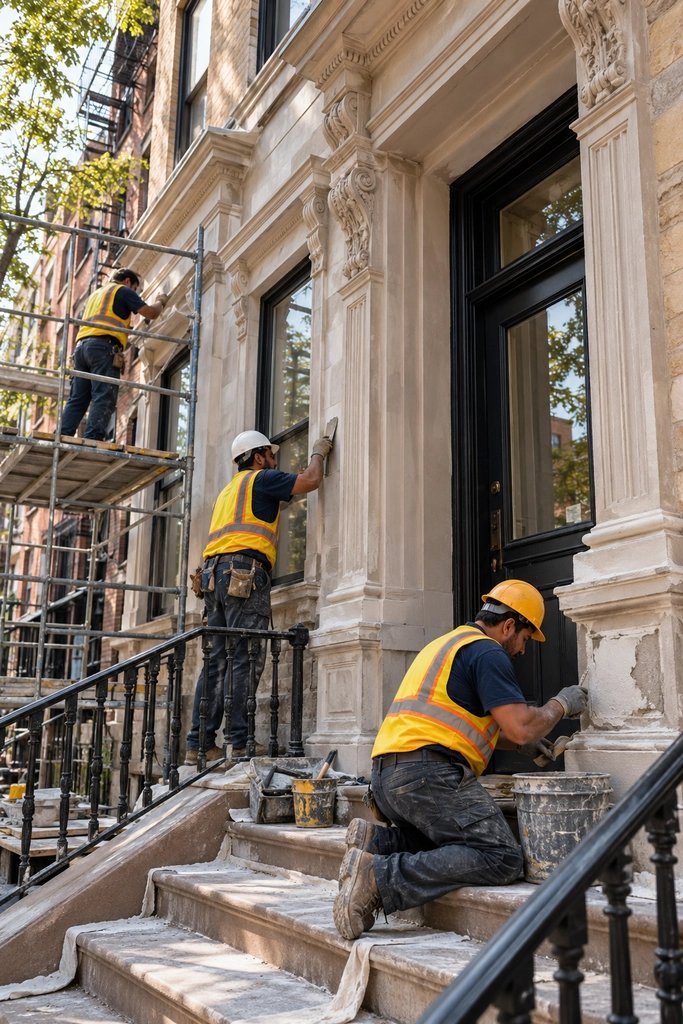
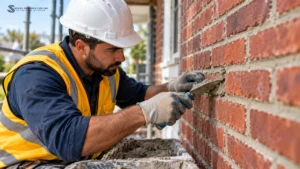
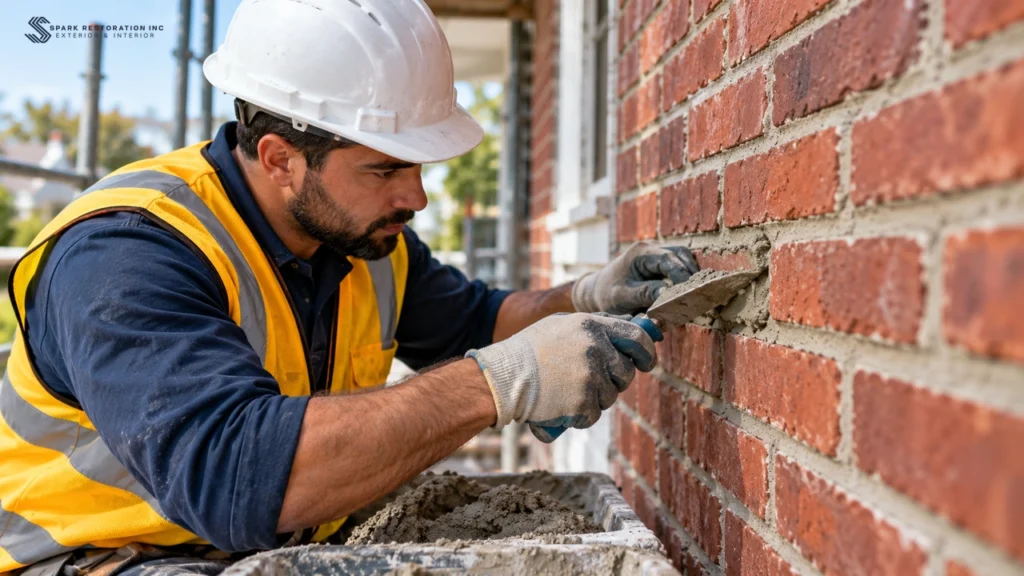
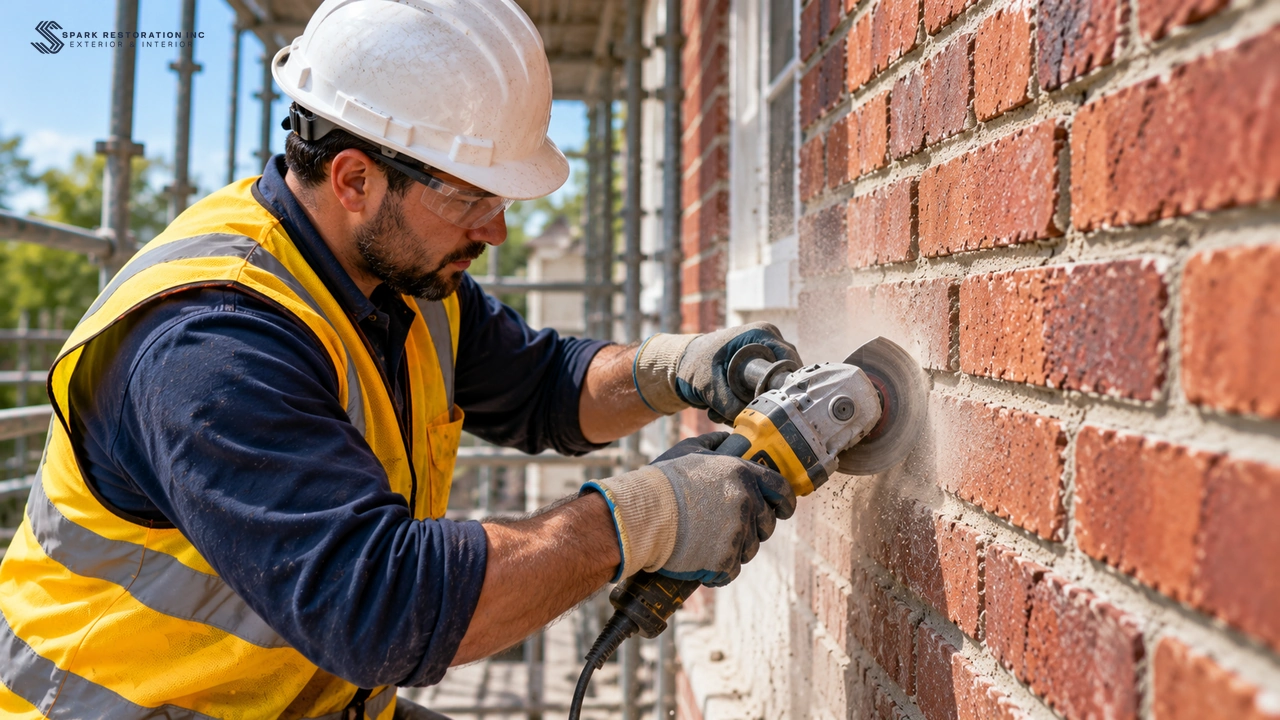
Repointing is the process of removing deteriorated mortar from the joints and replacing it with new mortar. The bricks stay in place. The mason grinds or rakes out the soft, cracked, or missing mortar to a sound depth, cleans the joints, and packs in mortar matched as closely as possible to the original in strength, color, and texture. The joints are then shaped and finished so water sheds away from the wall rather than sitting in a shallow pocket.
Repointing fixes problems that live in the joint itself. Weather, freeze-and-thaw cycles, and age gradually wear mortar down, especially on exposed walls, parapets, and chimneys. As joints open up, rain can enter the wall, and the bond between bricks weakens. Fresh mortar restores that bond, improves weather resistance, and gives the wall a cleaner, more even appearance. It does not straighten a leaning wall, replace broken bricks, or repair hidden damage behind the brick face. For a broader look at professional masonry services in New York, it helps to think of repointing as joint renewal: targeted, precise work that protects sound brickwork.
What Rebuilding Involves
Rebuilding means taking down the failed section of brickwork and laying it again. Depending on the damage, that may mean rebuilding a small panel, a full wall section, a chimney stack, or a parapet. The failed bricks are removed, the area is cleaned and prepared, and new bricks are laid in mortar, aligned, levelled, and tied back into the surrounding wall and structure. Flashing, weep holes, and other water-management details are checked and corrected where the rebuild exposes them.
Rebuilding is a structural repair, not a cosmetic one. It addresses problems that repointing cannot reach: bricks that have lost their strength, a wall that has moved out of line, or a section where the bond between the brick face and the backing has failed. Because the work opens the wall up, it also gives the mason a chance to see what is happening behind the face and to correct the cause, rather than simply covering the symptom. That is why a rebuild usually takes longer, involves more material, and needs more careful planning than repointing the same area. A partial rebuild is common: a mason may rebuild only the section that has failed, provided the surrounding brickwork is sound and the new work can be tied in cleanly. The inspection should define that boundary before work starts.
Signs Repointing Is Enough
Repointing is usually enough when the damage is confined to the mortar and the wall itself remains plumb, stable, and dry behind the face. The bricks should feel firm when tapped, show little or no face loss, and sit in their original alignment. Joints may be recessed, crumbling, or missing in places, but the overall pattern of the wall should still read as a single, coherent surface rather than a collection of shifting sections.
Look for these reassuring signs together, rather than relying on any one of them alone. The mortar is soft or eroded, yet the bricks are intact. Small cracks follow the joints instead of cutting through bricks. There is no bulge, lean, or step in the wall. Water staining is limited, and the interior side of the wall shows no dampness or movement. When those conditions hold, repointing can restore weather resistance and appearance without disturbing sound brickwork.
Signs the Wall Needs Rebuilding
Some signs point beyond the joints and toward the bricks or the structure itself. A bulging or bowing wall is the clearest warning: the face has moved out of line, and fresh mortar cannot push it back or restore failed ties and backing. A lean, a step between sections, or a section that feels loose when pressed should also be treated as a rebuilding signal, not a cosmetic flaw.
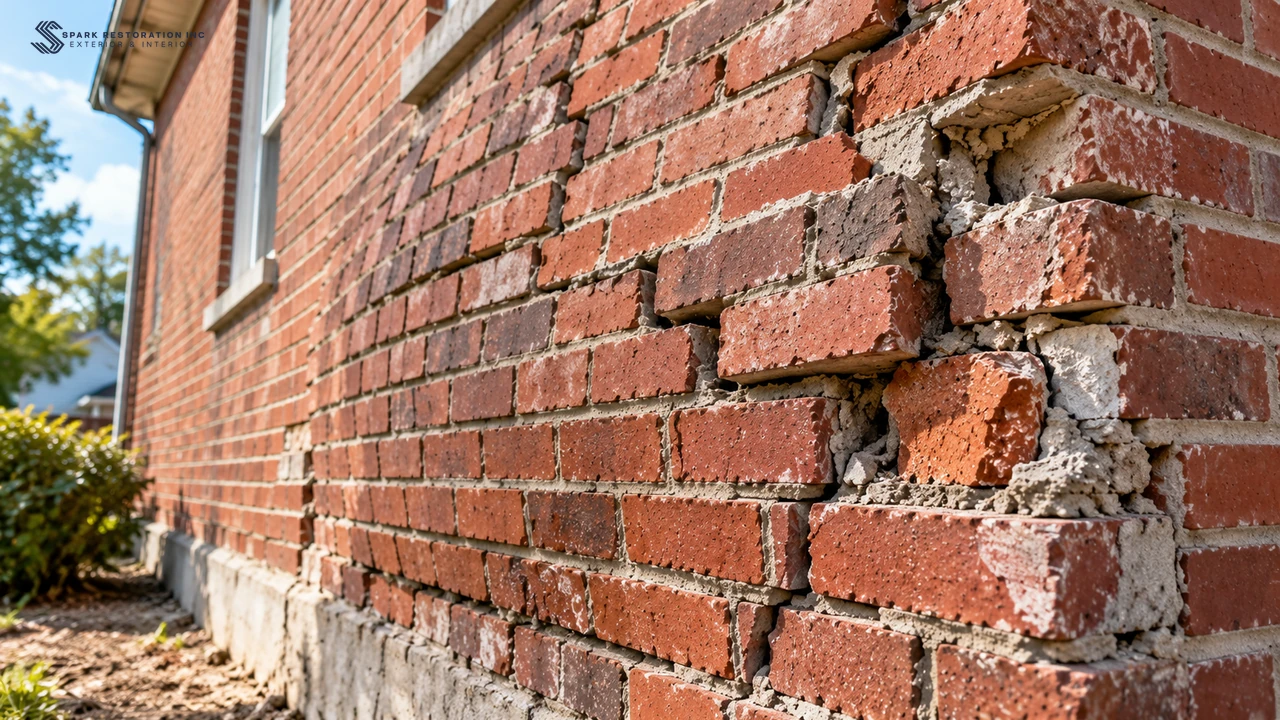
Next, look closely at the bricks. Spalling, where the face flakes or peels away, and cracks that run through the unit itself, rather than along the joint, show that the brick has lost strength. A few damaged bricks can sometimes be replaced individually, but widespread spalling or cracking across a panel usually means that section needs to come down. Stepped cracks that climb diagonally through joints, especially cracks that are widening or returning after an earlier repair, point to movement in the wall or its support.
Finally, consider water damage behind the wall. Staining, dampness inside, failed flashing, or rot and corrosion in the backing can all mean the problem is not visible at the surface. If water has been entering for a long time, the ties and backing may no longer hold the face securely. In that case, repointing the surface would seal in a failing structure. An experienced mason will want to inspect behind the face before recommending a surface-only repair.
How a Mason Assesses the Wall
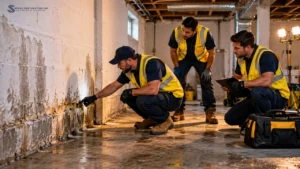
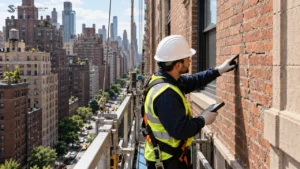
A good assessment starts with the whole wall, not just the worst crack. The mason checks whether the wall is plumb and straight, looks for bulges, steps, and patterns of cracking, and notes where water stains or dampness appear. That overview helps separate a local mortar problem from a wider structural issue, and it sets the scope of any repair.
The mason then tests the mortar itself. Sounding the joints, by tapping and probing, shows how deep the deterioration goes and whether the remaining mortar still bonds the bricks. Shallow surface wear points toward repointing; deep, crumbly joints across a large area, especially where bricks are also loose, point toward a bigger job. Brick condition is assessed at the same time: the mason checks for spalling, cracking through the unit, soft or powdery faces, and bricks that have lost their bond.
Moisture is the third part of the check. The mason looks for the source of water, whether it comes from above, from failed flashing or coping, from ground level, or from inside the building. If moisture is still entering, any repair will fail early unless that source is addressed. For local help with that kind of assessment, masonry contractors in White Plains, NY can inspect the wall in person and explain whether repointing or rebuilding fits what they find.
What Each Job Involves Day to Day
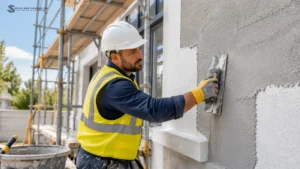
Repointing is usually a contained, methodical job. The crew protects nearby surfaces, grinds or rakes out the failed mortar, and works section by section so the wall is never left open over a large area. New mortar is mixed, packed into the joints, and tooled to a matching profile. The work is dusty and noisy during grinding, but the wall stays largely intact throughout, and the change is visible as each section is finished.
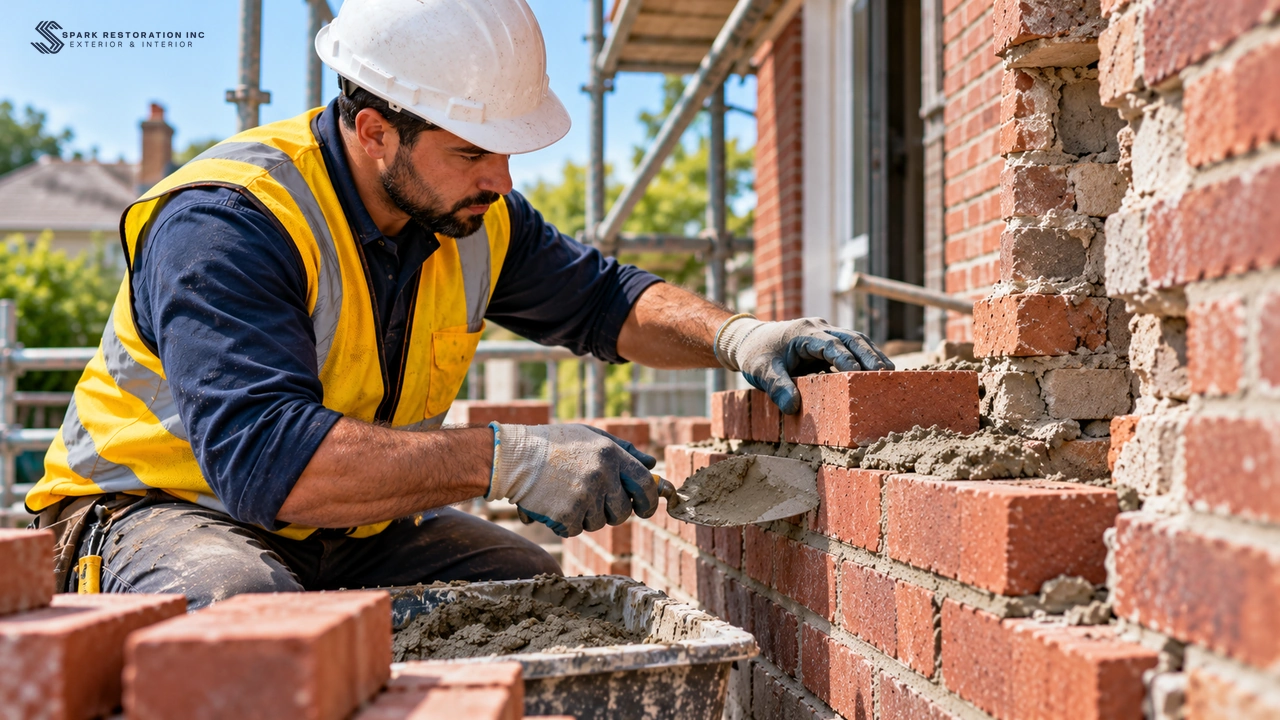
Rebuilding is more disruptive by nature. The crew sets up protection and support, carefully takes down the failed section, and sorts or disposes of the old bricks. New bricks are laid in courses, tied into the existing wall, and aligned with the surrounding work. Flashing and drainage details are corrected as the wall goes back up. The site needs more space for materials and access, and the finished section will need time to cure before it is washed or sealed.
Cost Factors for Each
Cost is best compared by factors, not by a single figure, because no two walls are alike. For repointing, the main factors are the area of joints to be renewed, how deep the mortar must be removed, access and height, and how closely the new mortar must match the old in color and texture. Difficult access, such as a high chimney or a parapet, adds time and equipment, while straightforward ground-level work is simpler to carry out.
For rebuilding, the factors are larger. They include the size of the section to be taken down and rebuilt, the number and type of replacement bricks, structural support and protection during the work, and any correction to flashing, ties, or drainage found once the wall is open. Disposal of failed brickwork and the time needed for careful tying-in also matter. If you want a sense of how repointing is priced in more detail, see the guide to brick repointing cost per square foot. A written scope that states exactly which sections are included, and whether the work is repointing or rebuilding, is the best basis for comparing any two proposals.
What Happens If You Repoint a Wall That Needs Rebuilding
Repointing a wall that needs rebuilding can look successful for a short while. Fresh joints hide the cracks and give the facade a tidy appearance. Underneath, however, the real problem remains: bricks that are failing, ties that no longer hold, or a wall that is still moving. The new mortar may crack again as the wall shifts, water may keep entering behind the face, and the section may become less stable over time.
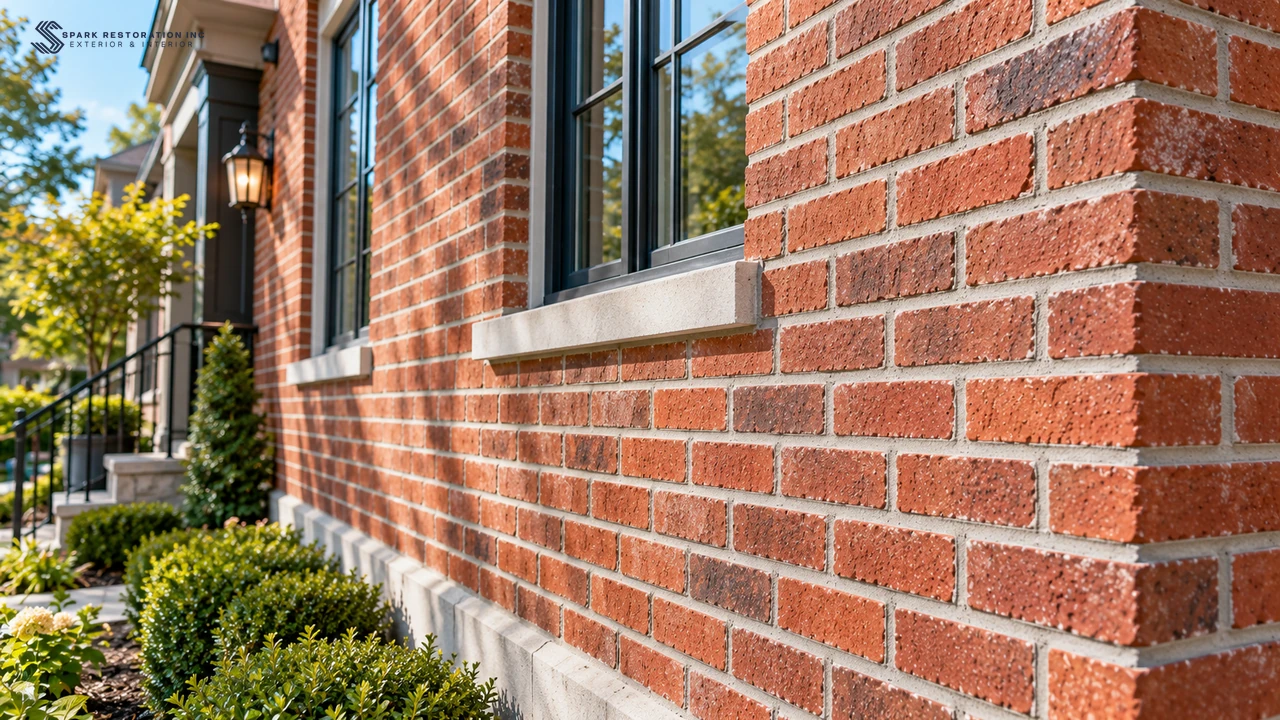
The delay can also make the eventual rebuild larger. Water trapped behind fresh joints can worsen damage to the backing, and a bulge that is ignored can grow until a bigger section has to come down. That is why a mason who recommends rebuilding after finding movement or failed bricks is not upselling a larger job; the recommendation follows from what the wall itself is showing. If you are unsure, ask for the findings in writing: which bricks are failing, whether the wall is out of line, and what moisture was found behind the face.
Frequently Asked Questions
How do I tell whether my brick wall needs repointing or rebuilding?
Repointing is usually enough when the bricks are firm, the wall is straight, and the damage is mainly worn or missing mortar. Rebuilding is more likely when bricks are spalled or cracked through the unit, the wall bulges or leans, stepped cracks are widening, or water has damaged the structure behind the face. An on-site assessment of mortar depth, brick condition, and moisture gives a clearer answer than appearance alone.
Can repointing fix a bulging or bowed brick wall?
No. A bulging wall has moved, and fresh mortar cannot realign it or restore failed ties and backing. The bulging section should be inspected promptly and usually taken down and rebuilt, with the underlying problem corrected.
How long does repointing last compared with rebuilding?
Repointing can serve well for a long period when the bricks are sound, the mortar is compatible, and water is kept out. Its life depends on exposure, mortar quality, and maintenance. Rebuilding resets the affected section with new brickwork, addressing failed units and structural problems that repointing cannot. The better long-term choice is the one that matches the actual condition of the wall.
Can I repoint only part of a wall, or does the whole wall need work?
Part of a wall can often be repointed, provided it covers a logical section and the surrounding joints are sound. Repointing only isolated joints can leave weak points where water can still enter, so a mason should explain the boundary of the work and whether a full elevation or panel would be more durable.
What should I do first if I see cracks or loose mortar?
Do not ignore it, and avoid pulling loose bricks or filling wide cracks with unsuitable material. Note where the damage is, whether the wall is straight, and whether there is dampness or staining. Then arrange an inspection and ask for a written scope that distinguishes repointing from rebuilding. To take that first step, contact us for a free estimate.