When a roof starts to leak or look worn, most owners in New York City and Westchester ask the same question: is this a roof repair vs replacement decision, and how do you know which one is right? The short answer is reassuringly simple. A repair is right when the damage is localised and the roof still has service life left, while replacement is right when the damage is widespread, the roof is at the end of its life, or repairs keep recurring.
That distinction matters because the wrong choice can waste time and cause disruption, even when the work itself is done well. A well-targeted repair can give a sound roof many more useful years. A replacement resets the whole system when patching one spot after another no longer makes sense. This guide walks through the signs, the roof types, the inspection, the cost factors and a simple checklist, so you can have a clearer conversation with any contractor and avoid rushing a decision after a storm or a first leak.
Signs a Repair Is Enough
A repair is usually enough when the problem is contained, the surrounding roof is in good condition, and the underlying structure is sound. In practice, that often looks like one leak rather than leaks in several rooms, or damage that can be traced to a single detail rather than failure across the whole surface.
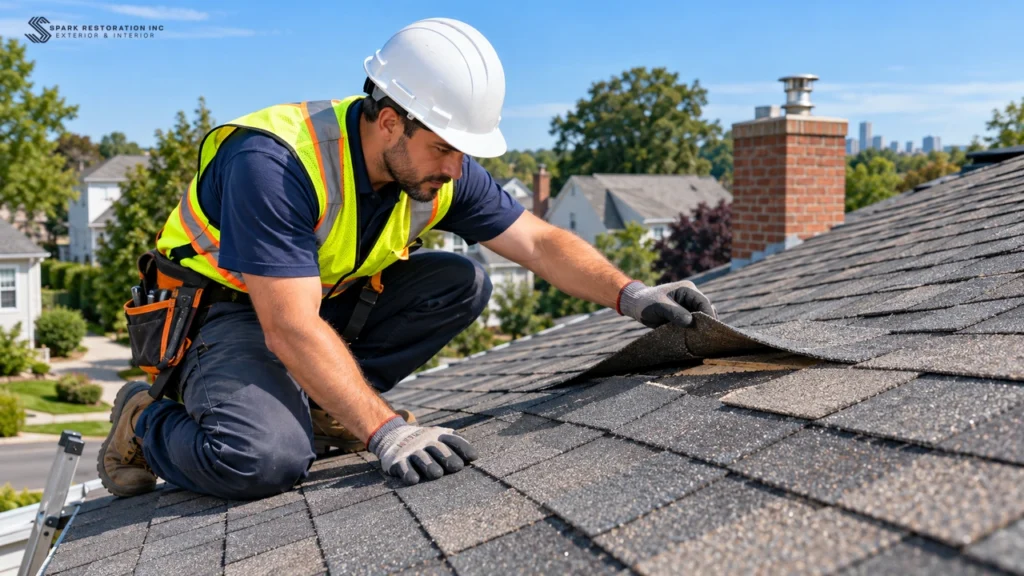
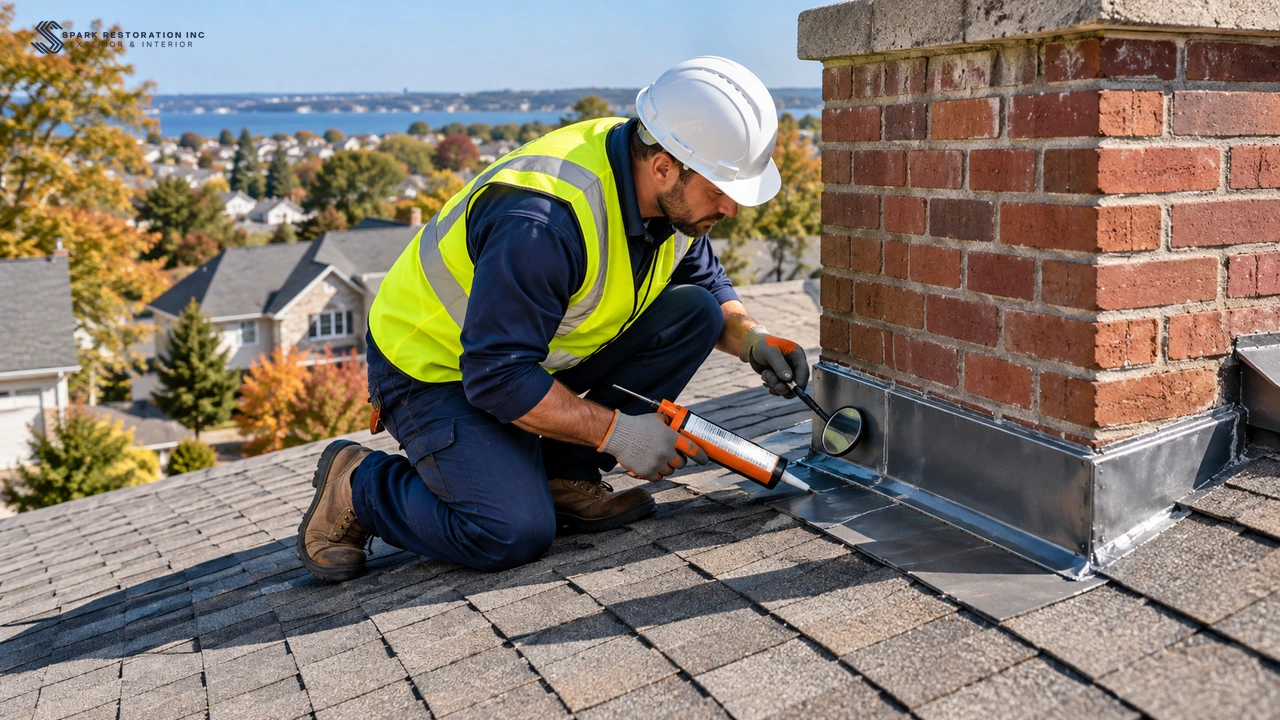
For owners weighing roof repair vs replacement, these are the classic repair cases. A single leak that appears in one place, especially after wind or heavy rain, may point to a failed flashing, a cracked seal around a vent, or a small area of lifted shingles. A few damaged shingles or a short run of flashing can commonly be replaced without disturbing the rest of the roof. On a flat roof, a localised blister, a lifted seam or a small split in the membrane can also commonly be repaired, provided the deck beneath is dry and the surrounding membrane is still flexible and well bonded.
Repair also makes sense when the roof is otherwise performing well. If drainage is working, the surface looks even, there is no sagging, and previous repairs have held, a targeted fix is often the proportionate response. The key test is whether the repair addresses the cause, not just the stain on the ceiling. Water can travel along a deck or behind a wall before it shows inside, so a good repair starts by finding the entry point, even when that entry point is some distance from the visible damage.
Signs Replacement Is the Better Call
Replacement becomes the better call when the roof as a system is failing, rather than a single detail. Age is one part of that picture, described here only in general terms. When a roof is near the end of its expected service life, materials commonly become brittle, granular, cracked or less able to shed water, and repairs tend to buy shorter and shorter periods of relief.
Leaks in several places are another strong signal. One leak can be a detail. Leaks in different rooms, on different slopes or at different penetrations usually suggest that the waterproofing layer itself is breaking down across a wide area. The same logic applies to repeated repairs. If the same roof needs attention again and again, if a patch holds for a short time and then a new leak appears nearby, or if you are repairing the same seam, flashing or slope more than once, the underlying system may no longer be reliable.
Structural signs should never be ignored. Sagging between supports, a soft or spongy feeling underfoot, visible rot in the deck, or widespread staining and damp in the roof structure all point beyond a surface repair. In those cases, replacing only the top layer would hide a deeper problem. A replacement allows the deck to be inspected, repaired or replaced, and the new system to be installed on a sound base.
How Roof Type Changes the Decision
The roof repair vs replacement question does not have one answer for every building, because New York City and Westchester roofs are very different. Flat roofs on apartment buildings in the city behave differently from pitched roofs on houses in Westchester, and the materials used on each change what a repair can achieve.
Flat roofs are common on apartment buildings, brownstones and walk-ups. They rely on a continuous membrane, careful detailing at parapets, drains and penetrations, and a slope, however slight, that moves water away. When a flat roof fails, the problem is often at a seam, a drain, a parapet junction or an area where water has ponded. A localised seam repair or blister repair can work well on a flat roof that is otherwise sound. But if seams are failing in many places, if ponding is widespread, or if the membrane has become brittle across the field, a patch will not restore the continuous waterproof layer, and replacement or a full new system is more likely to be recommended.
Pitched roofs on Westchester homes, by contrast, shed water by gravity. Asphalt shingles, in general terms, are laid in overlapping courses so that water runs down and off the roof. A few damaged, missing or lifted shingles can typically be replaced individually, and flashing at valleys, chimneys and walls can commonly be renewed without replacing the whole slope. Replacement becomes more likely when shingles are failing across multiple slopes, when the underlayment or deck is damaged, or when ventilation problems have shortened the life of the whole system. Modified bitumen and TPO, used on flat and low-slope roofs, are installed and repaired in different ways, so any repair must be compatible with the existing membrane.

What an Inspection Looks For
A useful inspection does more than look for a stain. It should walk the whole roof, not just the area above the leak, and it should check the details where roofs most commonly fail. That whole-roof view is what separates a lasting repair from a quick patch.
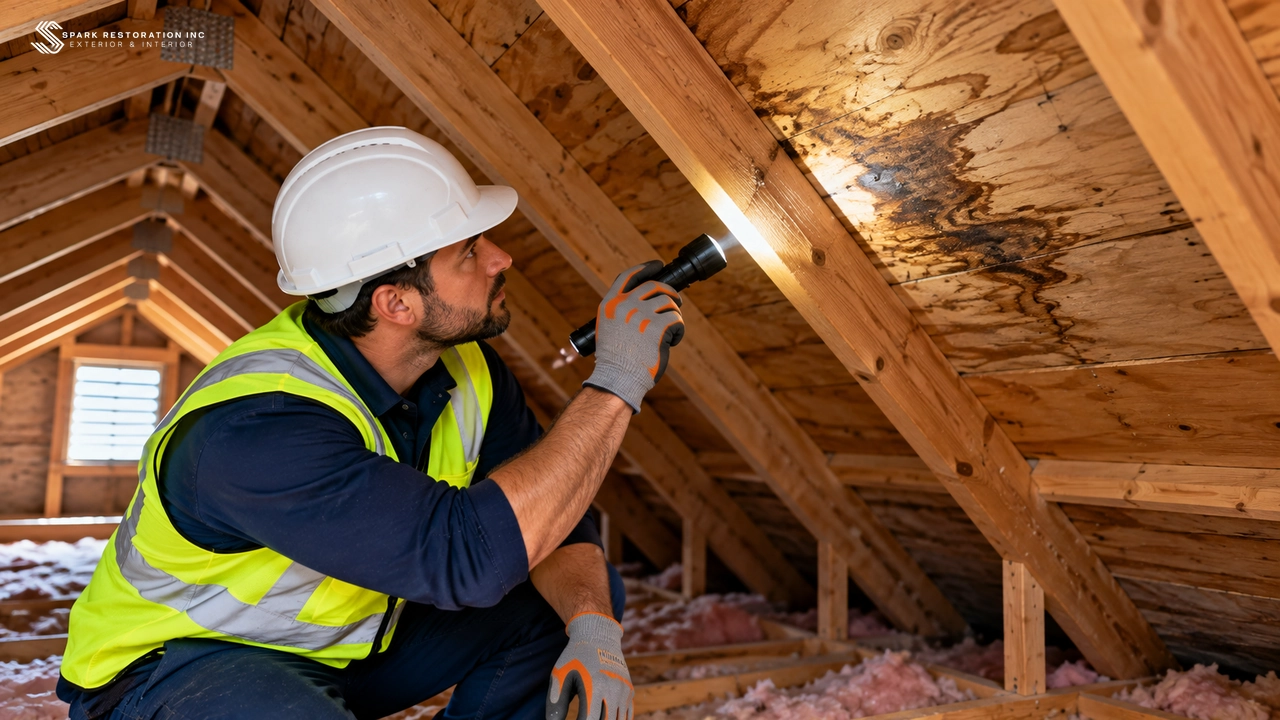
First, the inspector looks at the deck condition: sagging, soft spots, rot, staining and any sign that moisture has reached the structure. On a flat roof, this may involve checking around drains and low points. On a pitched roof, it may involve looking in the attic, where damp insulation or stained timbers can reveal a problem that is not obvious from outside. Second, flashing is checked at chimneys, walls, parapets, skylights, vents and valleys. When flashing lifts, cracks, rusts or loses its seal, water can enter even when the main field of the roof looks sound.
Third, drainage and ponding are examined on flat roofs, and ventilation on pitched roofs. Standing water, blocked drains and low spots that never fully dry put extra strain on seams and membranes. Poor ventilation can trap heat and moisture in the attic, which commonly contributes to shingle deterioration and condensation. Finally, the inspector assesses the surface as a whole: wear, seams, previous repairs, and whether problems are isolated or widespread. A pattern across the whole roof points toward replacement, while a single fault points toward repair. For a fuller picture of how leaks are traced, see our guide to roof leak repair in NYC, which explains why the entry point is rarely directly above the stain.
What Affects the Cost: Factors Only
Owners naturally want to know what a repair or a replacement will cost, and the honest answer is that it depends on the building and the scope. No figures are given here, because a meaningful comparison depends on factors that vary from roof to roof. Understanding those factors helps you read any proposal more clearly and compare like with like.
Size is the most obvious factor. A larger roof area requires more material and more labour. Pitch and access also matter: a steep roof, a roof that is difficult to reach, or a city roof needing protection for neighbours and passers-by can all affect how work is planned. Material choice is another major factor, and a repair must use materials compatible with what is already there. Tear-off adds scope to a replacement, as does deck repair if sections are rotted, soft or damaged. Permits are a further factor: some repairs may not require one, while a full replacement commonly involves permits, approvals and, for co-ops and condos, board review.
When you compare proposals, check that each one describes the same scope: area, material, tear-off, deck repairs, and permits or approvals covered. That comparison is more useful than any single headline figure, because two proposals can look similar while covering very different work. For an overview of the services involved, see our roof repair and installation page.
Repair vs Replacement Decision Checklist
Use this checklist as a starting point, not as a substitute for an inspection. The more items that point in one direction, the clearer the decision usually becomes.
- One place or several? One place favours repair; several favour replacement.
- Within service life or near its end? Remaining life favours repair; end of life favours replacement.
- Deck sound or sagging, soft or rotten? A sound deck favours repair; a damaged deck points to replacement.
- Have repairs held or leaks returned? Repairs that hold favour repair; recurring leaks favour replacement.
- One detail or the whole surface? A single detail favours repair; widespread failure favours replacement.
- Drainage and ventilation working? Working systems support repair; chronic ponding or poor ventilation may need a broader solution.
- Compatible repair materials available? Compatibility supports repair; a brittle, worn surface may not.
- Would repair restore watertightness, or only delay? A lasting repair is worth doing; a very short delay may not be.
If most answers point to repair, a targeted fix is usually the right next step, with a plan to monitor the roof afterwards. If most point to replacement, get a detailed proposal for a new system, including deck work, drainage or ventilation improvements, and permits.
When a Leak Is an Emergency
Not every leak needs an emergency call, but some situations should not wait. A leak is more urgent when water is coming in actively during rain, when a ceiling is sagging or bulging, when water is near electrical fittings, when a large area is affected, or when the leak is getting worse quickly. In those cases, protect people first, move belongings away from the water, and seek help promptly rather than waiting for the next dry day.
For a smaller, slow leak, place a container to catch drips, note where and when it appears, and avoid going onto the roof yourself in wet, icy or windy conditions. Painting over a stain does not stop a roof leak. If you are unsure whether your leak is an emergency, or you need help deciding between repair and replacement in New York City or Westchester, contact us to discuss the problem and arrange an inspection.
Frequently Asked Questions
How do I know if my roof needs repair or replacement?
Start with the pattern. A single, localised fault on an otherwise sound roof commonly points to repair, while widespread damage, leaks in several places, a damaged deck or repeated repairs commonly point to replacement. An inspection of the deck, flashing, drainage and ventilation gives a clearer answer than the ceiling stain alone.
Can a roof be repaired more than once, or does a second leak mean replacement?
A roof can commonly be repaired more than once, especially when each repair addresses a different, localised fault and previous repairs have held. A second leak does not automatically mean replacement, but recurring repairs in the same area, or new leaks nearby, make replacement more likely.
Is a flat roof more likely to need replacement than a pitched roof?
Not necessarily. Flat roofs on NYC apartment buildings and pitched roofs on Westchester homes fail differently, but both can often be repaired when damage is localised. Flat roofs are more sensitive to ponding and seam failure, while pitched roofs are more sensitive to shingle and ventilation problems.
What should a roof inspection check before I decide?
It should check the deck for sagging, softness or rot, flashing at chimneys, walls, parapets and penetrations, drainage and ponding on flat roofs, and ventilation on pitched roofs, plus the general condition of the membrane or shingles and whether problems are isolated or widespread.
What should I do first if my roof is leaking right now?
Protect people and belongings first, catch drips safely, and note where and when water appears. Avoid going onto a wet or icy roof yourself. If water is active, a ceiling is sagging, or water is near electrics, seek help promptly, and do not rely on repainting the ceiling.