Your Local Law 11 Cycle 10 deadline depends on the last digit of your building’s tax block number. That single digit places your building in Sub-Cycle 10A, 10B, or 10C, and each sub-cycle has its own filing window. If you own or manage a building in New York City that is taller than six stories, knowing that digit is the fastest way to know how much time you have.
Sub-Cycle 10A buildings face the first deadline: February 21, 2027. Buildings in Sub-Cycle 10B have until February 21, 2028, and buildings in Sub-Cycle 10C have until February 21, 2029. The windows below explain exactly which block-number endings belong in each group, how to check your building, and what to do if a deadline is approaching or has already passed.
This guide focuses on the filing timetable. It does not replace advice from your Qualified Exterior Wall Inspector (QEWI) or the New York City Department of Buildings (DOB). For background on the programme as a whole, see Spark Restoration Inc’s Local Law 11 guide.
Cycle 10 at a Glance
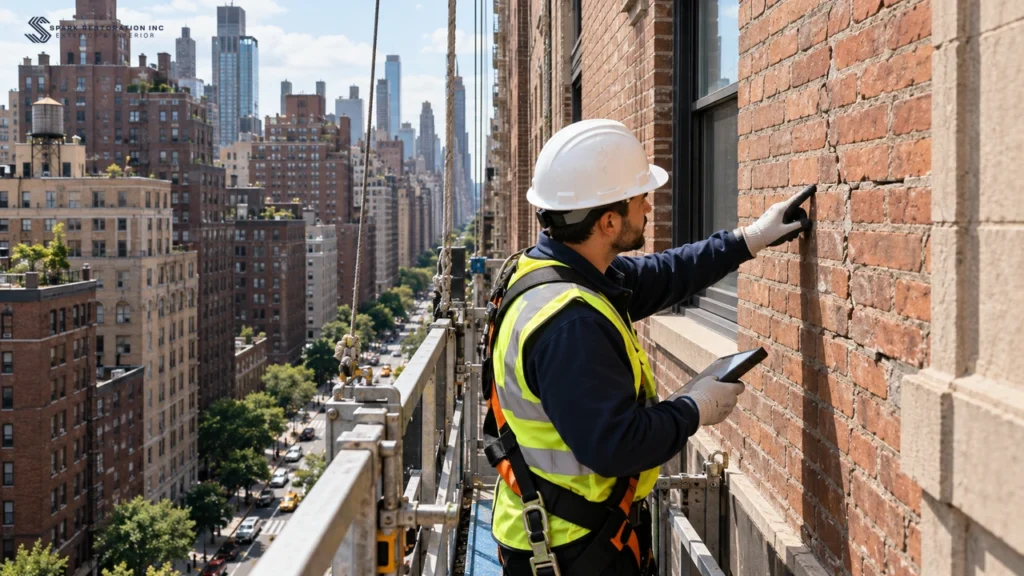
Local Law 11, now known as the Facade Inspection and Safety Program (FISP), applies to buildings taller than six stories in New York City. The programme exists to protect people on the street and in neighbouring buildings from falling facade material. Because exterior walls, balconies, parapets, and other appurtenances deteriorate over time, the law requires regular, close-up inspection rather than a visual check from the ground.
Inspections are required every five years and must be carried out by a Qualified Exterior Wall Inspector (QEWI). The QEWI inspects the exterior walls and appurtenances, assesses their condition, and files a report stating whether the building is Safe, Safe With a Repair and Maintenance Program (SWARMP), or Unsafe. Cycle 10 runs from February 21, 2025 to February 20, 2030, and reports are filed through DOB NOW: Safety, the DOB’s online filing system.
A Safe finding means no conditions requiring repair were identified at the time of inspection. A SWARMP finding means the building is safe, but repair and maintenance work is required within the programme set out in the report. An Unsafe finding means conditions exist that require prompt protective measures and repair. Understanding which finding applies matters because it shapes the work, the timetable, and the follow-up filings that follow the inspection.
Cycle 10 is staggered into three sub-cycles so that inspections and filings are spread across the five-year cycle rather than falling due on a single date. That means there is no single Cycle 10 deadline. Your deadline is the end of your building’s own filing window, and the inspection and report must be completed within that window.
The Three Filing Windows
Your sub-cycle is determined solely by the last digit of your building’s tax block number. Find that digit, match it to the list below, and you have your window. Do not use the building’s street address, lot number, or year of construction to work out the sub-cycle; the block number is the controlling figure.

- Sub-Cycle 10A: block numbers ending in 4, 5, 6, or 9. Filing window: February 21, 2025 to February 21, 2027. These buildings face the first Cycle 10 deadline.
- Sub-Cycle 10B: block numbers ending in 0, 7, or 8. Filing window: February 21, 2026 to February 21, 2028.
- Sub-Cycle 10C: block numbers ending in 1, 2, or 3. Filing window: February 21, 2027 to February 21, 2029.
For example, a building on a block number ending in 5 is in Sub-Cycle 10A and must file by February 21, 2027. A building on a block number ending in 0 is in Sub-Cycle 10B and must file by February 21, 2028. A building on a block number ending in 2 is in Sub-Cycle 10C and must file by February 21, 2029.
Note that the filing window is a period in which the inspection must be completed and the report filed, not merely a period in which to start looking for an inspector. Inspectors book up as deadlines approach, and a report may need follow-up information before it can be filed. Owners in Sub-Cycle 10A should already be well advanced in their planning, and owners in later sub-cycles should use the extra time to plan properly rather than treating it as time to wait.
How to Find Your Building’s Sub-Cycle
Start with the building’s tax block number. You can look it up through the DOB property profile or the NYC property information portal by searching for the property address. The property record will show the borough, block, and lot information for the building. The block number is the figure you need; the last digit of that number determines the sub-cycle.
Once you have the block number, write it down with the matching sub-cycle and deadline, and keep it with the building’s compliance records. For a block number ending in 4, 5, 6, or 9, the building is in Sub-Cycle 10A. For a block number ending in 0, 7, or 8, it is in Sub-Cycle 10B. For a block number ending in 1, 2, or 3, it is in Sub-Cycle 10C.
Then confirm the status and window with your QEWI. The QEWI can verify the building’s filing history, confirm whether a report is already on file, and advise whether any earlier filing issue needs attention first. This confirmation step is especially important for buildings that have changed hands and buildings where a previous filing was incomplete.

What Happens If You Miss Your Deadline
Missing a filing deadline can be costly. The DOB’s published penalty figures are $1,000 per month for late filing and $5,000 per year for failure to file. Those figures are stated here as the DOB’s published penalty figures, and owners should confirm the current position with their QEWI or the DOB, because penalties can continue to accrue while a filing remains outstanding.
The financial penalty is only part of the consequence. An Unsafe finding brings its own obligations. Unsafe conditions require protective measures to protect the public, and dangerous conditions must be corrected within 90 days of filing. An amended report must then be filed within two weeks after the repairs are completed. An Unsafe finding does not end with the inspection; it starts a repair and reporting timetable that must be followed closely.
A SWARMP finding also creates follow-up obligations, because the repair and maintenance programme in the report must be carried out as described. Owners should read the filed report carefully and agree a practical sequence for the work with their inspector and contractor. Leaving SWARMP items until the next cycle risks those conditions worsening and becoming Unsafe.
Missed Cycle 9? The Early-Filing Relief
There is a specific relief for some buildings that missed Cycle 9. Buildings with a “No Report Filed” status from Cycle 9 that can certify Safe or SWARMP may file an initial report before their sub-cycle opens. This is done through a sub-cycle override request in DOB NOW: Safety. The purpose of the relief is to allow an outstanding building to get back into compliance promptly rather than waiting for its Cycle 10 window to open.
The benefit of filing early in this situation is direct: filing an initial report can stop further late penalties from accumulating. For a building that has been accruing penalties month by month, that can be a significant saving, quite apart from the benefit of having a current inspection on record.
Unsafe buildings do not qualify for this early-filing relief. If a building cannot certify Safe or SWARMP because it has unsafe conditions, the early-filing route is not available, and the unsafe conditions must be addressed through the proper process with a QEWI.
If you think your building may be in this category, ask your QEWI to check the Cycle 9 status first. The QEWI can confirm whether the building shows as “No Report Filed,” whether a Safe or SWARMP certification is possible, and how to make the sub-cycle override request in DOB NOW: Safety.
What Building Owners Should Do Now
The most practical step is to engage a QEWI early. Inspectors book up near deadlines, and a building that waits until the final months of its window may struggle to secure an inspection slot, arrange access, and complete any follow-up work in time. Early engagement also gives the owner time to understand the inspection scope and plan around tenants and building operations.
Next, understand the Safe, SWARMP, and Unsafe findings before the report arrives, so the result is not a surprise. A Safe result means the cycle is complete for that building, subject to the next cycle. A SWARMP result means a defined programme of repair and maintenance work must be planned and carried out. An Unsafe result means protective measures and repairs must be prioritised.
Then plan and budget the repair work the inspection identifies. Facade work often involves masonry, waterproofing, metalwork, and parapet elements, and the scope can only be priced properly once the inspection findings are known. Owners should allow for access costs, sequencing, and any protective measures that may be needed while work is under way.
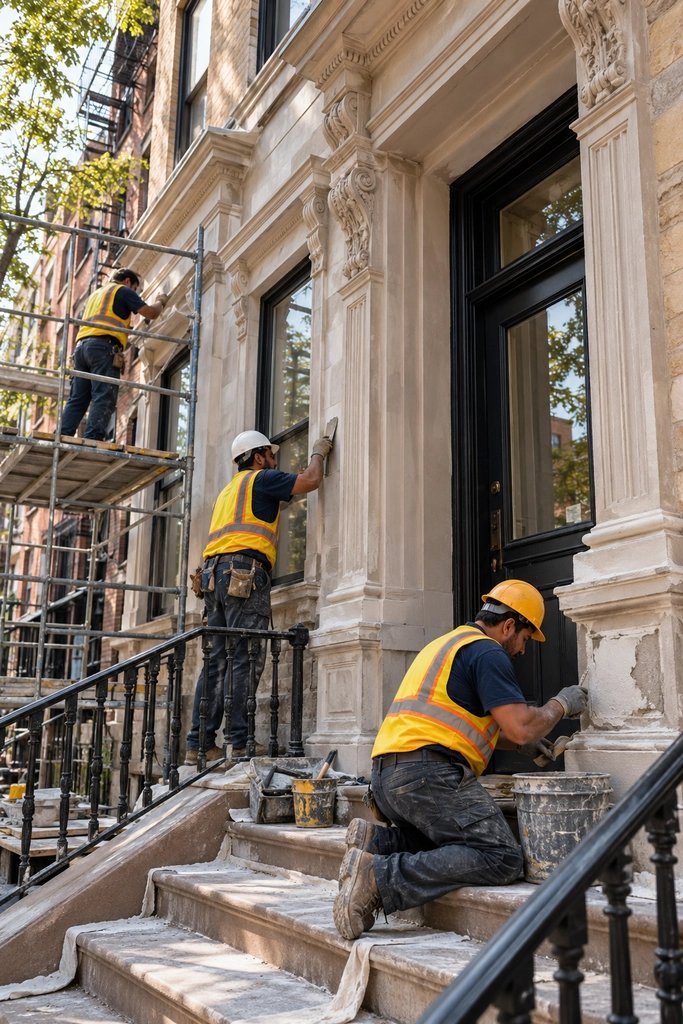
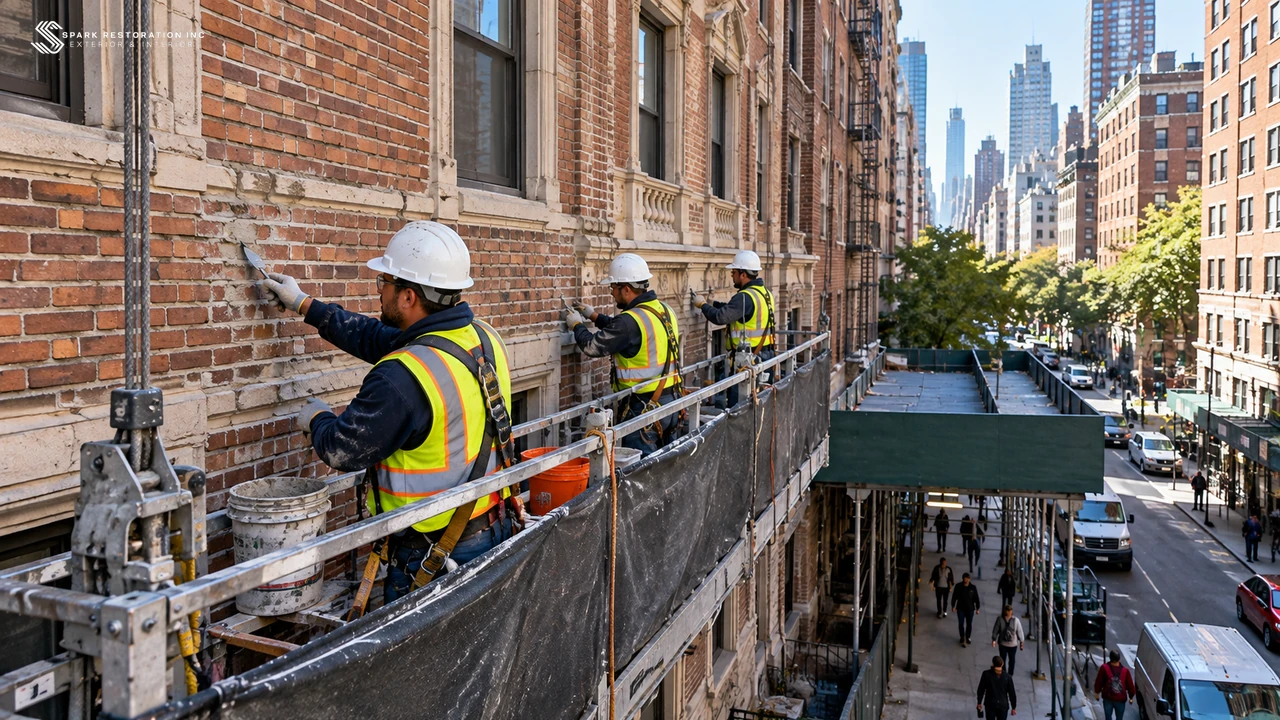
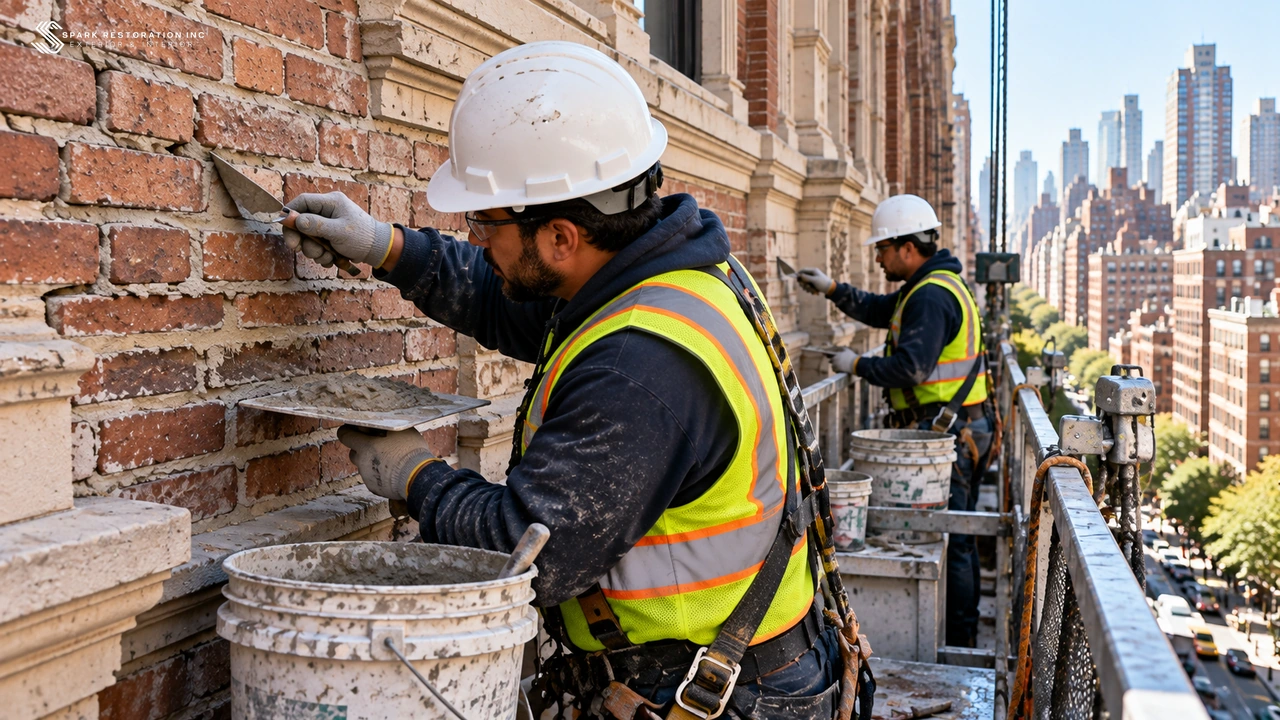
It is also important to be clear about who does what. Spark Restoration Inc performs the facade restoration work that follows an inspection, including work to masonry, stone, and related facade elements, and parapet wall repair and installation where parapet work forms part of the facade scope. Inspections and filings themselves are done by the QEWI, not by Spark Restoration Inc.
Your Cycle 10 deadline is determined by a single digit, but meeting it takes planning. Check your block number, confirm your sub-cycle and window with your QEWI, engage that inspector early, and plan the repair work that follows. If facade repair work is needed after your inspection, request a free estimate through the contact page and discuss the scope with the Spark Restoration Inc team.
Frequently Asked Questions
When is my building’s Local Law 11 Cycle 10 deadline?
Your deadline depends on the last digit of your building’s tax block number. Sub-Cycle 10A ends February 21, 2027, Sub-Cycle 10B ends February 21, 2028, and Sub-Cycle 10C ends February 21, 2029. Check your block number, then confirm your window with your QEWI.
How do I find my building’s block number and sub-cycle?
Look up your property in the DOB property profile or the NYC property information portal, find the tax block number, and use its last digit to identify your sub-cycle. If anything is unclear, ask your QEWI to confirm the building’s status and filing window.
What are the penalties for filing late or not filing?
The DOB’s published penalty figures are $1,000 per month for late filing and $5,000 per year for failure to file. Unsafe conditions also require protective measures, with dangerous conditions corrected within 90 days of filing and an amended report filed within two weeks after repairs.
Can I file early if I missed Cycle 9?
Possibly, if your building has a ‘No Report Filed’ status from Cycle 9 and can certify Safe or SWARMP. In that case, an initial report may be filed before your sub-cycle opens through a sub-cycle override request in DOB NOW: Safety. Unsafe buildings do not qualify.
Who is allowed to inspect and file the FISP report?
Only a Qualified Exterior Wall Inspector (QEWI) may inspect the exterior walls and file the FISP report. Spark Restoration Inc does not inspect buildings or file FISP reports; it performs the facade repair and restoration work that follows an inspection.