
Façade Repair & Restoration Services Contractors In New York
The façade is a building’s primary defense against moisture, temperature changes, and environmental stress. Over time, deterioration can compromise both structural integrity and safety. At Spark Restoration INC, we provide façade repair & restoration services in New York focused on restoring building envelopes, reinforcing structural components, and ensuring long-term durability.
Our team combines technical expertise with precise repair methods to address cracks, material degradation, and water intrusion issues. From localized repairs to full façade restoration, we deliver solutions that improve performance, maintain compliance, and extend the lifespan of residential and commercial properties across NYC.
Request a Quote
About Our Façade Repair & Restoration Services
Our process begins with a detailed façade inspection, including identifying cracks, spalling, water infiltration points, and structural movement. This evaluation allows us to determine the extent of damage and develop a targeted restoration strategy.
Material selection is based on compatibility with the existing façade system. We use high-performance mortars, sealants, and coating systems designed to withstand environmental exposure and maintain long-term adhesion.
Execution involves surface preparation, structural repairs, joint sealing, and protective finishing. Each phase is carried out with strict quality control to ensure proper bonding, alignment, and weather resistance.
We serve residential buildings, commercial properties, and multi-unit structures, adapting our restoration approach to meet structural requirements, safety standards, and NYC regulations.
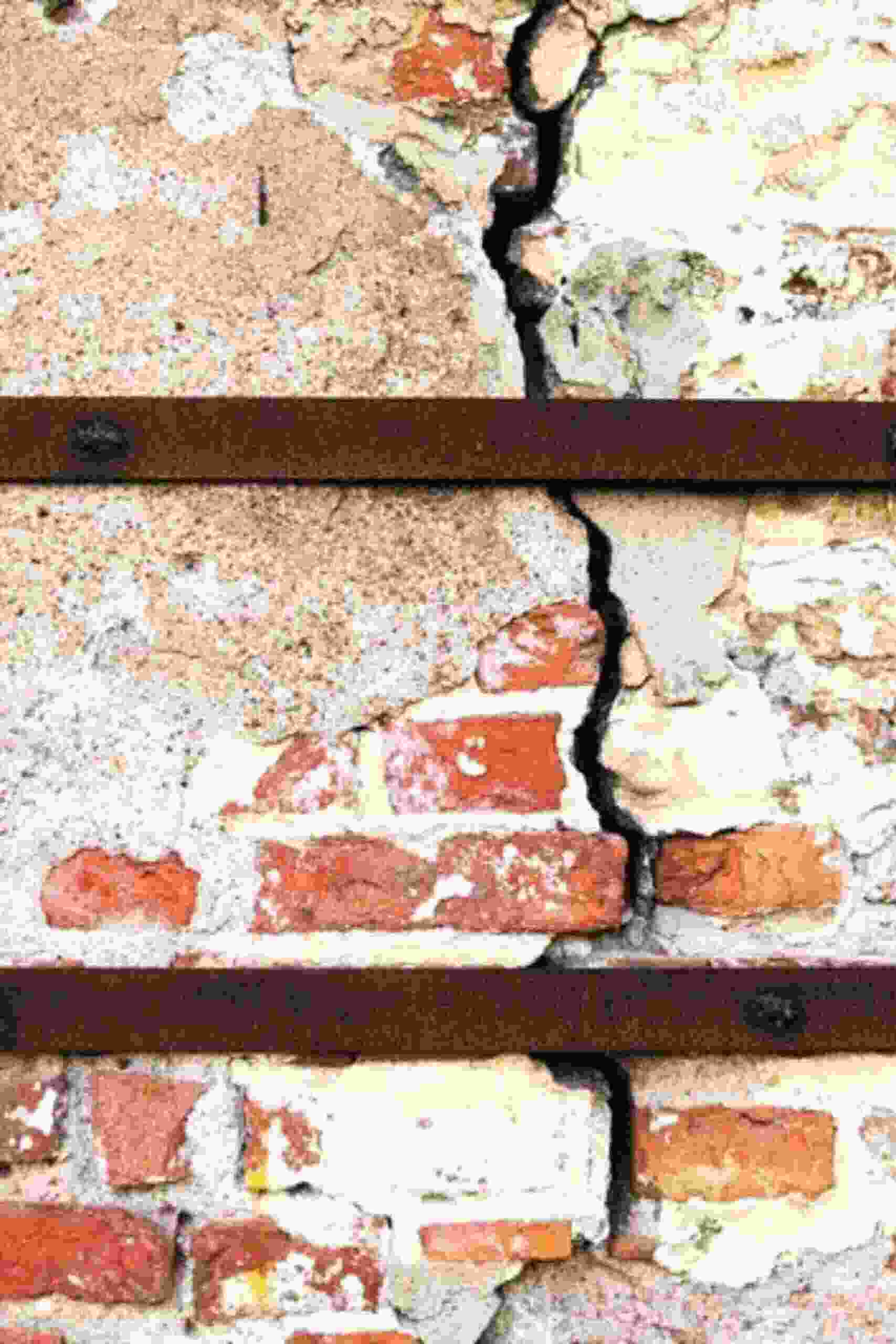
What Is Façade Repair & Restoration?
Façade repair & restoration involves repairing, reinforcing, and upgrading the exterior envelope of a building to maintain structural stability and protect against environmental damage. It focuses on both corrective and preventative measures.
The process includes repairing cracks, replacing damaged materials, sealing joints, and applying protective coatings. These steps ensure that the façade remains structurally sound and resistant to moisture and weather exposure.
Property owners invest in façade restoration to prevent deterioration, maintain safety, and comply with local regulations. When executed professionally, it improves building performance, reduces long-term maintenance, and preserves property value.
Our Services
Spark Restoration Inc. delivers expert property restoration, repair, and remodeling services across New York, trusted for reliable concrete installation, sidewalk repair, exterior renovation, and full building restoration. Our certified team handles concrete work, curb repair, masonry services, flooring installation, deck construction, stucco restoration, and complete residential and commercial renovations. Whether you need structural repairs or exterior upgrades, we provide durable, high-quality results with precision and craftsmanship.
Brick & Masonry Repair
Repairing damaged masonry surfaces, including cracked bricks and deteriorated mortar, to restore structural strength and appearance.
Repointing & Mortar Joint Restoration
Replacing deteriorated mortar joints to improve structural stability and prevent water infiltration.
Crack Repair & Structural Stabilization
Addressing façade cracks and reinforcing affected areas to prevent further structural movement and damage.
Waterproofing & Sealant Application
Applying protective coatings and sealants to prevent moisture penetration and improve weather resistance.
Facade Cleaning & Surface Preparation
Removing contaminants and preparing surfaces to ensure proper adhesion of repair materials and coatings.
Commercial & Multi-Unit Façade Restoration
Large-scale façade repair projects with coordinated execution, ensuring safety, compliance, and consistent results across properties.
Searching For Façade Repair & Restoration Contractors Near Me?
If you’re searching for façade repair & restoration contractors near me in New York, it’s critical to work with professionals who understand building envelope systems and NYC compliance requirements. Improper repairs can lead to serious structural issues.
Our evaluation process includes detailed façade inspections, identifying structural concerns, and selecting materials that ensure long-term durability and performance. This approach prevents recurring damage and maintains building safety.
We also consider environmental factors such as moisture exposure, freeze-thaw cycles, and urban conditions. By integrating these into our restoration strategy, we deliver façade solutions that protect structures and maintain performance over time.
Reviews
Customers consistently praise Spark Restoration Inc. for reliable service, skilled workmanship, and durable results across exterior repair, renovation, masonry services, and full property restoration. Homeowners and commercial clients value the team’s professionalism, clear communication, and high-quality finishes.
 Posted on Google
 Marwan E
Trustindex verifies that the original source of the review is Google.
Spark Restoration delivered my projects in a timely and budget friendly fashion. We had a tight schedule and small budget for the repairs that needed to get done on a few buildings; and hence, Spark's leadership provided alternative solutions that cut down costs and didn't jeopardize quality. They went above an beyond and repairs few other items that weren't part of the scope at no additional cost. Highly recommend Spark as they are our go-to contractor for all sorts of work.Posted on Google alexa ortizSpark Restoration did an excellent job repairing a long-standing water leak in my basement foundation wall. After years of failed fixes, they finally identified the real issue and stopped it for good using a professional crack injection and proper exterior waterproofing. The leak is completely gone. They were clean, reliable, and very knowledgeable. I highly recommend Spark Restoration for any foundation or basement repairs.Posted on Google
 Lionell JacksonShan and his team does amazing work! They provide a high quality of expertise and finishes. They are my go to guysPosted on Google
 Edmund YeeThe guys at Spark Restoration have gotten me out of numerous roof leak issues over the years. We recently hired them to apply a silicone roof sealant on a building's roof and so far we have been free of leaks. They really care about their customers and go above and beyond to provide the best service. Highly recommended!Posted on Google
 Ivette VillanuevaUsed their services flooring, repairs and painting. Excellent timing reliable service.Posted on Google
 Dain NishadWe recently had our wood floors refinished by Spark, and they did a fantastic job! Luis and his team were professional, efficient, and left our floors looking absolutely brand new. We couldn’t be happier with the results—highly recommend them to anyone considering refinishing their floors!Posted on Google
 Robin MyersWe recently hired SPARK RESTORATION INC for exterior masonry, repair, and painting on our commercial building, and the experience was excellent from start to finish. The team is professional, well organized, and communicative throughout every stage of the project. The project manager was consistently on site, ensuring the work moved forward smoothly and any questions were addressed right away. We’re very pleased with the results and highly recommend Spark Restoration to anyone in need of masonry repair or exterior restoration work.Posted on Google
 Angela StewartShan and his team recently sealed the foundation at our house. The water line and sewer pipe enter the house in the basement and we were experiencing leaking around both pipes. We had engaged a different company previously and their solution did not stop the leaking for more than a couple months. Shan was able to identify the mistakes that company had made and correct them. What I liked best about Shan was his responsiveness. He always answered calls and texts. He was forthcoming with pricing. His team was prompt and professional. I would definitely recommend Spark if you need foundation repairs.Posted on Google
 Shabana NazVery professionally did the repair , I had issues with my roof as it was all rusted and leakage issues , I was told by several contractors that I will need entire new roof with high cost which I wasn't able to afford at this point , I was referred by my friend to spark they gave me very reasonable price fix all the leakage that was destroying the interior , replace properly what was needed to , my house roof looks like brand new now with affordable means , I must say they know what they are doing , very friendly staff but knowledgeable , I must recommend to any one who needs to get their roof work done. Spark can create miracles .
Benefits of Façade Repair & Restoration
Façade restoration is essential for maintaining structural integrity, safety, and long-term building performance in demanding environmental conditions.
Enhanced Structural Durability
Repairing and reinforcing façade components ensures long-term stability and resistance to environmental stress and material degradation.
Improved Moisture Protection
Sealing cracks and applying protective coatings prevent water infiltration, reducing the risk of internal damage and deterioration.
Optimized Building Performance
A properly restored façade improves energy efficiency and protects the building envelope from environmental impact.
Increased Property Value & Compliance
Well-maintained façades enhance property value and ensure compliance with NYC safety regulations, reducing long-term liabilities.
Why Choose Us?
From Harlem brownstones to Westchester townhomes, our experienced team understands New York masonry inside and out.
Why locals trust Spark Restoration Inc for masonry services in NYC:
- Licensed & fully insured masonry experts
- Deep knowledge of NYC construction codes
- Skilled in historic restoration and modern builds
- Quick turnaround for masonry violation corrections
- Honest pricing and detailed project planning
We proudly serve all boroughs and nearby neighborhoods with responsive, reliable service.

How we Works.
Request a Quote
Ready to Work Together? Build a project with us!
Need any help with projects?
Have questions or need professional property restoration services? Spark Restoration Inc is here to help. Get in touch today to schedule a consultation and let us bring your property improvement project to life.
Frequently Asked Questions
How much does facade repair and restoration cost in NYC?
As a planning guide, minor repairs such as localized repointing and crack repair typically run $15–40 per square foot, moderate restoration work such as partial masonry rebuilding and lintel replacement runs $40–80 per square foot, and major restoration involving extensive rebuilding, parapet work, or stone replacement runs $80–150+ per square foot. Access method, building height, and how much hidden damage sits behind the surface move the final number, which is why every project is priced from an on-site inspection. Your written estimate breaks the work into line items so you can see exactly what drives the cost.
How long does a facade restoration project usually take?
Duration is driven by the building’s size, the repair scope, and the access method — a single elevation of repointing and localized repair is a matter of weeks, while multi-elevation restoration with parapet and masonry rebuilding runs longer and is often phased. DOB filings, permits, and any Local Law 11 deadlines also shape the schedule and are built into the plan from the start. Before work begins you receive a phased schedule showing what happens on each elevation and in what order.
What is the difference between facade repair and full facade restoration?
Repair targets specific defects — a failed section of joints, a cracked lintel, one leaking parapet — and restores those areas to sound condition. Restoration takes the whole elevation or building as the scope: masonry, mortar, waterproofing, metal components, and coatings are brought back together so the facade performs as one system. Buildings with scattered, recurring leaks or a SWARMP filing usually benefit from the restoration approach, because repairing symptoms one at a time rarely stops the water.
Will facade work satisfy my building's Local Law 11 filing requirements?
Repair and restoration work is how SWARMP and Unsafe conditions get corrected, but the filing itself must be made by a Qualified Exterior Wall Inspector based on the building’s condition. The practical sequence is inspection and report first, then the repair scope is designed around the report’s findings, and the corrected conditions are documented for the QEWI’s follow-up filing. We regularly perform the repair side of that sequence and coordinate the documentation the inspector needs.
How disruptive is facade work for tenants and the sidewalk?
The work happens on the exterior of the building, so interiors are generally unaffected beyond some daytime noise near the wall being repaired. At street level, NYC requires protection for the public — sidewalk sheds and controlled work zones are installed wherever debris or materials could reach the pavement. For co-ops, condos, and commercial buildings, we agree the protection plan, work hours, and elevation sequence with management before mobilizing.
- Jerome Park, NY
- Village of Pelham, NY
- Harlem, NY
- Eastchester, NY
- North Side, NY
- Yonkers, NY
- New Rochelle, NY
- Pelham Manor, NY
- Mamaroneck, NY
- Larchmont, NY
- Tuckahoe, NY
- Hastings-on-Hudson, NY
- Scarsdale, NY
- Bronxville, NY
- White Plains, NY
- Manhattan, NY
- Astoria NY
- Long island city NY
- Fresh meadows NY
- Flushing NY
- Bayside NY
- Queens NY
Can't find your location? Give us a call.