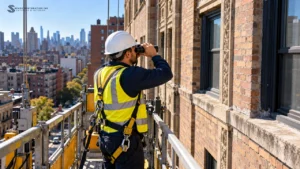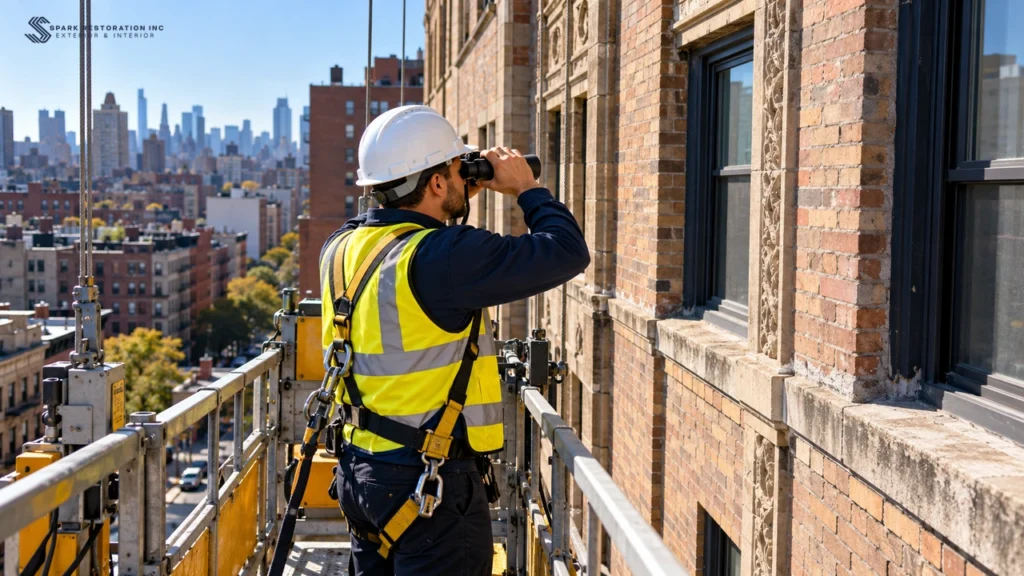
A SWARMP finding NYC building owners receive after a Local Law 11 inspection means the building is Safe With a Repair and Maintenance Program. In plain terms, the inspector did not find conditions that are currently unsafe, but did find conditions that could deteriorate if they are not corrected. That distinction matters, because a SWARMP finding is not a clean pass and it is not a reason to wait. It is a clear instruction to repair, maintain, and document the work within the timeframe set in the filing.
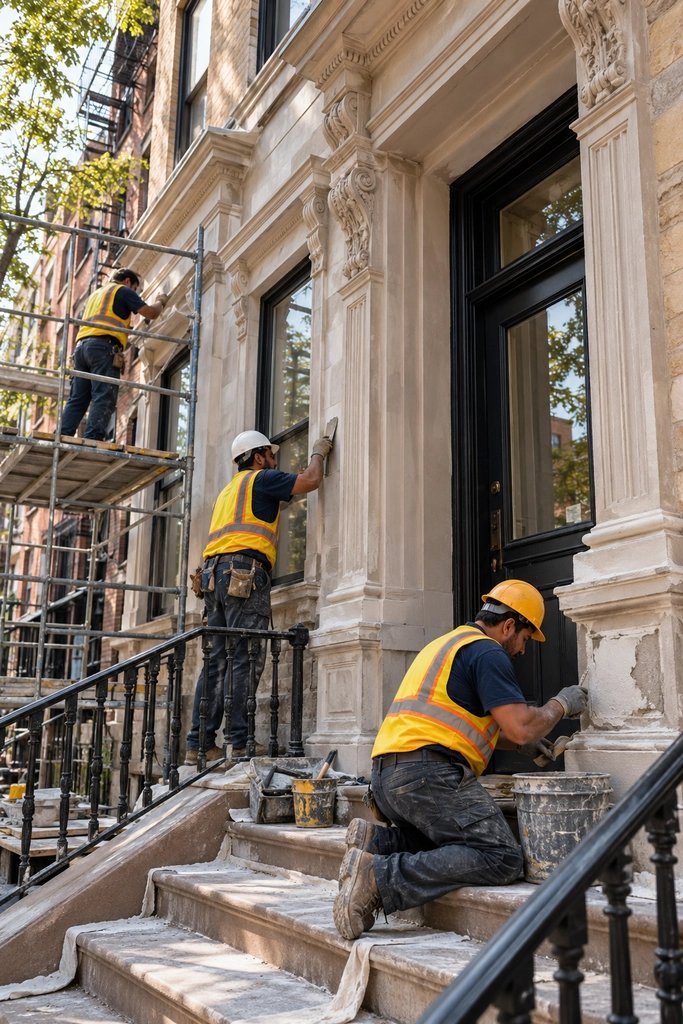
If you have just received this result, the most important thing to understand is the division of responsibility. ONLY a Qualified Exterior Wall Inspector (QEWI) performs the inspection, makes the classification, and files the reports. Spark Restoration Inc. does the repair and correction work, including masonry, facade, and parapet repairs. We do not perform the QEWI inspection or filing. Your QEWI remains the authority on what must be corrected, and the amended report that shows the work completed comes through the QEWI process.
This guide explains what SWARMP means, the conditions that typically receive this rating, the deadline that comes with a repair and maintenance program, and the practical steps to take after a SWARMP filing. It also explains what can happen if the finding is ignored and how to choose a contractor for the correction work. If you are still learning how the inspection itself works, start with our companion guide, What Happens During a Local Law 11 Inspection?, then return here for the next steps.
What SWARMP Means
SWARMP stands for Safe With a Repair and Maintenance Program. Under Local Law 11, also known as the Facade Inspection and Safety Program (FISP), exterior walls and appurtenances of certain buildings must be inspected on a regular cycle. After that inspection, the QEWI classifies the building. A SWARMP classification sits between a safe filing and an unsafe filing. It says the building is safe for now, provided that a defined program of repair and maintenance is carried out.
The key word is program. A SWARMP finding is not a single repair item that can be forgotten once a crew leaves the site. It is a set of conditions, a plan to correct them, and a follow-up filing that confirms they have been corrected. The QEWI identifies the conditions, describes what needs attention, and sets a timeframe for correction. The owner then arranges the correction work and, once it is complete, the QEWI files an amended report showing the conditions corrected.
That process protects everyone. Residents, visitors, and passersby are not exposed to an immediate hazard, but the building is not left to deteriorate quietly. Mortar, masonry, parapets, and facade elements are exposed to weather, freeze and thaw cycles, water, and normal movement. A small defect can grow, admit more water, and weaken the surrounding material. A repair and maintenance program interrupts that cycle while the work is still manageable.
The Conditions That Typically Get a SWARMP Rating
SWARMP conditions are varied, but they share a common trait: they are not currently unsafe, yet they could become unsafe if they are left uncorrected. The QEWI judges each condition on its own facts, including its location, severity, and risk of deterioration. Only the QEWI can make that classification for your building, and this list is general guidance, not a substitute for your report.
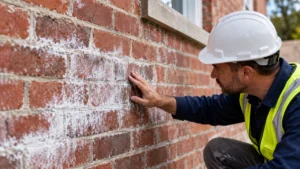
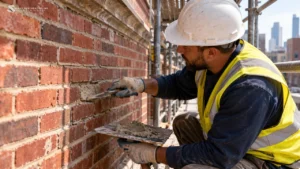
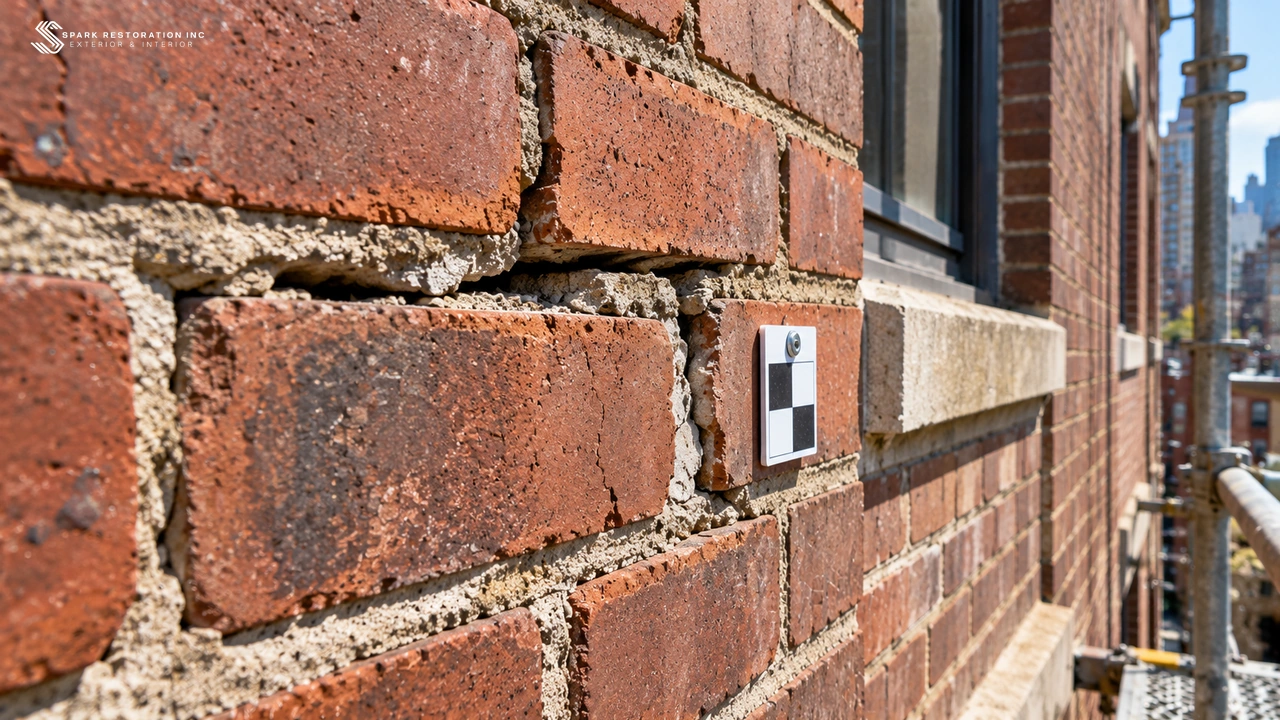
Deteriorated mortar joints are among the most common findings. Mortar can crack, erode, or open up over time, especially on older brick facades. Open joints admit water, and water accelerates damage in cold weather and weakens the bond between bricks. Repointing, where deteriorated mortar is removed and replaced, is a typical correction. The work must match the surrounding masonry in profile and appearance where appropriate, and it must be carried out carefully so sound material is not damaged.
Cracked, spalled, or displaced masonry is another frequent condition. Spalling occurs when the surface of brick or stone flakes, crumbles, or breaks away. Cracks can appear around windows, at corners, along parapets, or where different materials meet. Some cracks are cosmetic, while others signal movement, water damage, or a failing detail. The QEWI report should be read closely to understand which conditions require repair and how urgently they must be addressed.
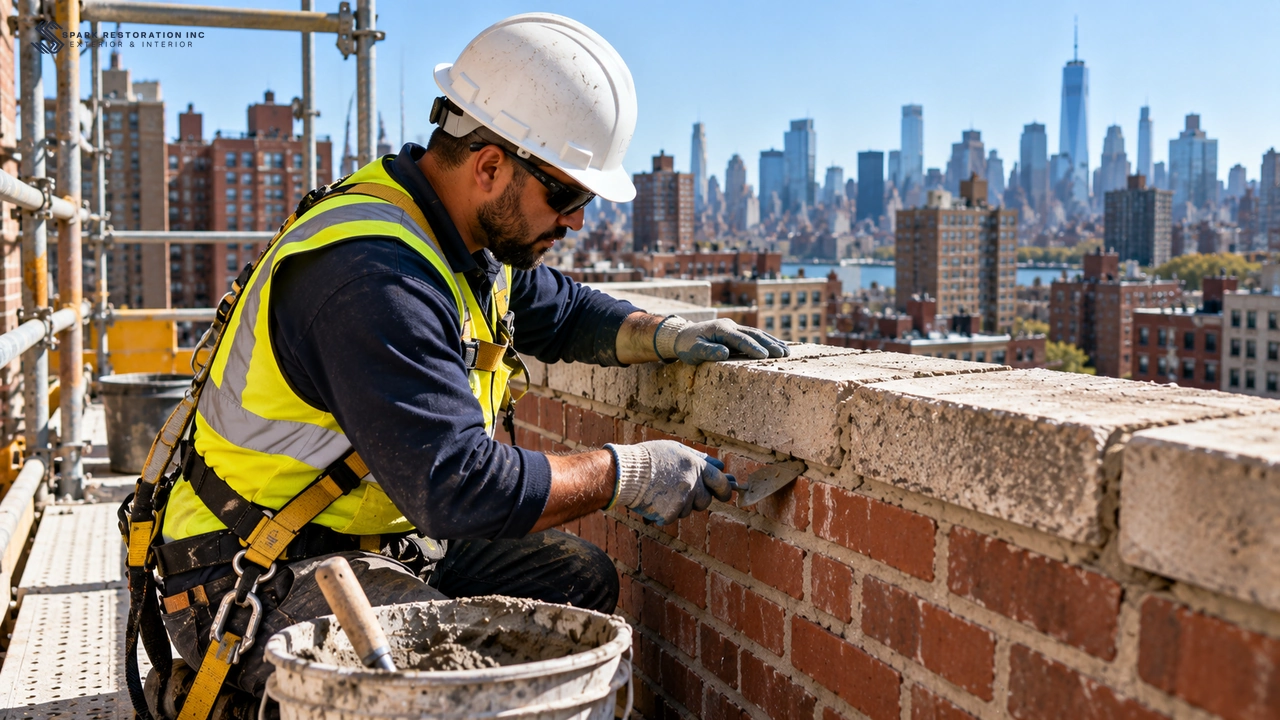
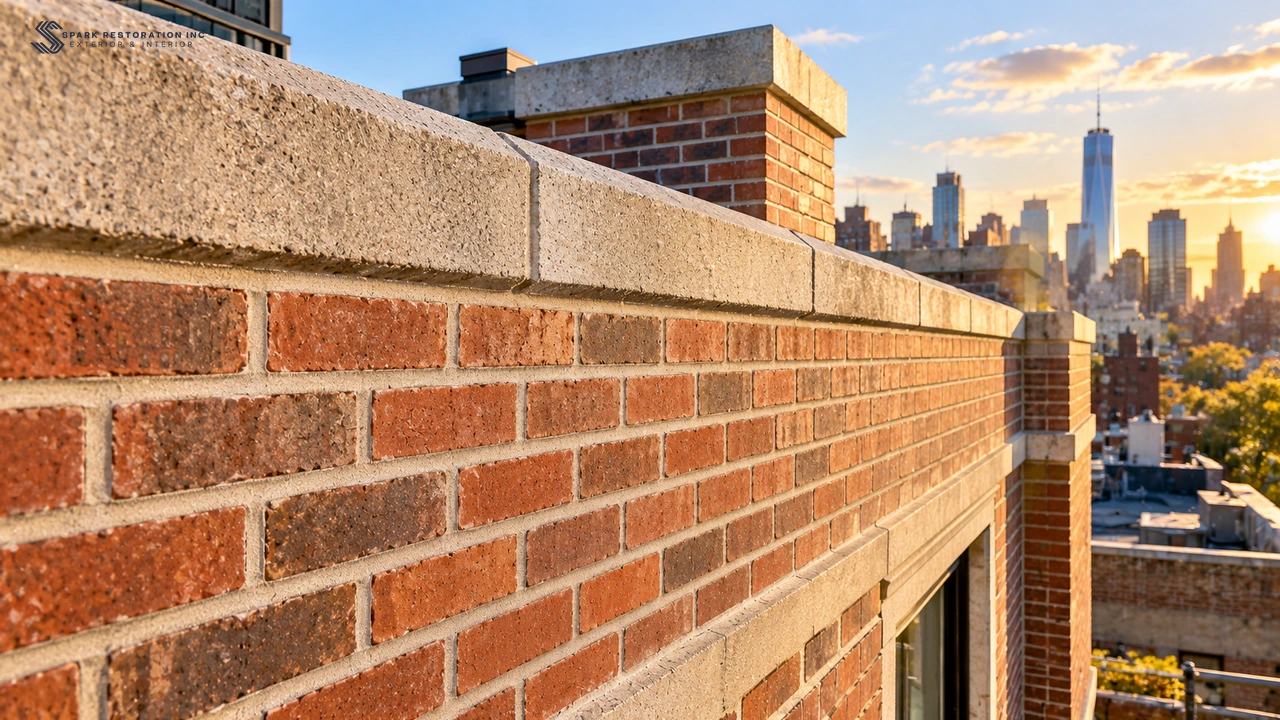
Parapet walls deserve special attention because they sit at the top of a building and are exposed on multiple sides. A parapet with deteriorated mortar, loose coping, missing flashing, or displaced units can deteriorate quickly. Parapet repairs often include repointing, rebuilding a damaged section, resetting or replacing coping, and correcting flashing and waterproofing details. Because parapets are high and exposed, safe access and proper sequencing matter. Other conditions that may receive a SWARMP rating include loose facade elements, deteriorated sealant, damaged lintels or sills, and early signs of water penetration.
Your Deadline: What Repair and Maintenance Program Requires
A repair and maintenance program requires three things: correct the conditions identified by the QEWI, do so within the timeframe set in the filing, and have the QEWI file an amended report showing them corrected. The QEWI sets a timeframe for correction, commonly referenced as within two years of the filing. That is the commonly published reference point, but your own filing controls your deadline. Read it carefully, confirm the date in writing with your QEWI if anything is unclear, and work backward from that date.
Planning backward is essential because facade work is rarely as simple as a single day of repairs. Access may require scaffolding, sidewalk protection, or coordination with tenants. Materials may need to match existing masonry. Weather can delay exterior work. The QEWI may also need time to re-inspect the completed work and prepare the amended report. Starting early gives you room for those steps without rushing the final inspection.
Step by Step: What To Do After a SWARMP Filing
Step one is to read the full QEWI report, not just the summary classification. Note every SWARMP condition, its location, and any notes about urgency or sequencing. Keep the report with your building records and share the relevant sections with the contractor who will price and perform the correction work. If anything in the report is unclear, ask your QEWI for clarification before work begins.
Step two is to confirm the deadline and the amended-report process with your QEWI. Ask what evidence the QEWI will need after the work is complete, whether a re-inspection visit is required, and how much time to allow for filing. Confirming this at the start avoids a situation where repairs are finished but the paperwork is delayed because the QEWI was not scheduled in time.
Step three is to obtain a scope-based assessment from a repair contractor. A good contractor will walk the facade, review the QEWI findings, and price the correction work item by item. That assessment should distinguish between the work required to address the SWARMP conditions and any additional maintenance the owner may wish to consider. Keep those categories separate so the required work is not lost inside a larger wish list.
Step four is to plan access, protection, and scheduling. Facade and parapet work often needs scaffolding or other approved access, sidewalk sheds or protection where required, and coordination with residents, managing agents, and neighboring properties. A clear schedule that accounts for weather, deliveries, and inspection visits will reduce disruption and help the project stay on track.
Step five is to complete the correction work with attention to quality and documentation, then return to your QEWI for the amended report. Photographs before, during, and after the work are useful for your records and for the QEWI. Keep invoices, material notes, and contractor documentation that describes what was repaired and where. Once the work is complete, the QEWI reviews it and, if the conditions are corrected, files an amended report showing them corrected. Do not assume the process is finished when the last scaffold comes down, because the amended filing is the step that closes the SWARMP program for those conditions, so confirm that it has been filed and keep a copy.
What Happens If You Ignore a SWARMP Finding
Ignoring a SWARMP finding does not make the conditions go away. Water continues to enter open joints, mortar continues to erode, and masonry continues to weaken. A condition that was safe with a repair program can deteriorate to the point where, on a later assessment, it is treated as unsafe. That change can bring stricter requirements, more urgent work, and greater disruption for residents and for the building.
Failure to correct SWARMP conditions within the required timeframe can also lead to fines and follow-up requirements. The exact consequences depend on the filing, the building, and the regulatory process, so owners should not rely on general assumptions. The practical point is consistent: delay increases risk, cost, and administrative burden. Early correction is usually simpler and more predictable than emergency work after deterioration.
There is also a safety and liability dimension. Facade elements, parapets, and masonry above sidewalks and entrances carry real consequences if they fail. A repair and maintenance program is designed to address problems before they reach that stage. Owners, boards, and managing agents who document their plan, start promptly, and complete the amended filing are in a far stronger position than those who leave a finding unaddressed.
Choosing a Contractor for the Correction Work
Choose a contractor with direct experience in facade, masonry, and parapet repair in New York City. Ask how the contractor will address each item in the QEWI report, what access is required, how the work will be sequenced, and how the site will be protected. A clear, itemized scope is more useful than a vague promise to fix the facade. The contractor should be comfortable working from a QEWI report and coordinating with the QEWI for re-inspection, while being clear that the QEWI, not the contractor, makes the classification and files the reports.
Spark Restoration Inc. provides exterior repair and renovation services in New York, including masonry and facade work that commonly forms part of a SWARMP correction program. Building owners in Astoria can also learn more about local support through our exterior renovation contractors in Astoria, NY page. When you contact us, share your QEWI report and deadline so the assessment can be focused on the conditions that must be corrected.
Before work begins, agree on the scope, schedule, access plan, and documentation in writing. Confirm who will coordinate with the QEWI, how progress will be reported, and what photographs and records will be provided at completion. A contractor who welcomes those questions is more likely to deliver work that the QEWI can verify and that will hold up through the next inspection cycle.
A SWARMP finding is a manageable problem when it is handled promptly. Read the QEWI report, confirm the deadline, complete the correction work, and make sure the amended report is filed. If you need help with the repair side of that program, contact Spark Restoration Inc. for a free estimate and share your QEWI findings so we can assess the correction work.