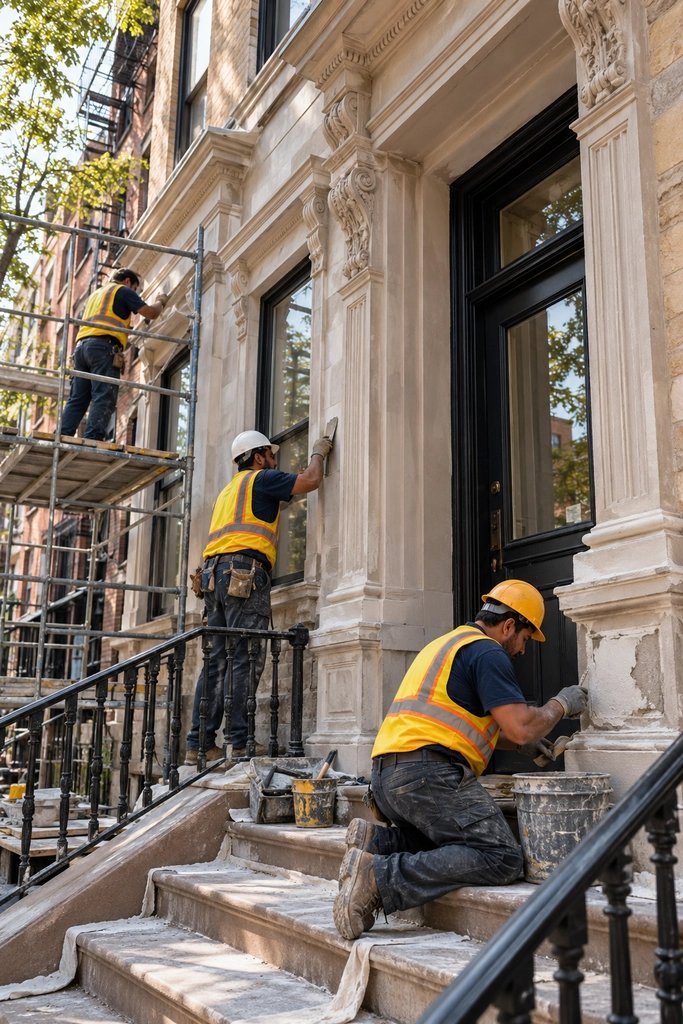
Maintaining a home’s exterior is more than a matter of appearance — it is about long-term protection and structural integrity. Among the most effective solutions for durable exterior walls is stucco repair and reapplication, a process that restores damaged surfaces and prevents moisture, mold, and deterioration. Understanding when and how to perform these repairs is essential for homeowners and professionals alike.
Modern stucco systems offer aesthetic appeal and resilience, but exposure to weather, moisture, and natural wear can cause cracks, chips, or peeling. Repair and reapplication not only restore the wall’s appearance but also ensure it remains waterproof and insulated. Proper attention to preparation, materials, and application techniques is crucial to achieving lasting results.
Professionals and DIY enthusiasts recognize the value of timely intervention. With a structured approach, even minor issues can be addressed effectively, preventing expensive repairs in the future. This guide explores all aspects, from identifying damage to performing high-quality reapplication, providing practical insights and expert advice.
The short answer
Stucco fails in predictable ways — hairline cracks, bulging or hollow-sounding patches, stains under windows — and in New York’s freeze-thaw climate small failures grow fast once water gets behind the surface. Repair means cutting out failed material, fixing the cause, and rebuilding the coats so old and new work move together; full reapplication is the answer when failure is widespread. This guide covers the signs, the professional process, the mistakes to avoid and what maintenance actually extends stucco life.
What is Stucco and Why Proper Maintenance Matters?
Stucco is a versatile, durable exterior finish composed of cement, lime, and sand, applied in layers to protect and beautify walls. Its popularity stems from its resilience, energy efficiency, and ability to create smooth or textured finishes. However, like all building materials, stucco is vulnerable to environmental stress, which can cause cracks, water damage, or surface degradation.
Proper maintenance, including timely repair and reapplication, is essential to retain both aesthetics and structural integrity. Neglecting damaged areas can result in water infiltration, mold growth, and weakened masonry. Key benefits of regular maintenance include extended wall life, reduced repair costs, and improved insulation.
Additionally, well-maintained stucco contributes to property value and curb appeal. Homeowners should inspect walls periodically, noting cracks, discoloration, or peeling. Prompt repair ensures surfaces remain smooth, visually appealing, and fully protected from external elements, reinforcing both durability and energy efficiency.
Signs You Need Stucco Repair & Reapplication
Identifying early signs of damage is crucial to prevent costly repairs. Homeowners should watch for visible cracks, peeling, or crumbling surfaces, which indicate the stucco has weakened. Water stains, mold growth, and efflorescence (white salt deposits) also signal moisture infiltration that requires immediate attention.
Other warning signs include uneven surfaces, discoloration, and areas where stucco has separated from the wall substrate. Neglecting these issues can lead to structural damage, insulation loss, and decreased energy efficiency. Regular inspections, especially after severe weather, can prevent long-term problems.
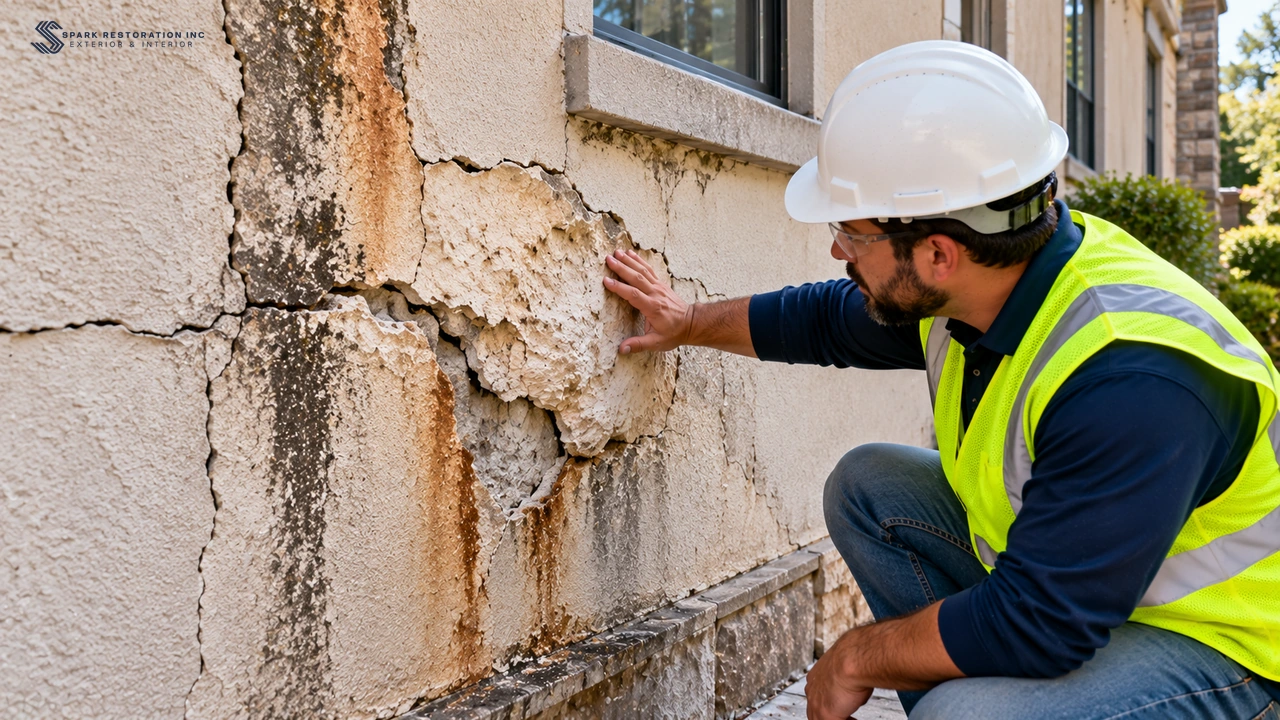
Key indicators that stucco repair is needed:
- Hairline cracks and visible fissures
- Water damage or stains on exterior walls
- Loose or flaking stucco
- Mold or mildew accumulation
- Discoloration or texture inconsistencies
By addressing these issues promptly, homeowners can maintain both the appearance and function of the wall system.
DIY Stucco Repair vs. Professional Reapplication
Homeowners often debate between DIY fixes and hiring professionals. Minor surface cracks or cosmetic blemishes can often be patched successfully with basic tools and pre-mixed compounds.
However, larger structural cracks, water-damaged sections, or areas affecting insulation require professional reapplication to ensure long-term performance.
When deciding between DIY and professional services, consider:
- Size and depth of cracks or damage
- Water penetration or underlying structural issues
- Availability of tools and materials
- Time and expertise required
By understanding the scope of damage, homeowners can choose the appropriate method, ensuring both efficiency and durability.
Advanced Techniques for Long-Lasting Stucco Repair & Reapplication
For homeowners and professionals aiming for durable results, advanced repair and reapplication techniques make a significant difference. These include using high-performance polymer-modified mixes and precise texture matching to blend repairs seamlessly with existing walls. On synthetic stucco (EIFS) assemblies, detailing and finish coats follow the manufacturer’s layered system rather than site-mixed coats.
Environmental Factors Affecting Stucco Longevity and Maintenance
Stucco’s durability is heavily influenced by environmental conditions, making regular inspection and maintenance essential. Sun exposure, wind-driven rain, and temperature swings all age the finish over time.
In New York, freeze-thaw cycles are a leading cause of stucco cracking: water enters hairline cracks, freezes, and widens them through the winter. Proper maintenance involves adjusting repair techniques based on local climate, such as using moisture-resistant materials and sealing vulnerable areas before winter.
Choosing the Right Materials and Tools for Stucco Repair & Reapplication
Selecting high-quality materials and proper tools is crucial for successful repair work. The mix proportions of cement, lime, and sand, along with any polymer additives, determine strength, flexibility, and adhesion.
Equally important are application tools such as trowels, hawks, floats, brushes, and scaffolding for safe access to higher walls.
Step-by-Step Stucco Repair Process
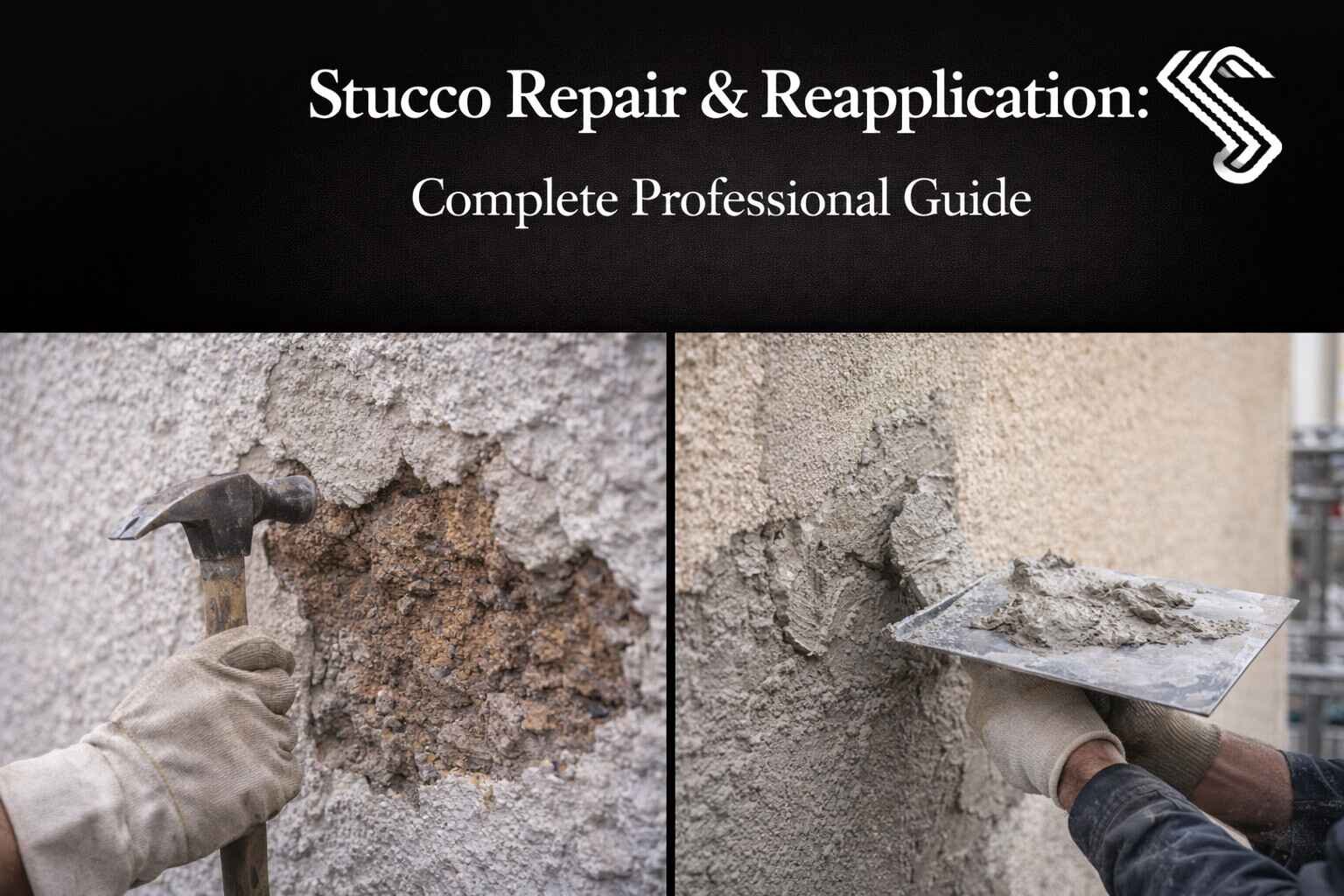
A methodical approach guarantees optimal results. The process begins with surface preparation: loose, cracked, or delaminated stucco is removed, and the substrate is cleaned and checked for water damage.
Next, a base coat is applied, carefully mixed to match the existing stucco composition. Tools such as trowels and floats are used to level and texture the surface before the finish coat completes the repair.
Step-by-step highlights:
- Surface cleaning and loose material removal
- Base coat application with proper curing
- Finish coat application for texture and uniformity
- Optional painting and waterproof sealing
- Inspection to ensure adherence and durability
Following these steps ensures a durable, visually appealing, and structurally sound exterior.
Common Mistakes in Stucco Reapplication & How to Avoid Them
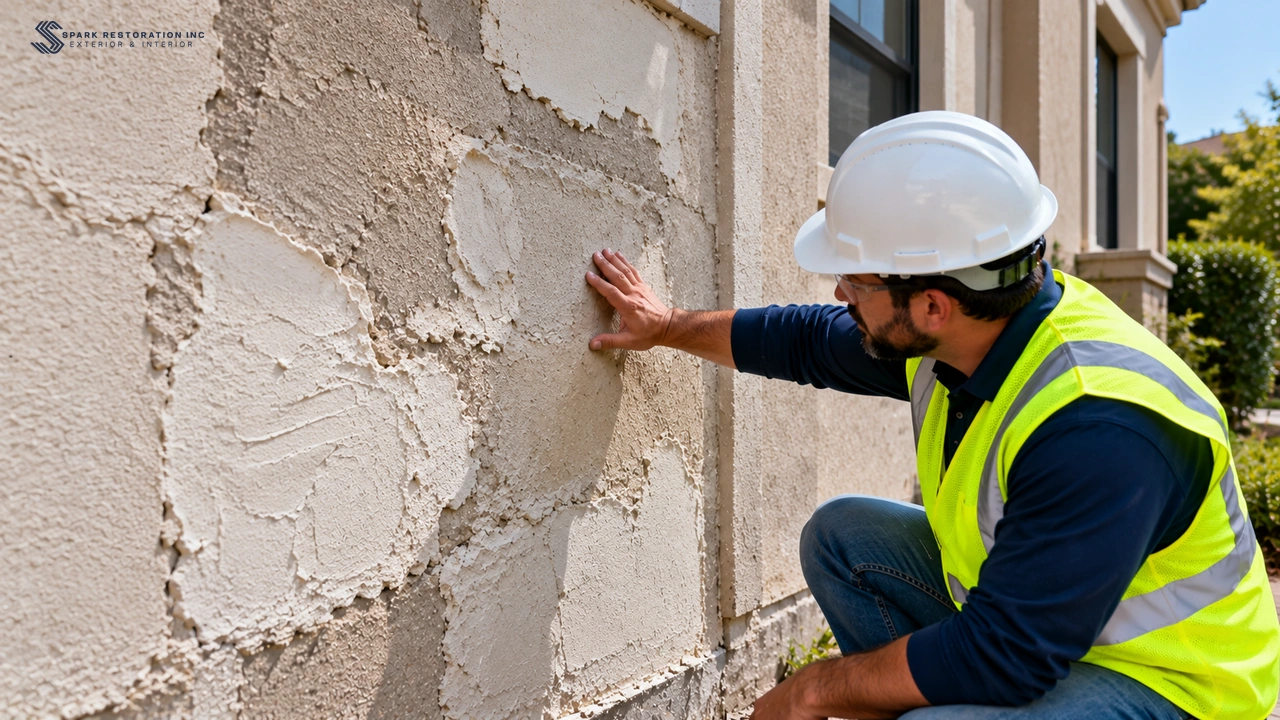
Mistakes during reapplication can compromise durability and result in recurring issues. Common errors include applying new stucco over a dirty or damp surface, using incorrect mix ratios, and skipping proper curing time.
Another frequent mistake is neglecting underlying structural damage. Addressing only surface cracks allows the underlying problem to continue, and the repair to fail early.
Tips to avoid mistakes:
- Follow correct cement-to-lime-to-sand ratios
- Always prepare a clean, dry surface
- Inspect for underlying water or structural damage
- Apply consistent texture and smoothness
- Use quality sealing materials for protection
Attention to detail prevents future repair needs and ensures a long-lasting finish.
Cost of Stucco Repair & Reapplication
The cost of stucco repair and reapplication varies depending on project size, damage severity, and materials used. No two walls price the same, which is why an on-site assessment matters.
Other factors influencing cost include regional labor rates, surface complexity, and whether additional treatments are needed. Professional services often ensure compliance with building standards, extended durability, and a uniform finish.
Typical cost considerations:
- DIY materials: stucco mix, trowels, and sealants
- Professional services: labor, scaffolding, and specialized tools
- Additional treatments: waterproofing, painting, or substrate repair
- Surface area and texture complexity
Budget planning ensures homeowners make informed choices for lasting results.
For the price side in detail — what drives a stucco quote in New York and Westchester, and how patch repairs compare with reapplication — see our guide to stucco repair cost.
Maintenance Tips to Extend Stucco Life
Regular maintenance is essential for preserving repair results. Frequent inspections catch small cracks and stains before they become larger problems.
Additional tips include:
- Schedule annual inspections, especially after storms
- Clean walls with gentle pressure washing or mild detergents
- Repaint and seal surfaces every few years to protect against UV and moisture
- Ensure proper drainage and gutter maintenance to prevent water pooling
- Address minor cracks promptly with patching compounds
Consistent maintenance prolongs stucco lifespan, prevents structural damage, and maintains home aesthetics.
Conclusion
Proper stucco repair and reapplication is a vital step in maintaining a home’s exterior beauty and structural protection. Done correctly, it stops moisture, restores the finish, and extends the life of the wall system.
Homeowners can tackle minor issues themselves, but complex or widespread damage requires professional expertise. Where the underlying stucco is sound but the surface is worn, stucco skim coating and refinishing can renew the finish without a full rebuild. Spark Restoration Inc repairs and reapplies stucco on homes and buildings across New York City and Westchester County, following the same process described in this guide. With regular stucco care, homeowners can enjoy strong, protected, and aesthetically pleasing exterior walls for decades.