
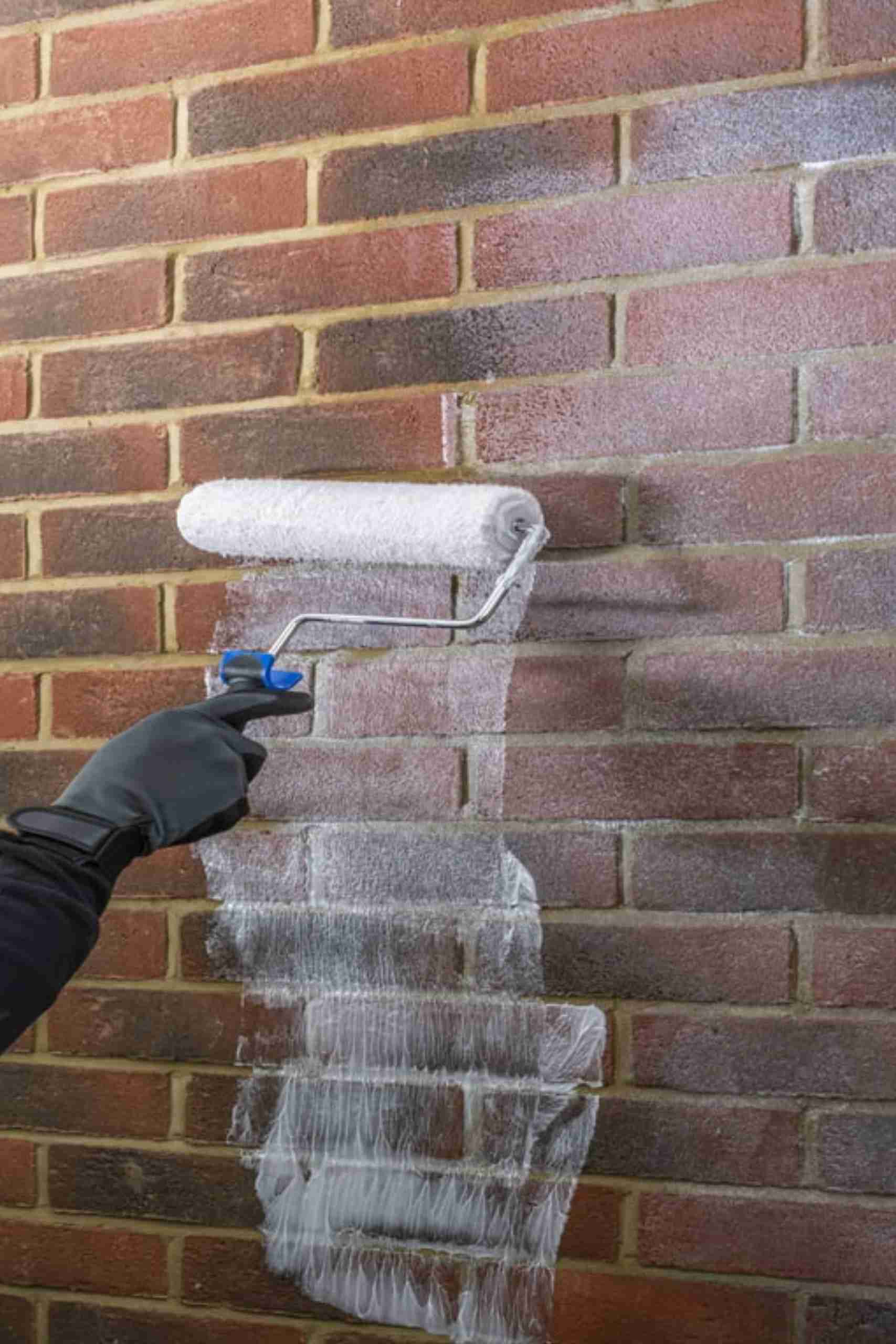

Why New York Buildings Develop Leaks at Edges and Interfaces?
New York buildings rarely fail all at once; they leak in stages that follow physics, not luck. Waterproofing & Sealant Services in New York are most effective when they interrupt the specific pathway water uses to move from exterior exposure to interior damage.
For NYC residential & commercial properties, that means controlling movement at interfaces, restoring drainage behavior, and sealing transitions without trapping moisture.
Why NYC exposure turns small gaps into recurring leaks?
Local climate exposure is the multiplier. Wind-driven rain increases pressure across joints, freezing–thaw cycling expands damp pores, and summer heat drives daily expansion and contraction that fatigues edges. In dense urban structures, shaded elevations and narrow courtyards slow drying, so moisture persists longer than owners expect.
If defects are ignored, the consequences escalate: efflorescence, corrosion at embedded steel, softened mortar, interior staining, and persistent odor. During NYC winters, trapped water freezes, expands, and triggers spalling at edges, ledges, and parapets. Once spalls begin, repairs shift from localized sealing to patching and reinforcement, and access costs rise sharply.
Repeated wetting also accelerates crack growth by cycling materials through saturation and drying. Complicates scoping.
Step one: identify the entry point, not the stain
A stain shows where water ended up, not where it entered. On New York facades, water often enters at a high transition, travels behind finishes, and appears at a lower interior outlet. Accurate water intrusion prevention starts with isolating the most likely interfaces: coping seams, parapet returns, slab edges, window perimeters, terrace thresholds, and mechanical penetrations.
Professional waterproofing services in New York should begin with documentation. A focused inspection records joint conditions, open laps, deteriorated mortar, and ponding zones, then links each observation to a hypothesis about the pathway. When multiple interfaces could be responsible, short controlled water checks can confirm one condition at a time, reducing false positives and keeping scopes precise.
What should a useful site report contain?
A practical report includes photos, locations, and a sequence of corrections. It also notes constraints specific to NYC: access method, protection of pedestrians or storefronts, noise limits, and weather windows for curing. This level of clarity helps owners compare bids on equal scope, instead of comparing undefined promises.
Joint sealing that survives movement in New York
Most leaks originate at joints and terminations because those areas move. Sealant materials can tolerate movement, but only when the joint is designed and installed correctly. The critical variables are joint width, depth, edge soundness, and a profile that sheds water rather than holding it.
Expansion joints deserve special attention. They are engineered movement zones, so the design must avoid three-sided adhesion. Backer rod and bond-break details allow the sealant to elongate without tearing at the edges. In NYC, where vibration and thermal swings are constant, this geometry is often the difference between a multi-year repair and a seasonal callback.
Selecting chemistry based on exposure and substrate
New York assemblies are mixed: masonry tied to concrete, metal edges, and legacy repairs of unknown composition. Compatibility matters. Some products bond poorly to old silicone residue; others stain porous stone if priming is wrong. A good specification links product choice to substrate porosity, expected movement, UV exposure, and chemical contact, improving durability without overbuilding the scope.
Surface preparation: the hidden driver of performance
Preparation is not “cleaning”; it is engineering the bond line. In NYC, soot, salts, traffic film, and old coatings commonly reduce adhesion. Weak mortar, spalls, and crumbling returns must be repaired so the sealant can anchor to sound edges. Without this prep work, even premium products fail early at the perimeter.
The application process should be explicit: remove failed compounds, repair voids, clean and dry within manufacturer limits, apply primer where specified, install and tool, then allow cure time protected from wash-down or abrasion. Each step supports structural protection by reducing the likelihood of edge debonding under weather resistance demands.
When are priming and test patches warranted?
If the substrate history is unclear, small test areas can validate adhesion and cure behavior. This is common in older New York buildings that have been patched multiple times. Confirming performance up front prevents wholesale installation of an incompatible system and improves service life.
Concrete exposure and below-grade control
Concrete behaves differently from masonry: it can transmit moisture through pores and cracks even when it looks “solid.” For concrete waterproofing services, the design must treat cracks, cold joints, and penetrations as primary pathways. In NYC, experienced concrete waterproofing contractors address these defects before any field coating is applied. In New York basements and podium slabs, seepage often worsens after prolonged storms because wet soils and ponded runoff increase the moisture load.
Where foundation waterproofing services are required, the scope must include terminations, protection layers, and drainage strategy, not just membrane placement. On many NYC properties, correcting drainage and restoring continuity at slab-to-wall lines reduces recurrence more than adding thickness in the field area.
Coordinating interior-side vs exterior-side approaches
Exterior systems reduce wetting at the source but may require significant access. Interior-side approaches can manage leakage when exterior work is constrained, but they must be designed to avoid trapping moisture in the assembly. The choice should be explained in cause-and-effect terms tied to the building envelope’s drying potential.
Roof edges, parapets, and terrace transitions
Many New York leaks are edge failures, not field failures. Parapets, coping joints, and counterflashing laps create bypass routes when fasteners loosen or seal lines open. Water can run behind an edge and travel downward before it appears indoors. Coordination with roof waterproofing contractors is often necessary so that terminations, laps, and drainage behavior act as one system.
On terraces, abrasion and ponding are practical risks. Details at corners, scuppers, and edge metal must be continuous, and termination seals must be protected from traffic. This is where exterior waterproofing contractors add value: they align sequencing, so adjacent trades or cleaning routines do not compromise fresh work.
Verification, documentation, and compliance in NYC
In a high-density city, rework is expensive and disruptive. Verification should be built into the plan: thickness checks for coatings, adhesion checks for critical joints, and selective post-cure water checks when the pathway is complex. Documentation is equally important. Photos of preparation, primer use, and final geometry help owners maintain repairs and support compliance standards.
A sealant application company in New York should also note curing constraints in NYC weather. Cold snaps slow cure, high humidity extends tack time, and windborne dust can contaminate fresh surfaces. Managing those variables protects bond strength and appearance while keeping the scope realistic.
Scope, strategy, and cost drivers in New York
Cost is driven by access, substrate condition, and interface complexity more than square footage. Scaffolding, swing stages, traffic control, and protective enclosures can exceed material costs on NYC sites. Owners can improve value by staging work: address the highest-risk interfaces first while access is mobilized, then complete secondary areas within the same setup.
Material selection also affects lifecycle cost. A higher-performance joint system may cost more up front but reduce repeat mobilizations. Clear specifications that match system capability to movement and exposure are how building waterproofing contractors deliver predictable durability on New York assets.
Maintenance planning to protect long-term results
No system is “install and forget,” especially in NYC. Annual visual checks of joints, copings, drains, and penetrations catch early loss of adhesion before moisture spreads. Keeping drainage paths clear reduces wetting load across the exterior enclosure and supports durable service. When repairs are documented and maintained, building waterproofing services become a manageable program instead of an emergency cycle.
If you need an enforceable scope for New York properties, you require a written sequence, defined materials, and verification steps. That is how high-competition NYC work becomes predictable: control the pathway, control the details, and control the lifecycle.