
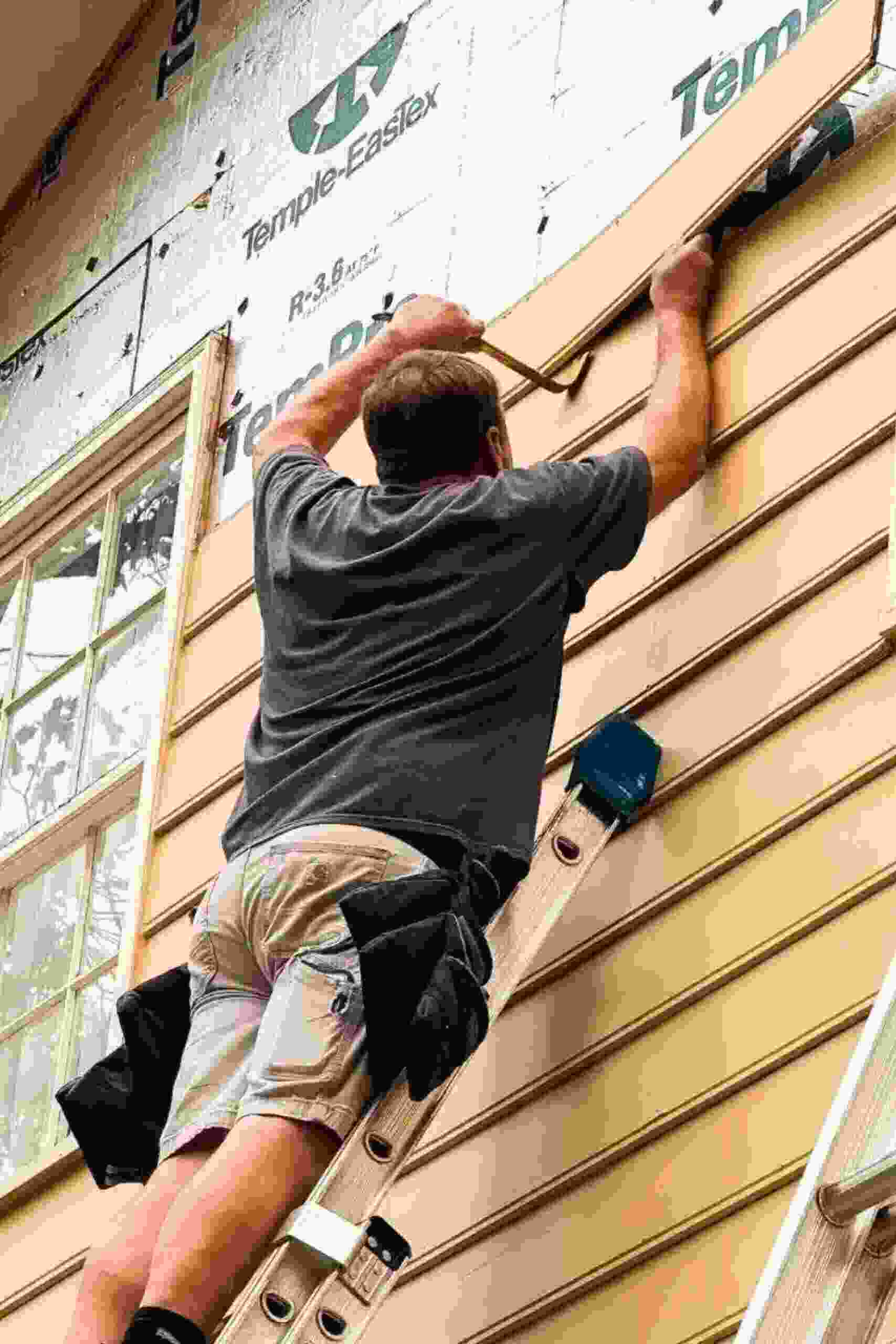

A Practical Guide to Durable Siding Work in NYC
If you are evaluating Siding Installation & Repair Services in New York, the most useful starting point is evidence: where water is traveling, what the substrate looks like, and how the existing assembly was detailed. In NYC, access constraints and occupied buildings amplify risk, so scopes must be specific and verifiable.
What owners and managers should expect from a site visit?
A credible siding repair company does not “quote from the sidewalk.” We photograph elevations, map damaged runs, and note penetrations, terminations, and prior patches. That repair assessment should also record access assumptions (lift, scaffold, swing stage) and protection needs for sidewalks, entries, and storefronts. Clear documentation prevents vague allowances and later surprises.
Installation vs. Repair: Choosing the Right Strategy
NYC projects usually fall into three categories: targeted house siding repairs, broad replacement on one elevation, or phased work across multiple exposures. The decision is less about aesthetics and more about moisture protection, structural protection, and long-term performance. When the backing is stable and the failure mechanism is isolated, a professional siding repair service can be the most economical path. When underlying layers are compromised, siding replacement services are usually the safer path for NYC buildings.
Indicators that favor repair
Repair is typically appropriate when damage is localized, fasteners have loosened in limited areas, or single panels have been impacted. Our siding repair services focus on restoring drainage and secure attachment without creating stiff transitions. We confirm that seams can be re-established and that new pieces can integrate without concentrating movement. In New York’s windy corridors, we also check edge restraints so repaired areas maintain weather resistance under gust loading and climate exposure.
Indicators that favor replacement
Replacement becomes likely when there is widespread warping, recurring leakage at repeated details, or deterioration behind multiple bays. NYC buildings often have mixed substrates; if the structure behind the siding has softened, replacement must include substrate correction and building compliance considerations, not just new boards. A sound scope defines what “good backing” looks like and how it will be verified before cladding goes back up.
Siding Materials That Perform in New York Conditions
Material selection should match the building, not a trend. Different siding materials respond differently to UV, freeze–thaw cycles, impacts, and salt-laden air. We evaluate compatibility with existing trims, clearances, and attachment points so the finished surface stays flat and maintains exterior durability on tall walls.
Vinyl systems
Many NYC low- and mid-rise buildings use vinyl, so we often perform vinyl siding installation and repair services where matching profile and color is critical. The installation process must respect thermal movement; if it is pinned too tightly, buckling follows. When repairs are needed, vinyl siding repair experts focus on replacing damaged runs while preserving drainage planes and consistent joint behavior. We also provide vinyl siding services with clear termination and fastening guidance.
Metal and aluminum systems
Metal cladding can be robust, but detailing controls performance. Metal siding repair often involves correcting fastener patterns, edge conditions that allow vibration, or damaged panels that interrupt drainage. Aluminum siding repair frequently includes addressing dented sections and restoring secure laps so water sheds correctly. In New York, we pay special attention to dissimilar metal contact and corrosion risk at cut edges.
Wood systems
Wood siding repair in NYC requires careful moisture management. We identify where paint films trap water, blocked gaps, or failed flashings, then correct the detail before replacing boards. The goal is to restore drying potential without opening pathways for wind-driven rain, preserving insulation performance and avoiding concealed rot.
How We Control Moisture and Air Paths?
NYC weather makes cladding details unforgiving. Wind-driven rain exploits tiny discontinuities, and interior conditions can push vapor toward colder surfaces in winter. Our scopes prioritize continuity: laps that shed, terminations that drain, and joints that remain serviceable. That is the difference between a cosmetic patch and home siding repairs that actually last.
The details that matter most
Most failures begin at penetrations, corners, and transitions. We verify flashing overlaps, sealant placement where appropriate (not everywhere), and drainage paths that remain open after trim is installed. We also evaluate insulation performance impacts: if the assembly can accept improvements without compromising drying, it can reduce interior discomfort and condensation risk common in New York mixed-use buildings.
Why Professional Expertise Matters on NYC Buildings?
NYC work adds operational constraints: sidewalk protection, noise rules, elevator reservations, and strict delivery windows. Hiring siding repair contractors who understand urban logistics reduces disruption and prevents improvised fixes. A siding repair expert plans the sequence so openings are never left exposed and temporary closures are robust enough for overnight conditions.
Quality control, you can audit
We provide photo logs, location tags, and a closeout checklist so managers can verify workmanship without relying on opinions. This includes fastener checks, joint alignment, and confirmation that moisture protection elements are continuous. In New York, documentation supports board approvals and helps future maintenance teams understand what was changed and why.
Planning the Work: Access, Safety, and Scheduling
A siding installation service in NYC is a coordination project. Access selection affects cost, duration, and occupant impact. We assess whether the building needs a scaffold, a lift, or rope access and align that with site constraints and local climate conditions. Clear staging and protection plans are essential for residential & commercial properties where entrances must remain operational.
Minimizing disruption
We plan work zones, maintain egress, and sequence noisy tasks to meet building rules. For occupied buildings, we schedule removals to minimize exposure time and control materials to avoid blocking sidewalks. These controls support exterior durability by preventing rushed installations that skip critical transitions.
Cost Drivers and How to Compare Proposals
In New York, price differences usually come from access, substrate condition, and how much of the system is being rebuilt. A proposal that only lists “repair” is not comparable to one that specifies removals, backing repairs, flashing work, and finish reinstatement. Ask for line items and acceptance criteria so you can compare like-for-like.
Financing and budgeting considerations
Some siding companies that finance can make capital planning easier, but financing should not replace a correct scope. Confirm that materials, access, and compliance steps are defined. If the proposal is missing verification steps for the backing condition, the risk remains, regardless of the payment structure.
Repair Execution: What “Good” Looks Like After Completion
Successful repairs are visible in performance, not just appearance. Local siding repair should leave consistent joints, secure edges, and predictable drainage. We confirm that repaired areas do not create stiff transitions that concentrate movement and that fasteners allow controlled expansion where required. A local siding repair expert should be able to explain these checks in plain terms.
Vinyl repair specifics
Vinyl siding repair services should include matching, correct nailing, and proper termination details. We avoid over-sealing that traps water and instead maintain drainage while controlling wind entry points. For small defects, handyman vinyl siding repair may seem attractive, but uncontrolled fastening and missing transitions often lead to repeat callbacks in NYC conditions.
Replacement specifics
When replacement is required, trusted siding installation services include substrate correction, flashing continuity, and a documented installation process. We verify final alignment, check terminations, and confirm building compliance requirements were met. The outcome is predictable long-term performance, not a surface-level refresh.
Maintenance Guidance for NYC Properties
A simple annual review reduces expensive surprises. Inspect seams, corners, and penetrations, and look for early signs of movement after major storms, following severe storms. Keep drainage paths clear and address minor damage promptly to preserve moisture protection and structural protection. For managed buildings in New York, a short log with dates and photos supports warranty discussions and keeps future house siding repairs targeted rather than reactive.