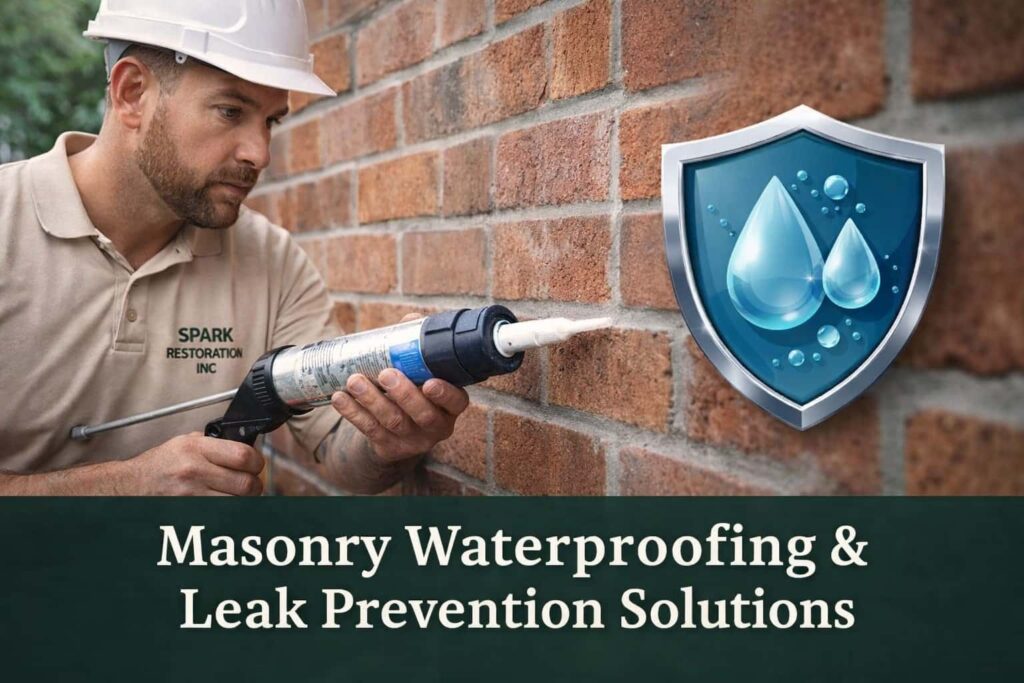
Masonry waterproofing is not a cosmetic upgrade—it is a critical building preservation strategy. In dense urban environments like New York City, constant exposure to rain, snow, freeze–thaw cycles, pollution, and humidity accelerates moisture intrusion into brick, stone, and concrete assemblies. Without proper waterproofing, even well-constructed masonry structures are vulnerable to leaks, spalling, mold growth, and structural deterioration.
This expert guide explains how masonry waterproofing works, why leaks occur, and how professional waterproofing systems prevent long-term damage to residential, commercial, and historic buildings.
Understanding How Water Penetrates Masonry Walls
Masonry materials are naturally porous. Brick, stone, mortar joints, and concrete all absorb moisture to varying degrees. While this is normal, problems arise when water becomes trapped inside the wall system.
Common water entry points include:
- Deteriorated mortar joints
- Hairline cracks in brick or stone
- Failed sealant around windows and penetrations
- Improper flashing or drainage
- Capillary absorption through foundations
Once moisture enters, it migrates through the wall assembly, leading to interior leaks, efflorescence, and freeze-related damage.
Why Masonry Waterproofing Is Essential in NYC Buildings?
NYC buildings face unique environmental stresses that make waterproofing especially important:
- Frequent freeze–thaw cycles cause trapped water to expand and crack masonry.
- Acidic rain and air pollution accelerate mortar erosion.
- Older construction methods often lack modern drainage or vapor barriers.
- Local Law 11 / FISP inspections frequently identify moisture-related façade hazards.
Without proactive waterproofing, small leaks can quickly evolve into major structural repairs.
Common Signs of Masonry Water Damage
Early detection is critical. Professional contractors look for warning signs such as:
- Interior water stains or damp walls
- Efflorescence (white powdery residue)
- Spalling bricks or flaking stone
- Cracked or recessed mortar joints
- Mold or mildew odors
- Rusting steel lintels or embedded metal
These symptoms indicate moisture intrusion that requires immediate waterproofing intervention.
Professional Masonry Waterproofing Methods Explained
Effective waterproofing is system-based, not product-based. Experienced contractors combine multiple techniques depending on the building’s condition and materials.
1. Masonry Repointing Before Waterproofing
Waterproofing should never be applied over failing mortar. Proper repointing:
- Removes deteriorated mortar
- Restores joint integrity
- Prevents water from entering the wall core
2. Crack Repair and Structural Sealing
Cracks are sealed using:
- Masonry-compatible sealants
- Epoxy or polyurethane injection (for structural cracks)
- Stitching systems where movement exists
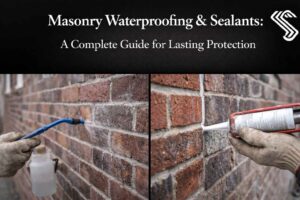
3. Breathable Masonry Waterproof Coatings
Professional-grade silane/siloxane treatments:
- Penetrate deep into masonry pores
- Repel water while allowing vapor transmission
- Prevent trapped moisture and blistering
Unlike paint, these coatings do not change the appearance of brick or stone.
Foundation Waterproofing and Leak Prevention
Waterproofing must extend beyond façades. Foundation walls are one of the most common sources of chronic leaks.
Professional foundation waterproofing may include:
- Exterior membrane systems
- Drainage board installation
- Weeping tile or French drain systems
- Interior crack sealing and vapor barriers
Proper foundation drainage reduces hydrostatic pressure and prevents water from forcing its way into masonry walls.
You Can Also Read About: Expert Guide to Facade Restoration Contractors
The Role of Flashing, Sealants, and Drainage
Waterproofing fails without proper detailing. Skilled contractors ensure:
- Flashing is installed above windows, doors, and shelf angles
- Expansion joints are properly sealed
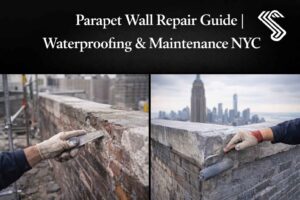
- Copings and parapet caps are watertight
- Water is directed away from the building envelope
These details are often overlooked but are essential for long-term leak prevention.
Waterproofing Historic and Older Masonry Buildings
Historic masonry requires specialized treatment. Inappropriate waterproofing products can trap moisture and accelerate damage.
Best practices include:
- Mortar analysis before repointing
- Lime-based compatible materials
- Vapor-permeable waterproof coatings
- Minimal-impact application techniques
Preservation-focused waterproofing protects historic fabric while improving performance.
Preventive Maintenance vs. Reactive Leak Repairs
One of the biggest mistakes property owners make is waiting for interior leaks before acting. Preventive waterproofing offers measurable benefits:
| Preventive Waterproofing | Reactive Repairs |
|---|---|
| Lower long-term costs | Higher emergency expenses |
| Extends façade lifespan | Repeated patchwork |
| Protects interiors | Interior damage already occurred |
| Improves compliance | Risk of violations |
Routine inspections and maintenance of waterproofing programs significantly reduce future repair costs.
Choosing the Right Masonry Waterproofing Contractor
Not all contractors understand masonry science. Qualified waterproofing specialists should offer:
- Masonry-specific experience (not general painting)
- Moisture diagnostics and façade assessments
- NYC code and FISP knowledge
- Proven material compatibility
- Documented project experience
Waterproofing done incorrectly can cause more damage than doing nothing at all.
How Long Do Masonry Waterproofing Systems Last?
When properly applied:
- Penetrating waterproofers last 10–15 years
- Sealants require periodic maintenance
- Repointed joints extend wall life 30+ years
Longevity depends on surface preparation, product selection, and environmental exposure.
Final Thoughts
Masonry waterproofing is one of the most cost-effective investments a building owner can make. By preventing water intrusion, you protect:
- Structural integrity
- Interior finishes
- Occupant health
- Property value
- Regulatory compliance
Professional waterproofing is not a one-size-fits-all solution—it is a custom-engineered system tailored to each building’s materials, age, and exposure.
About Spark Restoration Inc
Spark Restoration Inc specializes in professional masonry waterproofing, façade restoration, and leak prevention solutions for residential, commercial, and historic buildings across NYC. Our approach combines technical expertise, material science, and long-term performance planning.
(FAQs)
1. What is masonry waterproofing, and how does it work?
Masonry waterproofing is the process of applying breathable sealers and protective systems to brick, stone, and mortar surfaces. These treatments block water penetration while allowing trapped moisture to escape, preventing long-term structural damage.
2. Can masonry waterproofing stop existing wall or basement leaks?
Yes. When combined with crack repair, mortar repointing, and proper surface preparation, masonry waterproofing can effectively stop active leaks and prevent future moisture intrusion.
3. How long does masonry waterproofing last?
Professional masonry waterproofing typically lasts 7 to 15 years, depending on exposure, building condition, and the type of waterproofing product used. Periodic inspections help extend its lifespan.
4. Is masonry waterproofing safe for historic or landmark buildings?
Absolutely. Modern breathable waterproofing systems are specifically designed for historic masonry, ensuring compliance with preservation standards while protecting original materials.
5. When should I waterproof my masonry—only after damage appears?
Preventive waterproofing is highly recommended. Applying waterproofing before visible damage appears helps avoid costly repairs, structural deterioration, and interior water issues.