

NYC Façade Repair & Restoration: What’s Failing and How It’s Fixed?
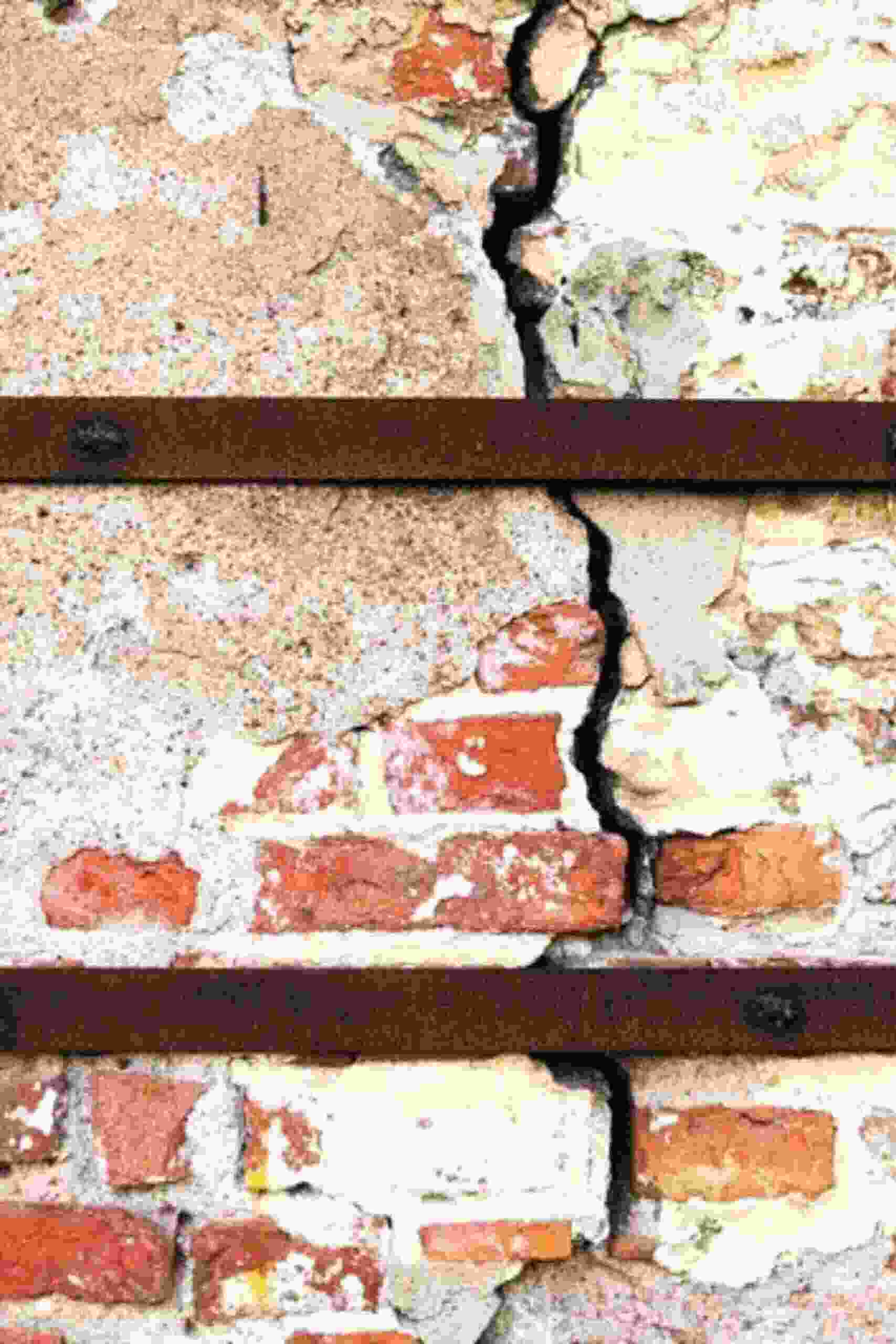
New York City façades rarely fail all at once—they signal first: hairline cracks, rust staining, damp interior edges, and small chips at parapets. Left alone, those signals become loose material, wider movement, and repeat leaks at joints. Our approach is to confirm the cause, set repair boundaries, and restore the building envelope so it performs through winter freeze-thaw and heavy rain. This is designed for occupied properties where access, staging, and pedestrian protection must be controlled. It avoids cosmetic patchwork and focuses on stable substrates, compatible materials, and verified transitions.
What does This Service Actually cover?
Façade repair and restoration is the process of evaluating a building’s exterior wall system, removing failing sections, and correcting damage so the façade is safe, watertight, and durable. In New York City, this typically involves addressing cracks, spalling, open joints, moisture intrusion, and material decay in brick, stone, and concrete assemblies. Depending on the conditions, corrective work may include repointing, crack repair, localized concrete restoration, and protective treatments that reduce future weather exposure damage—helping prevent larger structural issues and preserving long-term property performance. This scope is strictly corrective: it targets distressed façade areas and their interfaces, not cosmetic upgrades or unrelated exterior work.
Included (typical):
- Controlled removal of loose or unsound sections back to the stable substrate
- Localized repair/rebuild to restore continuity and structural integrity
- Crack and displacement correction where movement is confirmed
- Joint and transition repairs where water pathways are verified
- Integration of compatible materials to match the existing assembly’s behavior
- Targeted reinforcement was used where needed for durability and long-term performance.
Excluded (intentional boundaries):
- Interior finishes, tenant work, or general remodeling
- Roof replacement programs, window change-outs, or mechanical scope
- Broad “exterior makeovers” that aren’t tied to façade distress or safety risk
In New York City, a good scope is a risk-control tool. If you’re comparing Façade Repair & Restoration contractors NYC, insist on clear inclusions/exclusions so the project does not drift into a vague “we’ll fix whatever we see” arrangement.
Execution Process
- Inspection: We perform a condition-led field review to locate active distress, unsafe zones, and moisture entry points. Access planning is part of the work in NYC, because the best repair plan is useless if you cannot safely validate what’s failing.
- Assessment: We connect symptoms to drivers (freeze-thaw cycling, corrosion expansion, movement, joint failure, past incompatible patching). Then we define a repair limit line that stops the job from ballooning across the elevation without justification.
- Execution: Work is delivered as controlled removal, substrate preparation, repair/rebuild, and reintegration—sequenced to keep the building protected and the site safe. Details at transitions are treated as critical, because that is where most failures restart.
- Quality verification: We confirm alignment, continuity, interface integrity, and closeout conditions. Verification is not “looks fine from the sidewalk.” It is checking the points that actually govern performance.
Closeout documentation (what you should expect):
- Photo-supported before/after records of corrected areas
- Notes on observed conditions that affected scope decisions
- Confirmation of repaired interfaces and transitions where water exposure was active
- A punch-list approach for any deferred items tied to access timing or site constraints
This is how you keep the work auditable and prevent the same defects from reappearing under the next weather cycle.
How We Choose Repair Techniques Without Handing You a DIY Checklist?
Façade repair is not one technique; it is a selection problem. In NYC, the wrong method can look “fixed” and still fail under the first hard season. Paint is not structural glue, and sealant is not a substitute for a stable substrate.
We select technique categories based on observed distress patterns, substrate condition, and exposure profile:
- Stabilize vs. rebuild: determined by whether the substrate can reliably support the repaired area.
- Moisture-path control: detailing decisions at joints, edges, and penetrations where water routes repeat
- Compatibility management: selecting materials that behave like the existing assembly to avoid accelerated cracking or debonding
- Sequencing for occupied sites: work planning that preserves protection, access, and safety standards without shortcuts
If a contractor cannot explain their method selection in plain terms, the job becomes an experiment. Experiments are expensive in New York City.
Problems This Service Solves in NYC Buildings
Thermal swings, wind-driven rain, freeze-thaw action, and constant vibration from dense urban activity stress NYC façades. Add aging building stock and decades of patch repairs, and repeat failure becomes common.
This service directly addresses:
- Spalling, delamination, and surface loss that create falling-object risk
- Cracking and displacement are linked to movement or weakened substrate zones.
- Chronic leakage at joints and transitions where failures recur after “simple sealing.”
- Deterioration around embedded elements where corrosion drives expansion damage
- Prior repairs using incompatible materials that reduce durability instead of improving it
- Conditions that trigger safety concerns during routine condition reviews and enforcement cycles
Urban constraints are part of the problem set: tight staging footprints, pedestrian protection needs, restricted work windows, and occupied buildings. The scope is built around those realities, not written as if the site is an empty field.
Real Benefits
Safety and risk reduction: Correcting loose and failing areas reduces exposure to incidents and aligns the façade with safety standards expected in high-foot-traffic environments.
Compliance support: Work is planned with local regulations in mind, and decisions are documented so the scope is defensible rather than improvised.
Longevity under real exposure: Repairs are designed for durability under ongoing NYC weather exposure, with attention to interfaces that govern long-term performance.
Cost control through discipline: Targeted boundaries prevent uncontrolled scope growth. This is how you avoid paying twice—once for a temporary patch and again for the proper correction.
Property protection: Moisture pathway corrections at critical transitions help prevent cascading deterioration that spreads damage into adjacent façade zones and drives bigger future work.
Benefits should read like outcomes, because outcomes are what protect the building and your budget.
NYC-Specific Considerations
Façade work in New York City is shaped by regulation, density, and access constraints that change how repairs must be executed.
- Code and enforcement environment (high-level): Planning and documentation must align with DOB expectations and façade safety obligations often associated with FISP/Local Law 11 context, without turning the job into paperwork theater.
- Weather exposure reality: Wind-driven rain and freeze-thaw cycling punish weak joints and mismatched assemblies; moisture control must be built into details.
- Residential vs. commercial differences: Residential sites usually demand tighter occupant protection and schedule sensitivity; commercial properties often require stricter logistics coordination and operating-impact controls.
- Access and density challenges: Sidewalk protection, staging, deliveries, and restricted work zones influence sequencing and complexity more than most owners expect.
If you found us by searching Façade Repair & Restoration service specialists near me, these NYC constraints are exactly why method discipline matters more than lowball scopes.
Cost Factors Without Pricing Claims
Façade work is priced by conditions and constraints, not by a generic “per square foot” promise. A proper inspection reduces uncertainty, but the drivers are consistent.
Primary cost factors include:
- Area and distribution: how many locations and how dispersed they are across the façade
- Condition severity: superficial distress versus deeper substrate compromise affecting structural integrity
- Materials: compatibility needs and matching requirements to support durability
- Complexity: corners, transitions, movement-sensitive zones, embedded elements, and interface detailing
- Access limitations: pedestrian protection, staging constraints, and restricted handling windows are common in NYC
- Verification and documentation: quality checks and closeout records tied to compliance expectations
If you also need broader work outside this page’s boundaries, route it through our exterior repair & renovation services (parent page) so this sub-service stays clean and non-cannibalizing.
Why Choose Us for This Service?
Selection should be based on execution control and accountability—not enthusiasm.
- Experience with NYC façade distress patterns and disciplined boundary definition that prevents scope drift
- Compliance-first delivery with clear documentation and alignment to safety expectations
- Quality control focuses on interfaces and transitions where failures typically restart
- Accountability through clear scope language, method transparency, and documented closeout conditions
If you need a Façade Repair & Restoration company NYC that treats this as a technical correction project—not a cosmetic “patch and hope”—this is the operating standard.
Request an Inspection or Estimate
If your façade shows active cracking, spalling, displacement, loose elements, or recurring water entry, the next step is a condition-based inspection that defines scope and risk clearly.
- Request inspection
- Request estimate
- Call now
Façade Repair & Restoration estimate NYC.