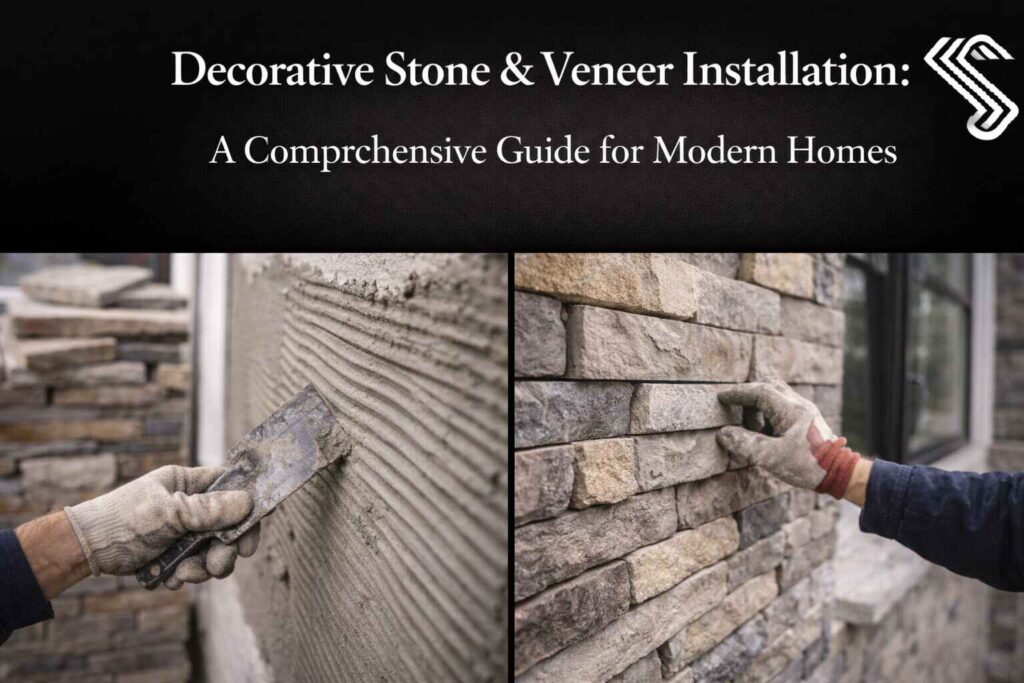
Decorative stone & veneer installation has become a popular choice for homeowners seeking to enhance the visual appeal of both indoor and outdoor spaces. This approach transforms plain walls into textured, elegant surfaces that reflect sophistication and style. With the rise of modern home design trends, property owners increasingly value solutions that combine aesthetics with long-term durability. Decorative stone veneers offer precisely this, providing natural beauty without the heavy burden of full-thickness stone.
Understanding the nuances of decorative stone & veneer installation is essential for achieving high-quality results. Choosing between natural and manufactured stone, selecting appropriate adhesives, and planning the layout carefully are critical steps. Proper installation ensures not only a visually pleasing outcome but also structural stability and reduced maintenance needs over time.
Additionally, decorative stone & veneer installation is versatile. It can accentuate living rooms, fireplaces, kitchen backsplashes, and outdoor façades alike. Homeowners benefit from enhanced property value, while enjoying creative freedom in design choices. This guide provides in-depth insights, practical tips, and cost considerations for anyone exploring decorative stone & veneer solutions.
What is Decorative Stone & Veneer?
Decorative stone & veneer refers to thin layers of stone applied to walls, columns, and surfaces to replicate the appearance of full stone construction. It combines the natural appeal of stone with practical advantages, such as reduced weight, easier installation, and affordability. Stone veneers are available in natural options, including slate, marble, granite, and limestone, or manufactured alternatives, which are molded to mimic real stone textures.
Key features of decorative stone & veneer include:
- Lightweight design for walls and facades
- Variety of colors, textures, and patterns for creative applications
- Compatibility with both indoor and outdoor installations
- Long-lasting durability with minimal structural impact
Using decorative stone & veneer, homeowners can achieve a luxurious look without the cost or complexity associated with full-thickness stone. It is increasingly applied in modern residential and commercial projects, including accent walls, garden façades, and fireplace surrounds.
Benefits of Decorative Stone & Veneer Installation
Decorative stone & veneer installation provides several practical and aesthetic benefits, making it a preferred choice for homeowners and designers.
- Visual Appeal: Adds depth, texture, and elegance to interiors and exteriors.
- Durability: Resistant to wear, moisture, and temperature fluctuations.
- Low Maintenance: Requires minimal cleaning and periodic sealing.
- Cost-Effective: Achieves premium stone look without full-thickness stone expense.
- Design Flexibility: Suitable for fireplaces, kitchens, bathrooms, patios, and garden walls.
- Eco-Friendly Options: Manufactured stone veneers often use recycled materials, reducing environmental impact.
By combining style, longevity, and affordability, decorative stone & veneer installation enhances property value while providing functional benefits. Homeowners gain both aesthetic satisfaction and practical advantages, making it a reliable choice for modern home design projects.
Types of Decorative Stone & Veneer
Decorative stone & veneer comes in several types, each suited for specific applications and budget considerations. Understanding the differences ensures proper selection for any project.
Natural Stone Veneer
Natural stone veneer uses authentic stone slabs cut thinly for wall installation. Materials include marble, granite, limestone, and slate.
Advantages include:
- Real stone appearance for premium aesthetics
- High durability and longevity
- Suitable for indoor and outdoor use
- Requires professional installation for best results
Natural stone is ideal for high-end projects where authenticity and durability are top priorities.
Manufactured Stone Veneer
Manufactured stone veneers are lightweight and molded to replicate natural stone textures.
Benefits include:
- Cost-effective alternative to natural stone
- Easier installation with adhesive or mortar
- Lightweight and DIY-friendly
- Available in diverse colors and textures
These veneers are ideal for budget-conscious projects and homeowners seeking simpler installation options.
Thin Stone Veneer vs. Full-Thickness Stone
- Thin Veneer: Easier to handle, lower structural load, suitable for accent walls and fireplaces
- Full-Thickness Stone: Heavier, requires structural support, used for high-end or exterior walls
Selecting the right type balances cost, appearance, and installation complexity.
Step-by-Step Decorative Stone & Veneer Installation Guide
Proper installation is critical to achieving durable and visually appealing results. Following a structured approach reduces errors and ensures a professional finish.
1. Preparation & Surface Assessment
- Inspect walls for cracks, moisture, or structural issues
- Clean surfaces and remove dust, debris, or loose paint
- Apply moisture barrier for exterior applications
- Gather essential tools: trowel, adhesive, mortar, level, measuring tape
Surface preparation ensures a strong foundation and prevents future problems such as peeling or water damage.
2. Measuring & Planning the Layout
- Measure wall dimensions and create a layout plan
- Decide on stone patterns, spacing, and placement
- Pre-cut stones to fit edges and corners
- Account for staggered joints to achieve natural appearance
Planning reduces installation mistakes and ensures uniform coverage.
3. Applying Adhesive & Placing Veneer
- Use recommended adhesive or mortar for wall type
- Start at the bottom, pressing stones firmly into place
- Check alignment frequently with a level
- Stagger seams and joints for a natural look
Proper adhesion and placement ensure longevity and prevent loose stones.
4. Finishing & Sealing
- Apply grout or mortar to fill gaps
- Clean excess residue immediately
- Seal stone surfaces for moisture and stain protection
- Inspect and touch up areas for a polished finish
Sealing enhances durability and maintains aesthetic appeal over time.
Decorative Stone & Veneer Installation Cost
Cost varies based on material type, wall size, and complexity of installation.
Typical ranges include:
- Natural Stone Veneer: $15–$30 per sq. ft.
- Manufactured Stone Veneer: $6–$15 per sq. ft.
- Professional Labor: $5–$15 per sq. ft.
Cost factors include wall preparation, design complexity, regional labor rates, and additional materials such as sealants or grout. Homeowners performing DIY installation can save 30–50% of labor costs but must account for tools and learning curves.
A cost-effective approach involves comparing materials, exploring manufactured stone options, and leveraging DIY guidance where appropriate. This ensures high-quality results without overspending.
Design Ideas & Inspirations
Decorative stone & veneer offers flexibility to enhance various spaces.
Popular applications include:
- Indoor: Accent walls, fireplaces, kitchen backsplashes, bathroom walls
- Outdoor: Garden walls, patio facades, entrance façades, retaining walls
- Modern Trends: Mixed textures, stacked stone patterns, natural tones, geometric designs
By combining creativity and practical planning, homeowners can integrate stone veneers into contemporary or classic designs. Visualization tools, such as sketches or 3D software, can help achieve harmonious layouts.
Maintenance Tips for Decorative Stone & Veneer
Maintaining decorative stone & veneer is essential for ensuring longevity and keeping walls looking polished. Proper care preserves both aesthetics and structural integrity, reducing long-term costs.
- Regular Cleaning: Use a soft brush or mild detergent to remove dust and debris. Avoid abrasive chemicals that can damage stone surfaces.
- Sealing: Apply a high-quality sealant every 2–3 years for indoor and outdoor applications. Sealing prevents moisture penetration, stains, and discoloration.
- Inspection: Periodically check grout lines and adhesive areas for cracks or gaps. Prompt repairs prevent water damage and deterioration.
- Avoid Excessive Moisture: Ensure outdoor walls have proper drainage and indoor walls are not exposed to excessive humidity.
Effective maintenance extends the life of decorative stone & veneer installations while enhancing the overall look of a home or commercial space.
DIY vs. Professional Decorative Stone & Veneer Installation
Choosing between a DIY project and hiring a professional depends on factors such as skill level, budget, and project size.
DIY Installation Advantages:
- Lower labor costs
- Flexibility to work on your own schedule
- Hands-on learning experience
Professional Installation Advantages:
- Faster completion and consistent results
- Proper handling of heavy materials
- Reduced risk of errors, structural damage, or uneven placement
Considerations for Decision:
- Small accent walls and indoor projects may be manageable for experienced DIYers
- Large outdoor façades or intricate patterns often require professionals
- Tools, safety, and adherence to proper installation methods are crucial
Choosing wisely ensures both aesthetic satisfaction and long-term durability of decorative stone & veneer projects.
Common Mistakes to Avoid in Decorative Stone & Veneer Installation
Even experienced installers can make errors that compromise appearance and durability. Awareness of common mistakes prevents costly corrections.
- Insufficient Surface Preparation: Skipping cleaning or neglecting moisture barriers can cause detachment or water damage.
- Incorrect Adhesive or Mortar: Using the wrong adhesive reduces bond strength, leading to loose stones.
- Ignoring Layout Planning: Poor measurement or random placement can create uneven or unprofessional results.
- Skipping Sealing: Failing to seal stone surfaces accelerates wear, staining, and weathering.
- Improper Joint Staggering: Straight joints look unnatural and compromise wall aesthetics.
Addressing these mistakes during planning and execution ensures a polished, durable, and visually appealing installation.
Advanced Tips for Stunning Decorative Stone & Veneer Walls
Homeowners seeking to elevate their decorative stone & veneer installations can incorporate advanced design and installation techniques:
- Mix Materials: Combine natural and manufactured stones for unique textures and patterns.
- Feature Walls: Highlight fireplaces, entryways, or living room focal points with accent veneers.
- Lighting Effects: Use LED strips or spotlighting to accentuate textures and create depth.
- Complementary Décor: Pair stone walls with wood, metal, or glass for modern aesthetics.
- Outdoor Enhancements: Incorporate landscaping and garden lighting to highlight exterior stone walls.
These strategies increase visual impact, create professional-looking installations, and boost overall property appeal.
Case Studies & Real-Life Applications
Examining successful decorative stone & veneer installations provides insight and inspiration:
- Living Room Feature Wall: A stacked stone veneer wall around a fireplace created a focal point while maintaining a cozy atmosphere.
- Outdoor Patio Walls: Manufactured stone veneers provided a low-weight, budget-friendly solution for garden façades and seating areas.
- Kitchen Backsplash: Thin natural stone veneer offers a durable, elegant surface resistant to heat and spills.
These examples illustrate practical applications, cost considerations, and installation techniques that homeowners can replicate. Case studies highlight design flexibility and functional advantages of decorative stone & veneer.
Conclusion
Decorative stone & veneer installation transforms ordinary walls into elegant, durable, and visually appealing surfaces. Proper selection, planning, and installation ensure long-lasting results, whether for indoor accent walls, outdoor patios, or feature façades. Homeowners benefit from increased property value, creative design flexibility, and functional durability.
By understanding the types of veneers, installation techniques, cost considerations, and maintenance requirements, individuals can make informed decisions for both DIY and professional projects. Incorporating modern design trends, lighting, and complementary décor maximizes aesthetic impact.
Ultimately, decorative stone & veneer installation combines style, functionality, and value, providing homeowners with a timeless solution that enhances any living space. With careful planning and execution, any project can achieve professional-level results that are both practical and visually stunning.