
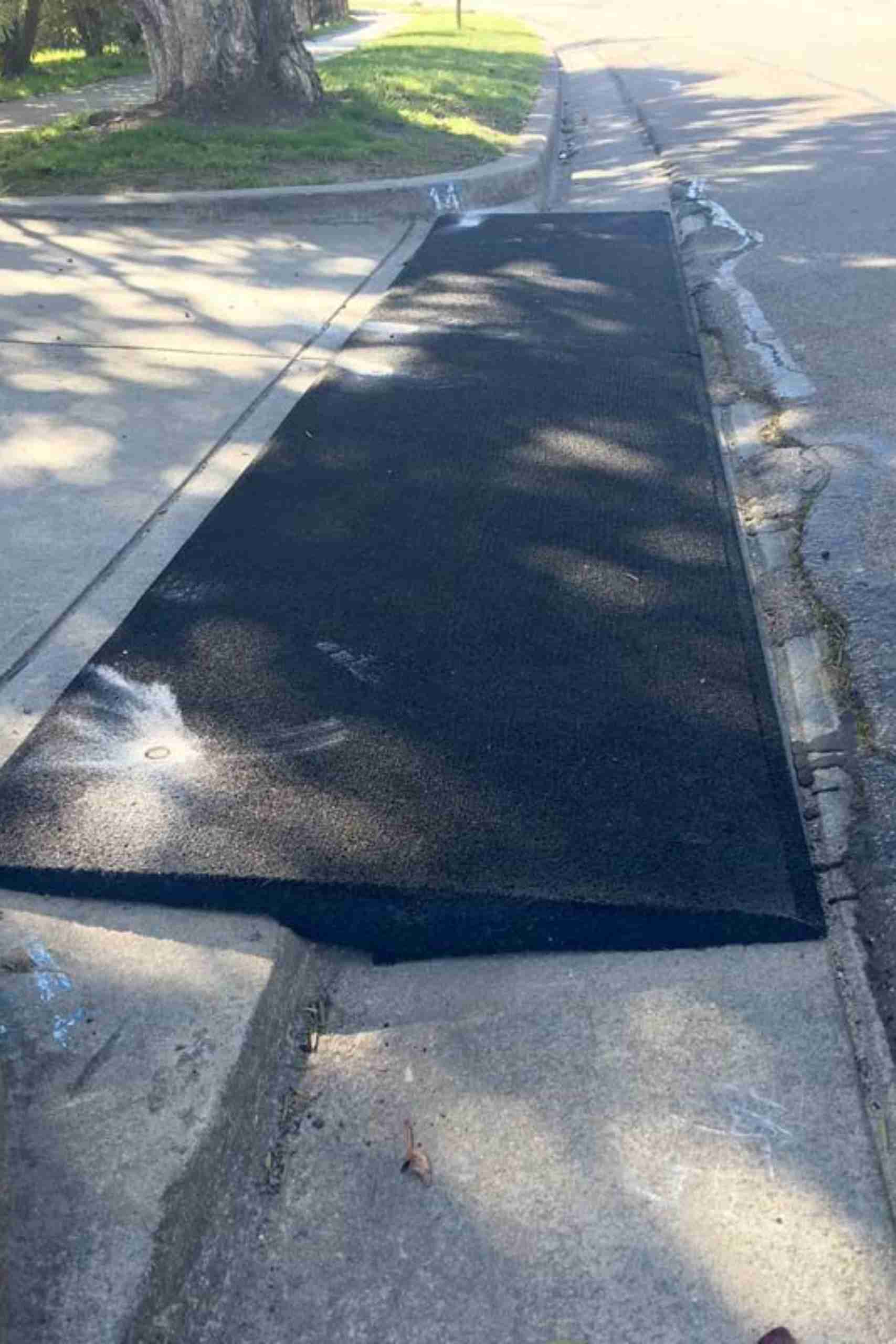

A Complete Guide to Curb & Apron Restoration Services in New York
If you’ve ever strolled down a New York street and noticed crumbling curbs, cracked aprons, or uneven edges near driveways, you know that it’s more than just an eyesore. It’s a hazard. That’s where Curb & Apron Restoration Services come in. At Spark Restoration Inc., we specialize in making sure these crucial—but often overlooked—parts of your property are safe, functional, and downright attractive. Let’s dive into everything you need to know about curb and apron restoration, NYC-style.
What Exactly Are Curb & Apron Restoration Services?
You might be wondering, “Okay, I get sidewalks, but what’s the deal with curbs and aprons?” Good question. Think of curbs as the frame that holds streets and sidewalks together. They channel water, prevent erosion, and help organize traffic flow. Aprons? They’re the transitional spaces connecting your driveway to the street, the first thing people notice when they pull up to your property.
Curb & Apron Restoration Services involve repairing, leveling, or replacing damaged curbs and aprons. Over time, weather, tree roots, salt, and heavy traffic can wreak havoc, creating cracks, dips, and broken sections. If ignored, these problems can lead to fines from NYC DOT, trip hazards, and serious water drainage issues.
Why You Can’t Ignore Damaged Curbs & Aprons?
Here’s the thing: curbs and aprons might seem like minor details, but they play a huge role in your property’s safety and aesthetic appeal. A cracked apron isn’t just an eyesore—it can damage vehicles. A broken curb? That’s a potential lawsuit waiting to happen if someone trips or twists an ankle.
In New York City, proper maintenance is also a legal requirement. The DOT is serious about street and property safety. Having your curbs and aprons restored not only keeps you compliant but also protects your property value. Plus, let’s be honest: a neat, smooth driveway edge looks professional. People notice.
Signs You Need Curb & Apron Restoration
Do your curbs or aprons need professional attention? Keep an eye out for:
- Cracks, chips, or holes in the concrete
- Uneven or sunken sections
- Visible tree roots pushing through
- Erosion or water pooling near edges
- Damage caused by cars, snowplows, or salt
If any of these sound familiar, it’s time to call in the experts. Trust me, leaving it until next spring is not going to make things better.
The Restoration Process
At Spark Restoration Inc., we approach every project with precision, care, and a bit of New York grit. Here’s a typical process:
- Inspection & Assessment: We walk your property, note all damage, and provide a transparent quote—no hidden fees.
- Preparation: Old concrete or asphalt is removed carefully to avoid damaging surrounding areas.
- Repair or Replacement: We pour new concrete or asphalt, level it perfectly, and ensure proper slope for drainage.
- Finishing Touches: Smooth edges, sealing, and any aesthetic adjustments.
- Final Inspection: We double-check every corner to make sure it’s safe, compliant, and visually appealing.
Each step is performed by licensed professionals who know New York regulations like the back of their hand. Whether it’s a residential property in Queens or a busy Manhattan corner, no project is too big or small.
Why Hire Local Experts?
You could technically Google “Curb & Apron Restoration Services near me” and find dozens of contractors. But here’s why working with a local NYC company like Spark Restoration Inc. makes a difference:
- Knowledge of Local Regulations: NYC DOT rules are strict, and we know the codes. No guesswork.
- Adaptation to NYC Challenges: Tree roots in Brooklyn, sloped streets in the Bronx, or heavy traffic in Manhattan—we’ve seen it all.
- Quick Response Time: Local presence means we can get on-site faster and minimize disruption.
- Trusted Reputation: Hundreds of satisfied NYC clients rely on our work.
Working with someone familiar with the city ensures your restoration is done right the first time.
Materials Matter: Concrete vs. Asphalt
Not all curbs and aprons are created equal. The material you choose affects longevity, maintenance, and aesthetics.
Here’s the lowdown:
- Concrete: Durable, long-lasting, and perfect for residential and commercial properties. Can be textured or colored to match surroundings.
- Asphalt: Flexible, cheaper upfront, and easier to repair later. Ideal for driveways and high-traffic areas.
At Spark Restoration Inc., we guide you through these choices based on your property’s needs, budget, and style.
Maintaining Your Curbs & Aprons Post-Restoration
Restoration is only part of the story. To keep your curbs and aprons in tip-top shape:
- Avoid parking heavy vehicles on fresh concrete for at least a week
- Clear debris and snow promptly to prevent cracking
- Regularly check for small cracks and fix them before they grow
- Schedule inspections every couple of years
A little preventative maintenance goes a long way in prolonging the life of your investment.
Real-Life NYC Story: From Hazard to Highlight
A few months ago, we worked on a property in Brooklyn where the apron had completely sunken due to a massive tree root. Cars scraping the edge was a daily headache. Within two days, our team removed the damaged concrete, leveled the soil, installed a new reinforced apron, and sealed it perfectly. The client was thrilled—not just for the functionality, but because it transformed the curb appeal entirely. That’s the magic of professional restoration.
Common Mistakes to Avoid
Here’s some friendly advice: don’t DIY it unless you’re confident in concrete and city codes.
Common pitfalls include:
- Using the wrong concrete mix for NYC weather
- Ignoring the proper slope for water drainage
- Skipping reinforcement for high-traffic areas
- Trying to save money by hiring unlicensed contractors
Trust me, it’s better to invest in professional restoration upfront than to deal with fines, injuries, or repeated repairs later.
Cost Considerations
You might be thinking: “Okay, but how much will this set me back?” Costs vary depending on:
- Size of the curb/apron
- Extent of damage
- Material choice (concrete vs. asphalt)
- Complexity of NYC street regulations
At Spark Restoration Inc., we provide transparent quotes, so you know exactly what you’re paying for—no hidden fees, no surprises.
Finding the Right Contractor
When searching for “Curb & Apron Restoration Services near me,” here’s what to look for:
- Licensed and insured professionals
- Positive reviews from NYC clients
- Experience handling DOT compliance
- Quick response times
- Clear communication and transparent pricing
We pride ourselves on ticking all these boxes for our clients, and we bring a mix of expertise, reliability, and a personal touch that makes projects smooth and stress-free.
Conclusion
Curb and apron restoration may not be glamorous, but it’s essential. It ensures safety, boosts curb appeal, prevents fines, and protects your investment. At Spark Restoration Inc., we bring New York expertise, precision, and a personal touch to every project. Whether you need minor repairs or full-scale restoration, we’ve got your curbs and aprons covered—literally.
Don’t wait until cracks turn into liabilities. Call us today and see why so many NYC property owners trust us for Curb & Apron Restoration Services that last.