

A Complete Guide About Your Cornice & Trim Repair Service in New York
If you’ve ever looked up at a New York brownstone or pre-war apartment and thought, “Wow, that building has character,” chances are… You were admiring its cornice or trim. Those ornate ledges, curved moldings, and intricate details lining the top edges of city buildings aren’t just decoration — they’re history, craftsmanship, and a little bit of architectural attitude all rolled into one.
But here’s the thing: time, weather, and good old NYC grit aren’t exactly gentle on them. That’s where Spark Restoration Inc. comes in — your local experts in Cornice & Trim Repair across New York.
We’re the folks who bring those elegant details back to life, one molding, bracket, or scroll at a time.
What Exactly Is a Cornice (and Why Should You Care)?
Let’s start with the basics — because, honestly, most people don’t think about their cornices until something starts cracking or falling off.
A cornice is that decorative edge or overhang at the top of a building’s wall — think of it like the crown molding of your home, just… bigger and outdoors. It helps direct rainwater away from the building façade and gives the structure a clean, finished look.
Trim, on the other hand, frames and accents doors, windows, and architectural lines. Together, they define your building’s personality — especially in New York, where every cornice tells a story of design eras past.
From the elegant cast-iron cornices of SoHo to the carved stone trims in Brooklyn brownstones, these elements make NYC architecture instantly recognizable. And repairing them isn’t just about looks — it’s about preserving history.
Why Cornices and Trims Need Regular Attention?
Here’s something many property owners don’t realize: cornices and trims are among the first parts of your building to suffer from wear and tear.
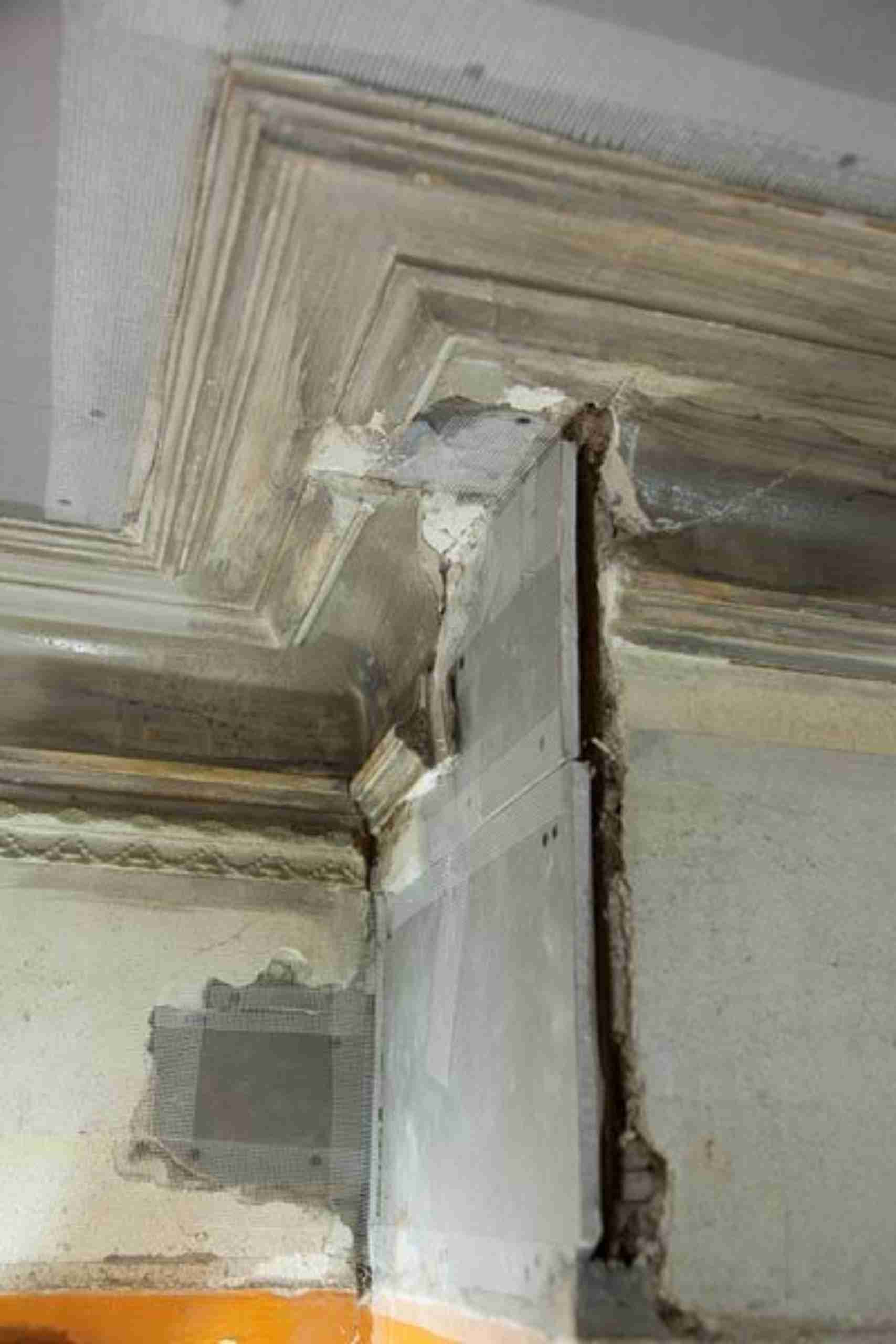
Between harsh winters, humid summers, and that occasional pigeon deciding your ledge is home, damage adds up. You might see cracks, peeling paint, corrosion, or even missing sections over time.
And when that happens? It’s not just a cosmetic issue.
Neglected cornices can lead to:
- Water leaks that seep into the façade
- Structural instability, especially if pieces loosen or fall
- Violations under NYC’s Local Law 11, which requires exterior safety inspections for high-rise buildings
- Expensive repairs later, if small problems aren’t caught early
So yeah — it’s worth keeping an eye up there every now and then.
Signs You Might Need Cornice & Trim Repair
Let’s play detective for a second.
If you’re wondering whether your building might be due for Cornice & Trim Repair Services, here are some telltale signs to look for:
- Flaking or bubbling paint (moisture’s favorite party trick)
- Rust or corrosion on metal cornices
- Crumbling or chipped decorative details
- Leaks along upper walls or window frames
- Loose or missing trim pieces
- Visible cracks or detachment from the façade
Even if the damage looks minor, small cracks can turn into big headaches if ignored. The sooner you fix them, the more you’ll save — in money, stress, and scaffolding.
The Spark Restoration Inc. Approach
At Spark Restoration Inc., we don’t believe in one-size-fits-all repairs. Every building has its own quirks — some are over a century old, others are sleek modern structures with aluminum trims.
Our process starts with a thorough inspection, where we evaluate the material (cast iron, wood, stone, or sheet metal), the extent of damage, and any potential safety hazards. Then, we develop a custom plan that preserves the architectural integrity while giving your exterior a fresh lease on life.
Here’s a quick peek at what we handle:
- Cornice repair and replacement (wood, metal, stone, or composite)
- Trim restoration and repainting
- Seam sealing and waterproofing
- Custom molding fabrication for missing or damaged sections
- Historic replication to match original design details
We also work closely with building owners, co-op boards, and architects to ensure the repair meets both NYC Local Law 11 and aesthetic goals.
Because let’s face it — New Yorkers love their buildings to look good.
What Makes a Great Contractor?
If you’ve ever typed “Cornice & Trim Repair Services near me” into Google, you’ve probably seen a dozen options pop up. So how do you choose the right one?
Here’s what to look for:
- Experience with historic architecture. NYC buildings are unique — your contractor should understand how to restore them without erasing their charm.
- Licensed & insured professionals. It’s non-negotiable, especially when scaffolding and façade work are involved.
- Knowledge of Local Law 11 compliance. You don’t want fines or violations on your hands.
- Portfolio of past projects. Ask to see photos or case studies. A good contractor’s work speaks for itself.
- Transparency. No hidden costs, no vague timelines — just honest communication.
At Spark Restoration Inc., that’s the foundation of everything we do. We treat every cornice like a work of art — because, in many ways, it is.
Materials Matter: Understanding What Your Cornice Is Made Of
Here’s where it gets interesting. Not all cornices are created equal, and the repair process depends heavily on what material your building uses.
- Wood cornices: Common in older row houses and brownstones. They require precision sanding, priming, and sealing to resist rot and insects.
- Metal cornices (tin, copper, or sheet metal): Durable but prone to rust or corrosion. We use rust inhibitors, welding, or replacements with weather-resistant coatings.
- Stone or cast stone cornices: These need careful masonry work, often involving patching or re-casting.
- Fiberglass or composite trims: Found in newer constructions; easy to maintain but need UV-resistant coatings.
Matching materials is crucial for both appearance and longevity. We use high-quality, locally approved materials that blend seamlessly with your façade — so repairs never stick out like a sore thumb.
A Little Story From the Field
A few years back, our team worked on a brownstone in Park Slope with a cornice that looked like it had survived three wars and a hurricane. Pieces were missing, rust had eaten through the metal, and pigeons had claimed part of it as prime real estate.
The owner wanted it restored — not replaced. That meant we had to custom-fabricate new sections that matched the original 19th-century design, right down to the ornamental scrollwork.
After weeks of careful restoration, painting, and sealing, it looked brand new — but still old in the best way possible. The owner said it made their building look “alive again.”
And that’s why we do what we do. It’s not just about fixing stuff — it’s about bringing stories back to life, one cornice at a time.
The Cost of Cornice & Trim Repair in NYC
Now, the million-dollar question (sometimes literally): How much does Cornice & Trim Repair cost in New York?
Well, it depends. Factors include:
- The material (metal and stone repairs usually cost more)
- The height and accessibility of your building
- The extent of damage
- Whether scaffolding or Local Law 11 compliance is needed
On average, minor repairs might run $2,000–$5,000, while full restoration projects can reach $20,000 or more for large historic properties.
But think of it this way: it’s an investment in your property’s safety, value, and charm. Plus, a beautifully restored cornice can seriously boost curb appeal — and resale potential.
Preservation vs. Replacement — What’s Right for You?
Sometimes, we get asked whether it’s better to replace a damaged cornice or restore the original. The answer? It depends on the condition and material.
- If the damage is surface-level (paint, rust, cracks), repairing is usually the smarter and more authentic choice.
- If the structure is compromised or falling apart, replacement may be safer and more cost-effective.
At Spark Restoration Inc., we’ll always advise you honestly. Our goal isn’t to upsell — it’s to help you make the right call for your building’s future.
Why Choose Spark Restoration Inc.?
You’ve probably gathered this by now, but we’re not just contractors — we’re craftsmen, preservationists, and lovers of old New York architecture.
Here’s why our clients trust us for Cornice & Trim Repair across NYC:
- We bring over a decade of specialized experience in façade restoration.
- Our team is fully licensed, insured, and Local Law 11 compliant.
- We use premium materials and time-tested techniques for long-lasting results.
- Every project comes with a detailed inspection report and a transparent estimate.
- And most importantly, we genuinely care about the buildings we work on.
Whether it’s a landmark brownstone in Harlem or a pre-war co-op in Queens, we treat every project like it’s part of New York’s living history.
Maintenance Tips to Keep Your Cornice Looking Sharp
Once your cornice and trims are restored, you’ll want to keep them that way. Here are a few easy maintenance tips:
- Inspect annually — especially after winter. Look for cracks, rust, or peeling paint.
- Clean gently. Avoid pressure washing, which can damage decorative details.
- Repaint or reseal every few years to prevent moisture damage.
- Trim nearby trees — falling branches can damage edges and details.
- Don’t ignore small problems. A loose piece today can become a falling hazard tomorrow.
A little care goes a long way — just like with most things in life.
Final Thoughts
Cornices and trims are like jewelry for your building — subtle, intricate, and incredibly important for that timeless New York look. Keeping them in shape isn’t just about aesthetics; it’s about safety, structure, and pride.
At Spark Restoration Inc., we’re honored to play a part in preserving the architectural beauty of this city — one cornice at a time. Whether you need a quick touch-up or a full restoration, we’re just a call (or search for “Cornice & Trim Repair Services near me”) away.
Because when it comes to keeping your building’s story alive, we don’t just repair — we restore.