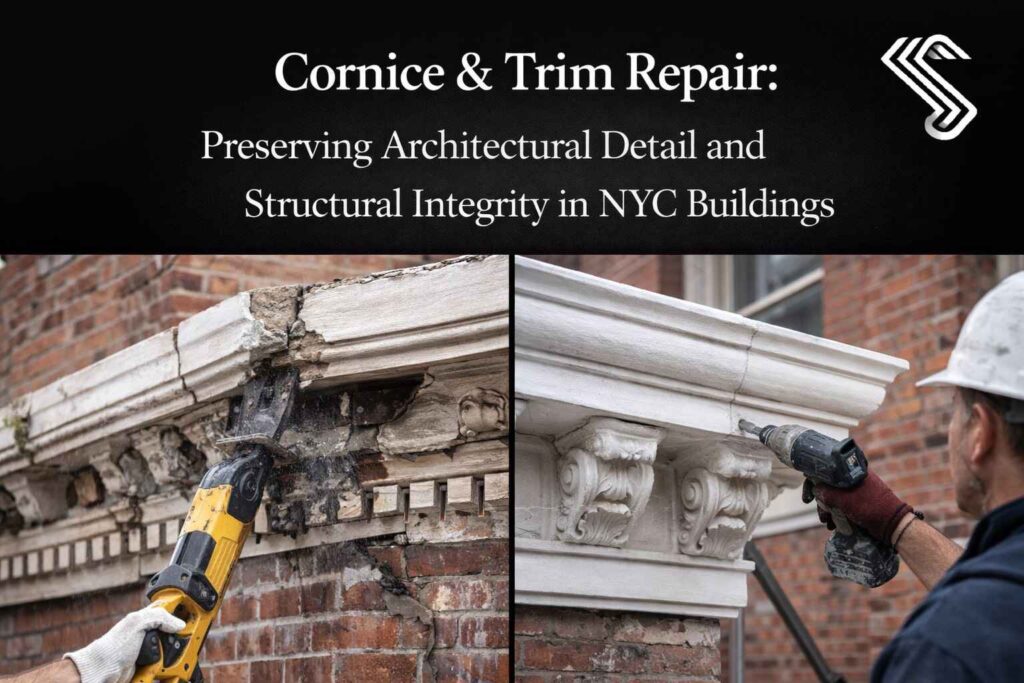
Cornices and exterior trim are not decorative afterthoughts; they are engineered architectural elements that protect façades from water infiltration while defining a building’s character. In dense urban environments like New York City, aging cornices and deteriorated trim are among the most common—and most dangerous—façade failures. Proper cornice & trim repair preserves structural safety, prevents water damage, and ensures compliance with NYC building regulations.
At Spark Restoration INC, cornice restoration is treated as both a structural repair and a preservation craft, balancing safety, durability, and historic accuracy.
What Are Cornices and Exterior Trim?
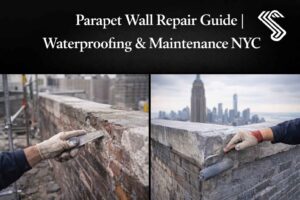
A cornice is the projecting horizontal element at the top edge of a building, designed to shed water away from the façade. Exterior trim includes decorative moldings, window surrounds, belt courses, brackets, and parapets that frame and protect masonry openings.
Common materials include:
- Terra cotta
- Cast stone
- Sheet metal (copper, galvanized steel)
- Wood (historic buildings)
- Fiber cement and GFRC (modern replacements)
Each material behaves differently under moisture, temperature swings, and structural movement.
Common Causes of Cornice & Trim Deterioration
Cornice failure rarely happens overnight. In NYC, deterioration accelerates due to a combination of environmental and structural factors:
- Freeze–thaw cycles cause expansion cracks
- Water infiltration from failed flashing or sealants
- Corrosion of embedded metal anchors
- Settlement movement in older masonry buildings
- Deferred maintenance over decades
Once moisture penetrates behind cornices or trim, internal corrosion can lead to spalling, cracking, and detachment.
Why Cornice Failures Are a Serious Safety Risk in NYC?
Loose cornices and trim pose a public safety hazard, especially on high-traffic streets and sidewalks. Falling façade elements can result in:
- Emergency violations from NYC DOB
- Sidewalk shed installation orders
- Costly insurance claims
- Legal liability for property owners
NYC’s Façade Inspection & Safety Program (FISP / Local Law 11) specifically identifies cornices as high-risk components requiring close inspection.
Signs Your Cornice or Trim Needs Immediate Repair
Property owners should watch for these warning signs:
- Horizontal or stepped cracks near rooflines
- Rust stains bleeding through masonry
- Loose or missing decorative elements
- Water staining on upper-floor interiors
- Bulging or displaced trim profiles
Early intervention can reduce repair costs by 30–50% compared to full replacement.
Cornice & Trim Repair Methods Used by Professionals
Professional cornice repair is a staged, methodical process:
1. Detailed Condition Assessment
Includes probe testing, anchor evaluation, moisture mapping, and material identification.
2. Stabilization & Safety Measures
Temporary bracing, controlled removals, and protective sidewalk measures are installed if required.
3. Material-Specific Repairs
- Terra cotta: Dutchman repairs, epoxy pinning, replication
- Cast stone: Patch repairs or recasting
- Metal cornices: Rust abatement, section replacement, repainting
- Wood trim: Epoxy consolidation or selective replacement
4. Waterproofing & Reassembly
High-performance sealants, flashing integration, and expansion joints are installed to prevent recurrence.
Historic Cornice Restoration in New York City
In neighborhoods like Brooklyn Heights, Harlem, Upper West Side, and SoHo, cornices are protected architectural features. Restoration must follow Landmarks Preservation Commission (LPC) guidelines.
Key considerations include:
- Matching original profiles and dimensions
- Using compatible materials
- Preserving historic fastener systems where possible
At Spark Restoration Inc., molds and custom fabrications are often created to replicate historic trim accurately.
Modern Replacement Options for Severely Damaged Cornices
When original elements are beyond repair, modern replacements offer durability without sacrificing aesthetics:
| Material | Advantages | Typical Lifespan |
|---|---|---|
| GFRC | Lightweight, moldable, durable | 40–60 years |
| Fiber Cement | Moisture resistant | 30–40 years |
| Aluminum | Corrosion resistant | 50+ years |
Proper anchoring and waterproofing remain critical regardless of material choice.
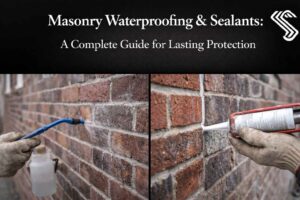
Waterproofing & Sealants: The Hidden Key to Long-Lasting Repairs
Cornice repairs fail prematurely when waterproofing is ignored. Professional systems include:
- Elastomeric joint sealants
- Stainless steel flashing
- Drip edges and cap flashings
- Vapor-permeable coatings
Correct slope and drainage design ensure water is directed away from façade surfaces.
NYC Code Compliance & Façade Regulations
Cornice work in NYC must comply with:
- NYC Building Code
- Local Law 11 / FISP requirements
- DOB permits and inspections
- Landmark approvals (if applicable)
Non-compliant repairs can invalidate inspections and trigger violations.
Choosing the Right Cornice Repair Contractor in NYC
Look for contractors who offer:
- Licensed & insured façade specialists
- In-house fabrication capability
- Proven Local Law 11 experience
- Detailed repair documentation
- Long-term maintenance planning
Spark Restoration Inc. approaches cornice repair as a lifecycle investment, not a cosmetic patch.
Preventive Maintenance Programs for Cornices & Trim
Routine inspections every 3–5 years significantly extend service life. Maintenance plans typically include:
- Sealant renewal
- Anchor inspections
- Protective coatings
- Minor crack repairs
Preventive maintenance costs a fraction of emergency repairs.
Conclusion
Cornices and exterior trim are the architectural crown of NYC buildings. Ignoring their condition risks safety, compliance, and long-term damage. With expert assessment, material-appropriate repairs, and proper waterproofing, cornice restoration preserves both structural integrity and historic character.
Spark Restoration Inc. delivers code-compliant, durable, and architecturally accurate cornice & trim repair solutions tailored for New York City buildings.