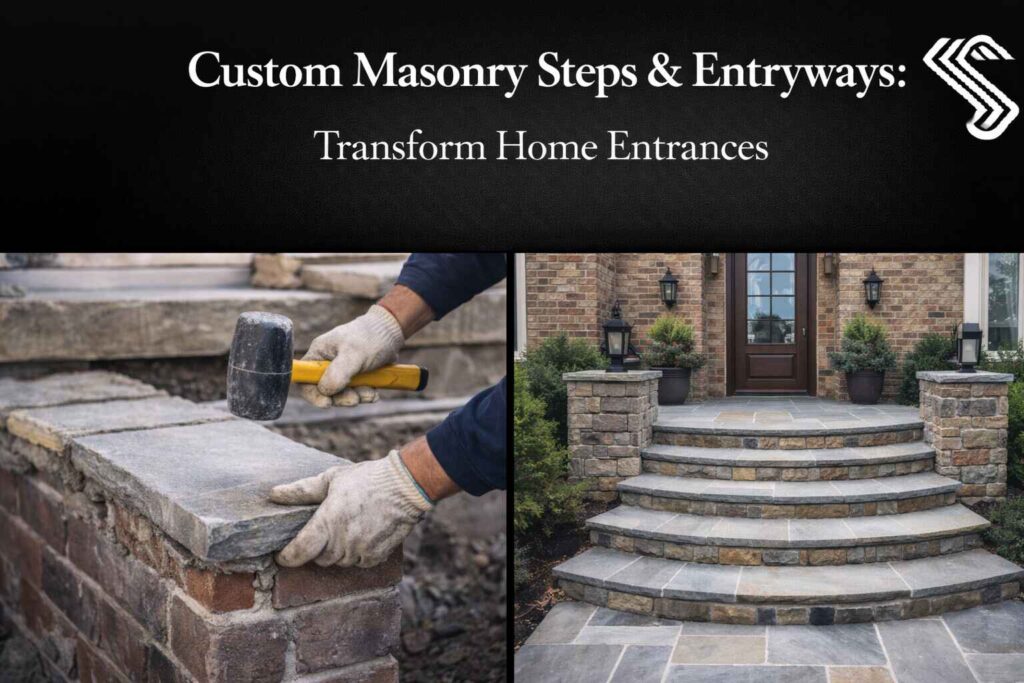
Creating a lasting impression begins at the entrance of a home. Custom masonry steps and entryways are not just practical additions—they are transformative features that combine aesthetic appeal, functionality, and durability. Modern homeowners are increasingly opting for tailored designs that reflect their personal style while accommodating the latest trends in materials, textures, and outdoor architecture.
Recent studies in home design show that well-designed entryways can increase property value by up to 7–10%, with materials and craftsmanship playing a crucial role. Whether you choose stone, brick, or concrete, each option offers unique advantages in longevity, safety, and visual impact. Beyond the materials, layout, lighting, and landscape integration are now critical elements of an entryway that feels welcoming and contemporary.
The rise of outdoor living and home renovation trends has amplified the popularity of custom masonry projects. Today, homeowners look for designs that are both functional and Instagram-worthy, blending traditional craftsmanship with modern touches like integrated lighting, eco-friendly materials, and anti-slip surfaces. In this guide, we explore the latest trends, materials, design ideas, installation tips, and maintenance strategies to help you create an entryway that stands out.
Why Choose Custom Masonry Steps & Entryways?
Custom masonry steps and entryways go beyond ordinary stairs—they are statements of style and quality. Unlike prefabricated options, custom-built steps are tailored to the home’s architecture, the property’s layout, and the homeowner’s personal aesthetic.
Key Benefits:
- Enhanced curb appeal: A professionally designed entryway immediately elevates the home’s exterior.
- Durability: Proper masonry withstands harsh weather, foot traffic, and seasonal changes.
- Personalization: Materials, shapes, colors, and textures can be customized to reflect the homeowner’s taste.
- Safety: Anti-slip surfaces, railings, and proper step dimensions prevent accidents.
In addition to these advantages, custom masonry steps provide a cohesive look with surrounding landscaping, integrating patios, gardens, and outdoor lighting. Homeowners are increasingly focused on creating entrances that are both inviting and functional, responding to the modern emphasis on safety, longevity, and outdoor aesthetics.
Which Materials Are Best for Masonry Steps & Entryways?
Selecting the right materials is essential for durability, style, and maintenance efficiency. Here are the most popular options in 2026:
1. Stone
- Types: Granite, Limestone, Sandstone
- Pros: Extremely durable, natural textures, and weather-resistant
- Ideal for: Traditional, rustic, or high-end modern designs
- Maintenance: Periodic sealing recommended to prevent staining
2. Bric
- Pros: Classic aesthetic, color variety, easy to match with home exteriors
- Ideal for: Colonial, traditional, or historic-style homes
- Maintenance: Cleaning and occasional mortar repairs; highly durable
3. Concrete
- Types: Stamped, Colored, Polished
- Pros: Affordable, highly versatile, customizable shapes and finishes
- Ideal for: Contemporary or minimalist homes, modern outdoor designs
- Maintenance: Low, requires occasional sealing
Actionable Tip: For climates with heavy rain or frost, stone or textured concrete is preferred due to superior weather resistance. Brick is better suited for temperate regions and adds a timeless charm.
Design Ideas for Modern Custom Masonry Steps & Entryways
Design is no longer limited to basic rectangular stairs. Today, creative layouts and integrated features define the modern entryway. Combining functionality with elegance is key.
Trending Design Concepts:
- Curved Steps: Softens the entrance and creates a welcoming flow
- Tiered Steps: Adds dimension and grandeur to front gardens
- Integrated Planters: Combines greenery with masonry for natural aesthetics
- Lighting Features: LED step lights or under-rail lighting enhances safety and style
- Mixed Materials: Combining stone with concrete or metal accents for contemporary looks
Actionable Insight: Consider the overall scale of your home and pedestrian traffic patterns. Multi-level or split designs can make a large entrance feel approachable, while single straight steps are ideal for smaller front yards.
How to Ensure Safety and Longevity in Masonry Steps?
Safety and durability are top priorities in any masonry project. Modern custom entryways combine design aesthetics with practical safety measures.
Safety Recommendations:
- Step Dimensions: Consistent riser heights and tread widths prevent tripping
- Anti-Slip Surfaces: Textured stone, stamped concrete, or special coatings reduce accidents
- Railings and Handrails: Add for support, particularly for tiered or curved steps
- Drainage Solutions: Prevent water accumulation that can cause structural damage
- Seasonal Maintenance: Regular cleaning, sealing, and winter preparation
Homeowners should also consult with certified masons or landscape architects to ensure professional-grade installation, which significantly increases the lifespan of masonry steps. Proper planning and quality materials guarantee an entrance that is both stylish and safe for years.
Top Trends in Masonry Steps & Entryways for 2026
Industry reports from Home Design Trends 2026 and Houzz Remodeling Insights highlight a few key trends shaping modern custom entryways:
Trending Elements:
- Sustainable Materials: Recycled stone, eco-friendly concrete, low-VOC sealants
- Natural Textures: Rough-cut stone, exposed aggregate concrete for tactile appeal
- Integrated Technology: LED step lighting, smart outdoor sensors, motion-activated features
- Bold Colors & Contrasts: Dark stones paired with lighter mortar or concrete for visual interest
- Seamless Landscape Integration: Steps blending with patios, garden beds, and retaining walls
Actionable Tip: Homeowners planning new entryways should consider combining eco-friendly materials with integrated lighting and textures, achieving both sustainability and a modern aesthetic.
Advanced Strategies for Creating Custom Masonry Steps & Entryways
Custom masonry steps and entryways are more than just a visual feature—they can enhance property value, improve functionality, and create a lasting impression. In this section, we explore advanced planning, execution, and design considerations that go beyond basic installation.
Planning Your Masonry Project for Maximum Impact
A successful custom masonry project starts with careful planning and precise measurements. Understanding your property’s layout, elevation, and pedestrian flow is essential.
- Survey the Site: Check slopes, soil stability, and drainage paths to prevent erosion.
- Visualize Flow: Consider how steps connect with patios, walkways, and garden paths.
- Sketch Designs: Use CAD software or 3D visualization tools for accurate planning.
- Integrate Functional Zones: Add seating areas, landing platforms, or planters into your layout.
Pro Tip: Incorporate outdoor lighting, contrasting materials, and textured surfaces from the planning stage to ensure your steps are both safe and visually appealing. Proper planning reduces costly errors and ensures longevity.
Expert Techniques for Enhancing Entryway Aesthetics
The visual appeal of masonry steps depends on design harmony and creative detailing. Advanced techniques can transform a standard entrance into a centerpiece.
- Material Combinations: Pair natural stone with polished concrete or brick to create a sophisticated look.
- Textural Layers: Mix smooth and rough finishes for depth and tactile appeal.
- Integrated Landscaping: Embed planters, flower beds, or decorative rocks into stair edges.
- Lighting Accents: LED strips, solar-powered lights, and motion sensors increase safety and style.
Actionable Insight: Consider color contrasts and step width variations to guide visitors naturally toward the entrance. Using mixed materials subtly signals luxury and craftsmanship without overcomplicating design.
Smart Features for Modern Masonry Steps
In 2026, homeowners are adding technology and functionality to masonry entryways. Smart features enhance convenience, safety, and overall user experience.
- Motion-Activated Lighting: Illuminates steps automatically at night, reducing accidents.
- Heated Surfaces: Prevent ice formation in cold climates for year-round safety.
- Smart Sensors: Detect motion for security and energy-efficient lighting control.
- Water Management Systems: Integrated drainage channels prevent pooling and material damage.
Pro Tip: Even subtle smart upgrades can elevate the perceived value of your home while offering practical benefits that visitors immediately notice.
Budgeting & Cost Optimization for High-Impact Masonry Projects
While custom masonry can be a premium investment, strategic budgeting ensures maximum impact without overspending.
- Prioritize Materials: Allocate higher budget to high-traffic areas; use cost-effective alternatives in secondary zones.
- Phased Construction: Spread costs by completing the project in phases: foundation, primary steps, decorative features.
- DIY vs Professional: Combine DIY labor for landscaping or planters with professional masonry for critical structures.
- Hidden Costs: Include permit fees, drainage solutions, lighting installation, and sealants in your estimates.
Actionable Insight: Proper budgeting doesn’t just save money—it ensures that quality is maintained where it matters most, such as structural stability and visual impact.
Maintenance Strategies to Preserve Masonry Longevity
Long-term care of masonry steps is essential for durability, safety, and aesthetic appeal. Preventative maintenance minimizes costly repairs.
- Routine Cleaning: Sweep debris and wash surfaces with mild detergents monthly.
- Sealant Applications: Reapply protective sealants every 1–3 years depending on material type.
- Crack Repairs: Fill minor cracks immediately to prevent water intrusion and further damage.
- Weather Prep: Winterize with non-corrosive de-icers and cover exposed surfaces in extreme weather.
Pro Tip: Scheduling regular inspections and minor touch-ups ensures your masonry steps remain safe, functional, and visually striking for decades.
How to Hire the Right Masonry Contractor?
The success of a custom masonry project often depends on the quality of the contractor. Hiring the right professional ensures durability, compliance with building codes, and high design standards.
- Verify Credentials: Ensure proper licenses, insurance, and certifications.
- Check Portfolios: Review previous projects to assess craftsmanship and style compatibility.
- Obtain Multiple Quotes: Compare pricing, timelines, and warranty coverage.
- Ask About Materials & Methods: Confirm the contractor uses quality materials and modern techniques.
Actionable Insight: A reputable contractor will also provide maintenance tips and long-term care guidance, ensuring your investment is protected.
Eco-Friendly Masonry Solutions for Modern Homes
Sustainability is a growing trend in home construction and renovation. Eco-friendly masonry not only reduces environmental impact but also enhances property appeal.
- Recycled Materials: Use reclaimed stone, brick, or concrete aggregates.
- Low-VOC Sealants: Protect materials while reducing harmful emissions.
- Permeable Surfaces: Facilitate natural drainage and reduce water runoff.
- Native Landscaping Integration: Incorporate local plants to reduce maintenance and water consumption.
Pro Tip: Eco-conscious masonry projects appeal to environmentally aware buyers and can increase resale value while aligning with modern sustainability standards.
Creative Tips for Personalizing Your Entryway
Adding personalized touches transforms your entrance into a unique statement. Attention to detail makes masonry steps distinctive and memorable.
- Custom Patterns: Arrange stones or bricks in geometric or mosaic patterns.
- Engraved Elements: Add family initials, motifs, or subtle decorative carvings.
- Color Accents: Highlight step edges, railings, or integrated planters.
- Functional Decor: Incorporate benches, handrails, or storage niches creatively.
Actionable Insight: Small, thoughtful customizations can create a sense of identity while improving functionality, making your home stand out in your neighborhood.
Advanced Landscaping Integration with Masonry Steps
Entryways are most effective when they blend seamlessly with surrounding landscapes. Integrated landscaping enhances both appearance and function.
- Tiered Gardens: Create cascading greenery alongside tiered steps.
- Pathway Connectivity: Connect front steps to patios, driveways, or garden paths.
- Lighting & Planting: Use solar lights and low-maintenance plants to guide visitors safely.
- Natural Barriers: Incorporate rocks, shrubs, or hedges for subtle boundary definition.
Pro Tip: Aligning step design with landscaping improves flow, safety, and visual appeal, making the entire outdoor space feel cohesive and well-planned.
Conclusion
Custom masonry steps and entryways are more than a functional necessity—they are a statement of style, craftsmanship, and lasting quality. By carefully selecting materials such as stone, brick, or concrete, and integrating modern design trends like tiered steps, curved layouts, and smart lighting, homeowners can create entrances that are both visually striking and highly durable.
Investing in personalized masonry steps not only enhances curb appeal but also improves safety, accessibility, and property value. Regular maintenance, proper drainage, and thoughtful landscaping integration ensure your entryway remains beautiful and resilient for decades.
Ultimately, a well-executed masonry entrance reflects both expert craftsmanship and modern design sensibilities. Whether your goal is to impress guests, increase home value, or enjoy a functional and stylish outdoor space, following current trends, sustainable practices, and professional installation tips will help you achieve a custom entryway that stands the test of time.