





Expert Stucco Repair & Reapplication Services in New York

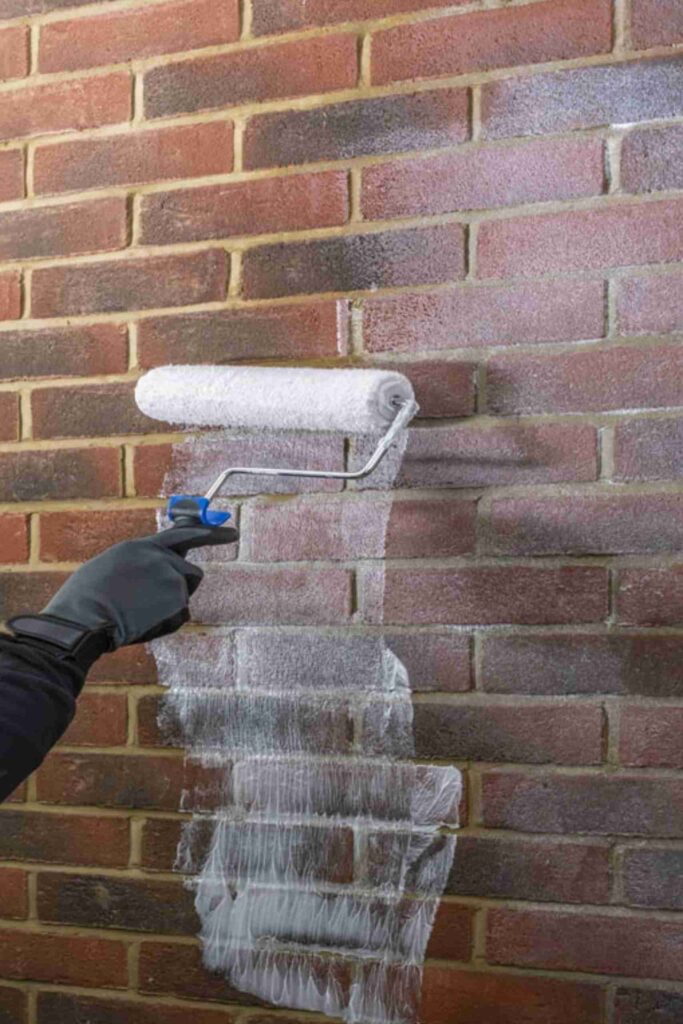
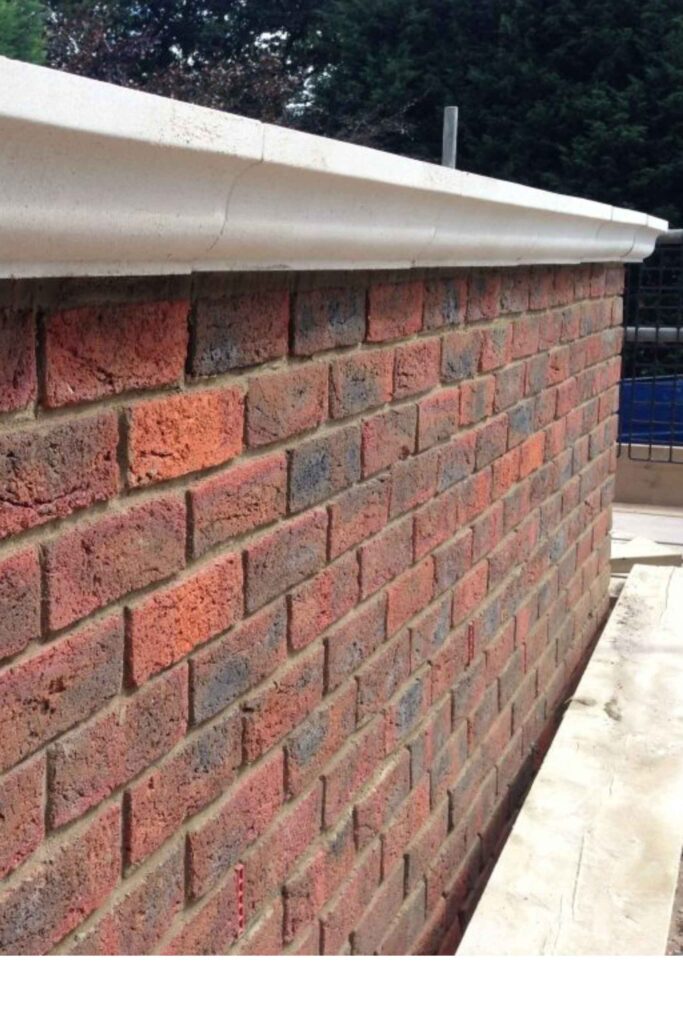
Stucco repair addresses cracking, delamination, and moisture entry on exterior stucco walls and façades. Reapplication is used when failure is widespread, and patching keeps breaking down. Choosing the wrong scope can trap moisture and increase spalling. In New York City, weather exposure and curing conditions often shape when work can proceed safely.

Stucco Damage Triggers Services Near Me

In New York City, “near me” searches for stucco repair often come down to timing and site conditions, not distance. Mixing and curing depend on dry windows, and those windows can shift quickly on occupied buildings with tight access, limited staging, and material handling constraints. That’s why stucco repair in New York City often favors nearby crews who can adjust sequencing when weather or access changes.

NYC freeze–thaw cycles, wind-driven rain, and salt exposure can turn small cracks into hollow spots and spalling. Proximity helps crews return to complete coats within the right curing window, protect open areas between visits, and keep entrances usable during the work.

Stucco Repair & Replacement

Why Choose Us?

From Harlem brownstones to Westchester townhomes, our experienced team understands New York masonry inside and out.

Why locals trust Spark Restoration Inc for masonry services in NYC:

  • Licensed & fully insured masonry experts
  • Deep knowledge of NYC construction codes
  • Skilled in historic restoration and modern builds
  • Quick turnaround for masonry violation corrections
  • Honest pricing and detailed project planning

We proudly serve all boroughs and nearby neighborhoods with responsive, reliable service.

Reviews

Customers consistently praise Spark Restoration Inc. for reliable service, skilled workmanship, and durable results across exterior repair, renovation, masonry services, and full property restoration. Homeowners and commercial clients value the team’s professionalism, clear communication, and high-quality finishes.

Request a Quote

Ready to Work Together? Build a project with us!

Need any help with projects?

Have questions or need professional property restoration services? Spark Restoration Inc is here to help. Get in touch today to schedule a consultation and let us bring your property improvement project to life.

A Complete Guide About Your Stucco Repair & Reapplication Services in New York

If you’ve ever walked through New York City and admired those beautiful, smooth, textured walls that seem to hold a building’s soul together — chances are, you were looking at stucco. And if you’ve owned property here long enough, you also know stucco doesn’t stay picture-perfect forever.

Cracks show up. Water sneaks in. Paint starts peeling like last week’s bad manicure.

That’s where Stucco Repair & Reapplication Services come in — and if you’ve been searching “stucco repair near me” at 2 a.m. after spotting a suspicious crack on your facade, don’t worry. You’re not alone. And you’re definitely in the right place.

Let’s grab a (virtual) coffee and talk through everything you need to know — from what stucco really is, to when it needs help, and how Spark Restoration Inc. keeps New York buildings looking as timeless as ever.

What Exactly Is Stucco, Anyway?

Alright, let’s start simple. Stucco is basically the city’s version of a tough, stylish jacket. It’s a durable, plaster-like material made from cement, sand, lime, and water — applied in layers to create a smooth (or sometimes textured) exterior.

The beauty of stucco? It’s tough but elegant. It breathes. It handles New York’s wild weather — the humid summers, the bone-chilling winters, the whole “four seasons in a day” situation.

That said, even the toughest jackets need a little mending from time to time.

Over the years, exposure to moisture, shifting foundations, and freeze-thaw cycles can cause cracking, bubbling, or detachment. That’s when it’s time to call in professionals like us — the folks who eat, sleep, and breathe Stucco Repair & Reapplication Services in New York.

Why Stucco Is So Popular in NYC (and Why You Should Care)

You might be wondering — why do so many buildings in New York still use stucco when there are so many modern materials around?

Simple: it works, and it looks fantastic.

Stucco gives you that timeless European finish, but it’s adaptable enough to blend with modern architecture, too. It also acts as an insulating layer, helping with energy efficiency (which, if you’ve ever paid a winter heating bill here, you know is no small thing).

Plus, it’s surprisingly low-maintenance — at least, until it isn’t.

When cracks appear or moisture gets trapped beneath the surface, small problems can quickly snowball into expensive repairs. And trust me, you don’t want to wait until the stucco starts falling off in chunks.

The Warning Signs: How to Know When Your Stucco Needs Repair?

Here’s the thing about stucco: it doesn’t shout for attention — it whispers. And if you know what to listen for, you can save yourself a lot of money and stress.

Here are a few telltale signs that your stucco is crying out for help:

  • Hairline cracks – small but mighty indicators of movement or shrinkage.
  • Bulging or bubbling often means moisture is trapped behind the surface.
  • Stains or discoloration – a red flag for water infiltration.
  • Peeling paint or soft spots – signs that the bond between stucco and substrate is breaking down.
  • Mold or mildew – because moisture has likely been hanging out there for a while.

If you’ve noticed any of these, don’t panic — but do act fast. Moisture damage doesn’t fix itself, and the longer you wait, the worse (and pricier) it gets.

How Stucco Repair & Reapplication Actually Works?

Now, let’s pull back the curtain a bit. You might imagine stucco repair as just patching a few cracks and calling it a day. But good stucco repair — the kind that lasts decades — is equal parts science and craftsmanship.

Here’s how Spark Restoration Inc. handles it:

1. Inspection & Assessment

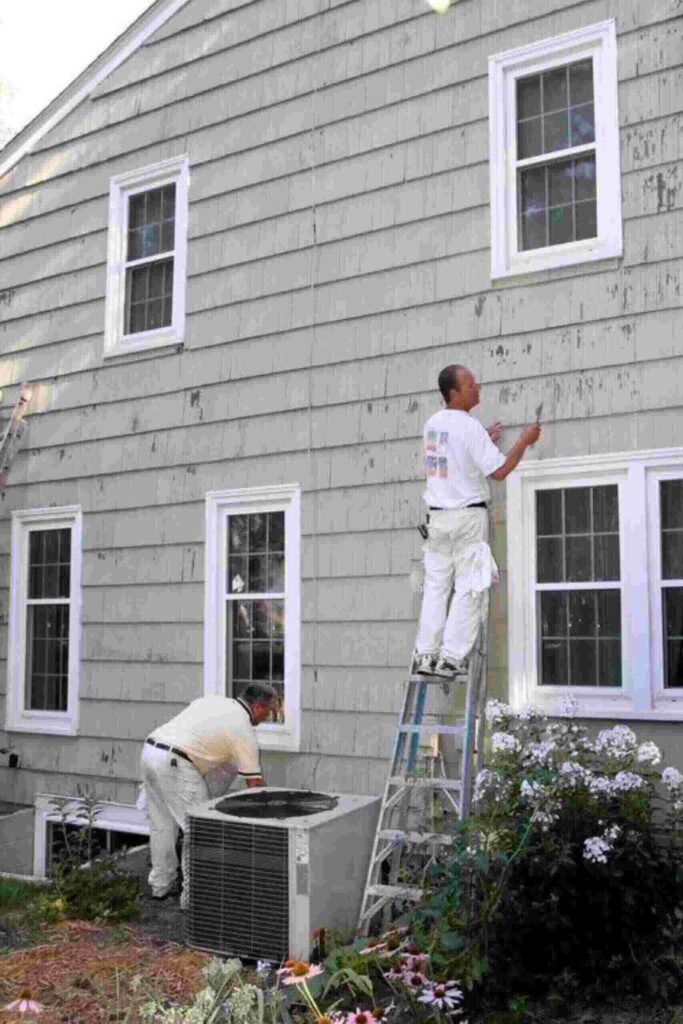
Every project starts with a detailed inspection. We identify cracks, delamination, and water infiltration issues — sometimes even using moisture meters or infrared scanning.

2. Surface Preparation

Old, damaged stucco is carefully removed. The surface underneath is cleaned and primed to ensure a solid bond for new material.

3. Repair or Reapplication

Depending on the extent of damage, we either repair localized areas or perform a full reapplication. Reapplication involves rebuilding the stucco layers from scratch — scratch coat, brown coat, and finish coat.

4. Texture & Color Matching

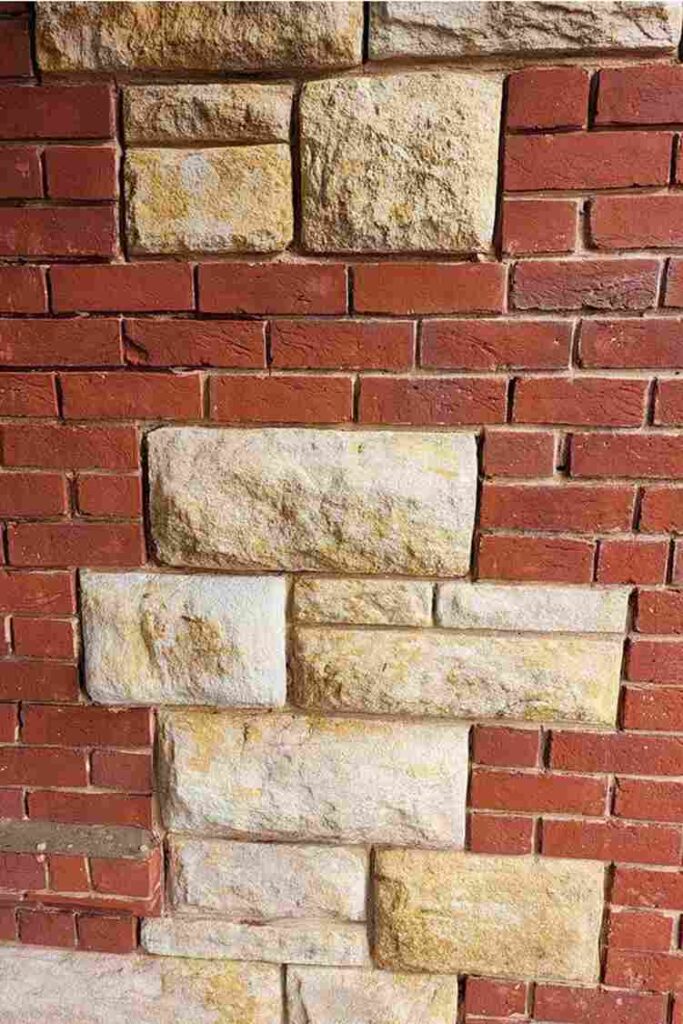
This is where art meets engineering. Matching the original color and texture (especially on older buildings) takes experience — and a sharp eye. That’s one of the reasons clients love our team at Spark Restoration Inc. We make new repairs that blend seamlessly with historic exteriors.

5. Sealing & Finishing

Finally, we seal and finish the stucco to protect it against future moisture and environmental wear.

In short? It’s not just about making things look good — it’s about making them last.

When a Touch-Up Isn’t Enough?

Sometimes, repair alone won’t cut it.

If your stucco is severely damaged, has been patched too many times, or is separating from the wall, full reapplication might be the smarter long-term solution.

Think of it like replacing a worn-out roof — patching might work temporarily, but at some point, you need a full redo to restore integrity.

Reapplying stucco gives your building a fresh start — structurally and aesthetically. And with modern materials and coatings, we can make it even more durable than the original.

Why Stucco in New York Needs Extra Care?

You don’t need me to tell you that New York weather is… dramatic. One day you’re sweating through your shirt, the next you’re shoveling snow off your steps.

Those wild temperature swings cause stucco to expand and contract — and that’s how cracks form. Add in humidity, acid rain, and the occasional “sideways snowstorm,” and you’ve got the perfect recipe for exterior wear and tear.

That’s why routine maintenance and timely repair are key. A little attention now saves a lot of heartbreak later.

Why New Yorkers Choose Spark Restoration Inc.?

Here’s the part where we (humbly) talk about ourselves.

We’re not just another contractor you found by searching “Stucco Repair & Reapplication Services near me.” We’re a team that’s been serving the five boroughs for years — from brownstones in Brooklyn to commercial facades in Manhattan.

What makes Spark Restoration Inc. different?

  • Experience you can see – Every finish we deliver speaks for itself.
  • Local expertise – We understand New York’s climate, building codes, and architecture like no one else.
  • Top-tier materials – We use only the best products and coatings to ensure longevity.
  • Licensed & insured – Fully compliant with NYC regulations, including Local Law 11.
  • Customer-first philosophy – We communicate clearly, show up on time, and treat every project like it’s our own home.

A Little Story (Because Every Wall Has One)

A while back, we worked on a pre-war apartment building in Queens. The owner called us because chunks of stucco were literally falling off after a harsh winter. She was worried the whole facade would need replacing.

We inspected, repaired damaged sections, matched the century-old texture, and resealed the walls. When we finished, the building didn’t just look restored — it felt like it had been given new life.

A few months later, she called back — not for repairs, but to say, “I finally love walking past my building again.”

Moments like that are why we do what we do.

Choosing the Right Stucco Finish for Your Property

If you’re reapplying stucco, you get a fun bonus — choosing the finish. Here are a few common types we work with:

  • Smooth Finish – Sleek, modern, and easy to clean.
  • Sand or Float Finish – A balanced, slightly textured look.
  • Dash Finish – More rugged and traditional, often used on older buildings.
  • Lace Finish – Great for hiding imperfections.

Each finish changes the look and feel of your property — so think of it as a chance to give your building a mini makeover.

Preventive Maintenance Goes a Long Way

Once your stucco is repaired or reapplied, keeping it in top shape doesn’t take much effort. Here’s how:

  • Inspect it once or twice a year for cracks or discoloration.
  • Keep gutters and downspouts clear — water is stucco’s worst enemy.
  • Repaint or reseal every 5–7 years for extra protection.
  • Address minor issues right away. (Trust me, “later” usually costs more.)

How Much Does Stucco Repair Cost in NYC?

Let’s talk money, because, well, this is New York.

The cost of Stucco Repair & Reapplication Services depends on several factors — size, extent of damage, material type, and accessibility (yes, scaffolding in Manhattan can be a project of its own).

That said, most minor repairs range from a few hundred to a few thousand dollars. Full reapplications or large-scale restorations can go higher.

The best way to get a clear estimate? A professional inspection. And yes — Spark Restoration Inc. offers free consultations, so you know exactly what you’re dealing with before any work begins.

Common Mistakes People Make With Stucco Repairs

Let’s save you some trouble. Here are a few common pitfalls we see all too often:

  1. DIY patches – It’s tempting, but store-bought stucco mixes rarely match texture or strength.
  2. Ignoring hairline cracks – Small issues grow fast in New York’s climate.
  3. Hiring unlicensed contractors – Cheap work usually ends up costing more.
  4. Skipping waterproofing – Moisture control is everything.
  5. Painting too soon – New stucco needs time to cure. Patience pays off.

In a City That Never Sleeps, Your Building Shouldn’t Crumble

New York’s skyline tells stories — of endurance, resilience, and craftsmanship. Your building is part of that story.

Whether it’s a brownstone in Brooklyn or a co-op in the Bronx, Spark Restoration Inc. is here to keep your walls strong, beautiful, and weatherproof — one layer of stucco at a time.

Because buildings, like people, deserve a little care now and then.

Conclusion

Stucco is more than just an exterior material — it’s protection, personality, and pride rolled into one. When it’s damaged, your building loses more than curb appeal; it loses integrity.

But with the right team — one that understands New York’s architecture and cares about preserving it — you can bring that beauty (and strength) right back.

So next time you spot a crack or a water stain, don’t ignore it. Give Spark Restoration Inc. a call. We’ll take care of it like it’s our own home — because that’s how we work, and it’s how we’ve built trust across the city.

Frequently Asked Questions

Hairline, stable cracks can often be monitored. Act sooner when cracks widen, the wall sounds hollow, sections feel loose, or fresh spalling appears after wet weather—especially on NYC exterior walls after freeze–thaw. These signs suggest loss of bond or moisture movement behind the finish.

Patching fails when the underlying cause remains, such as moisture entry, movement at corners/openings, or weak layers beneath the finish. If the base coat or substrate is compromised, a surface skim may look clean, then crack again as water cycles and pressure builds behind the coat.

Water enters through small cracks and joints, then expands during freeze–thaw cycles. Repeated wetting, drying, and salt exposure can weaken the bond between layers and create hollow areas that break off. This is common on wind-exposed NYC elevations and parapet transitions.

In NYC, planning often depends on staging space, keeping entrances usable, and routing materials and debris without blocking circulation. Tight access can shape coat sequencing, daily cleanup, and timing around resident movement, especially when multiple visits are needed to complete scratch, brown, and finish coats.

In NYC, permits or inspections may come up when scope requires sidewalk occupancy controls or temporary protection, such as sidewalk protection or scaffold installation, or when work extends beyond small patch areas. What applies depends on building type, access constraints, and how much wall area is affected.

Scroll to Top