




Power Washing & Surface Cleaning Service in New York

Restore curb appeal without risking paint, brick, or landscaping. We use calibrated pressure, soft-wash methods, and eco-friendly detergents to lift grime, algae, and traffic film from sidewalks, stoops, façades, fences, and patios. Clear communication, tidy setup, and protected runoff keep your property—and your neighbors—happy. Ideal for owners, managers, and co-ops on timelines.

Power Washing & Surface Cleaning Services Near Me

If you’re searching for surface cleaning near me, you’re likely looking for fast scheduling, clear pricing, and results that hold up beyond the next rainstorm—especially in high-traffic city environments where buildup returns quickly.

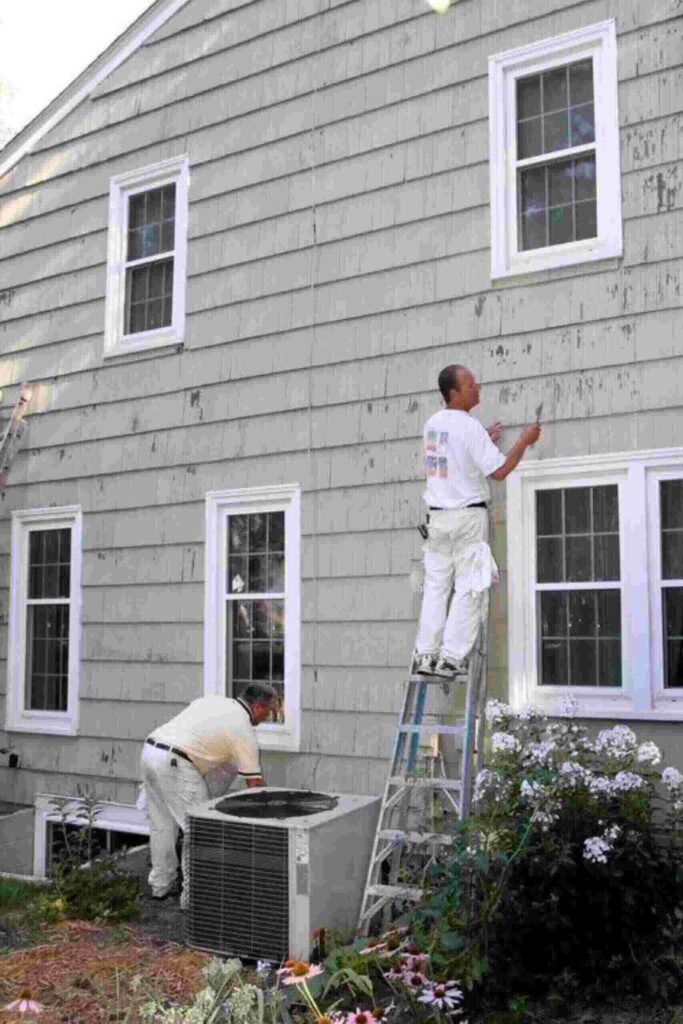
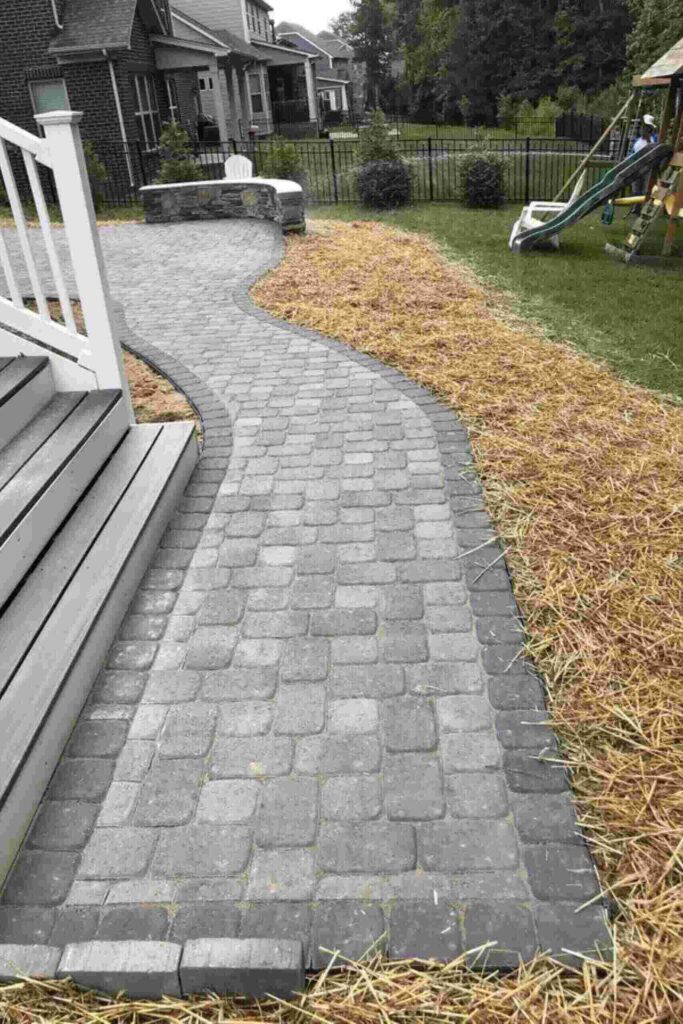
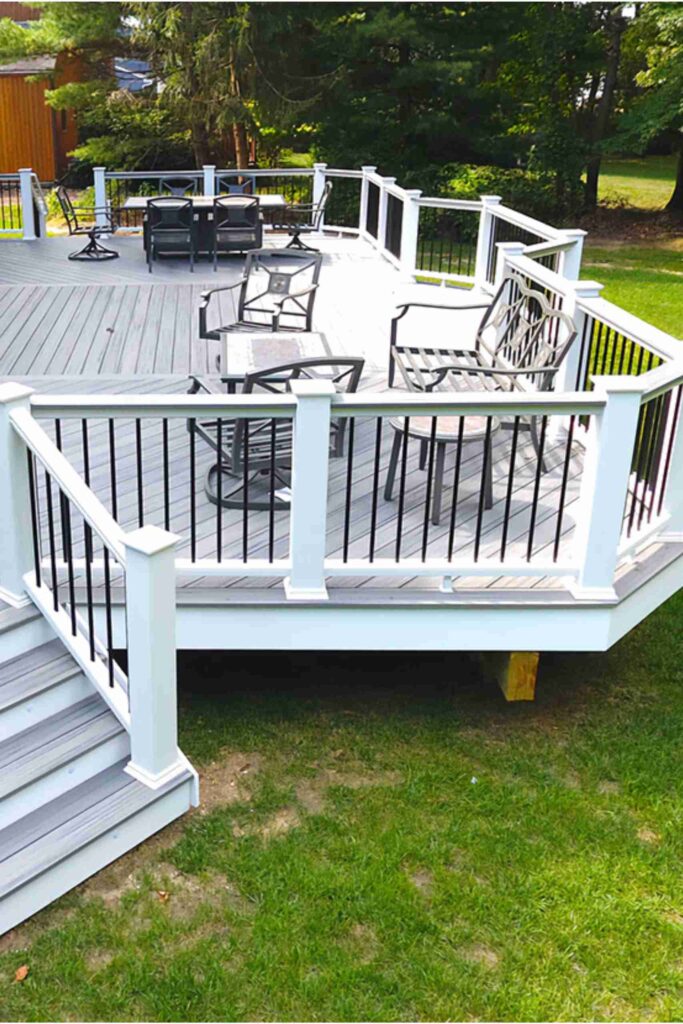
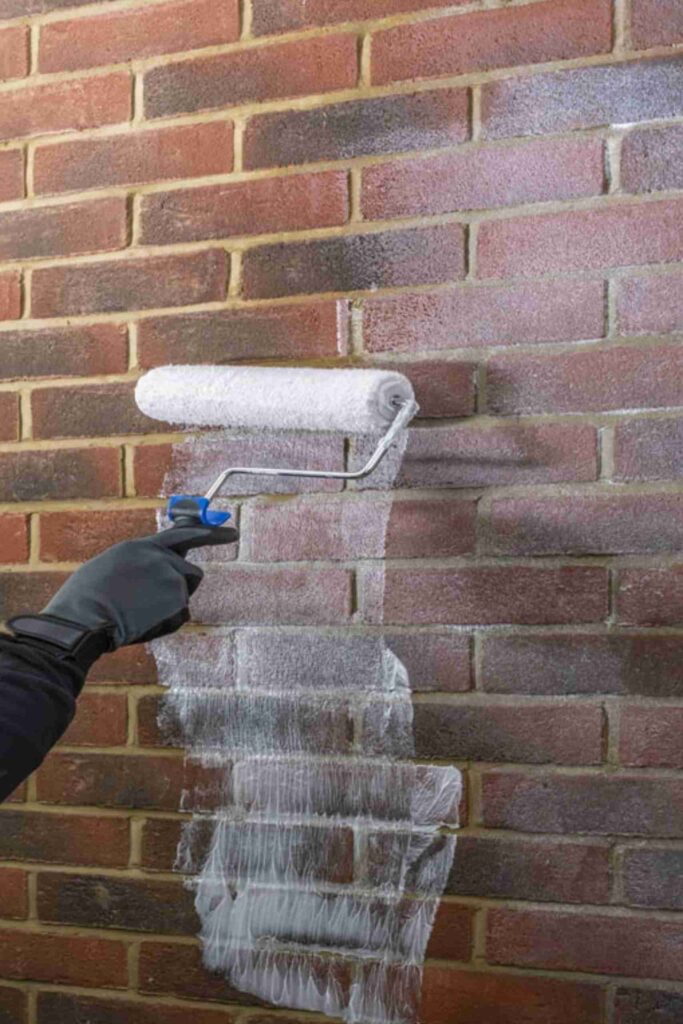
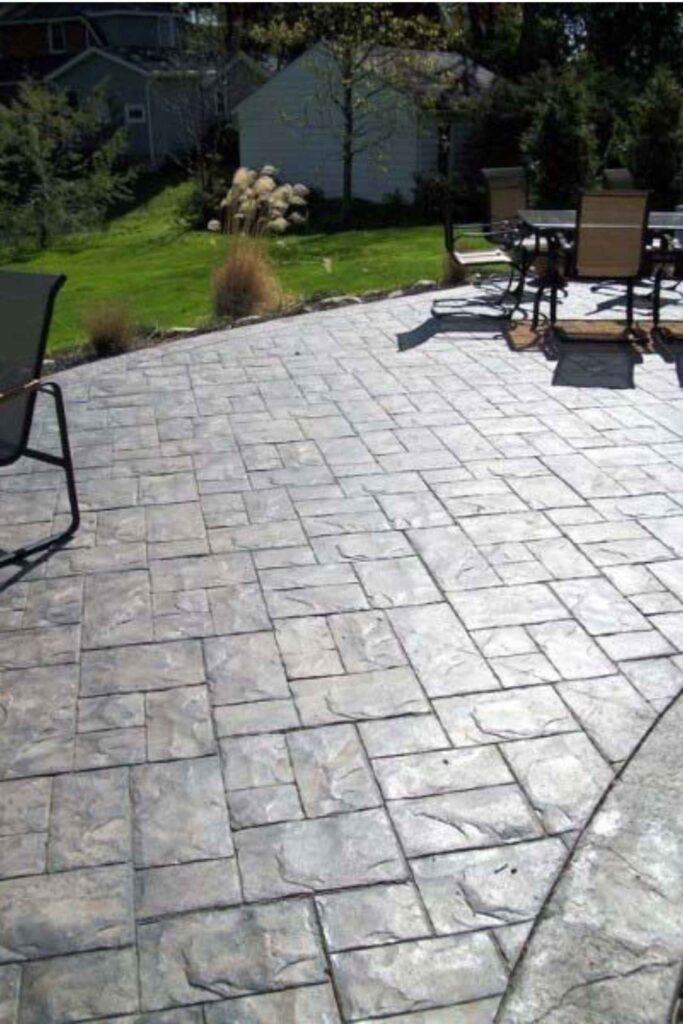
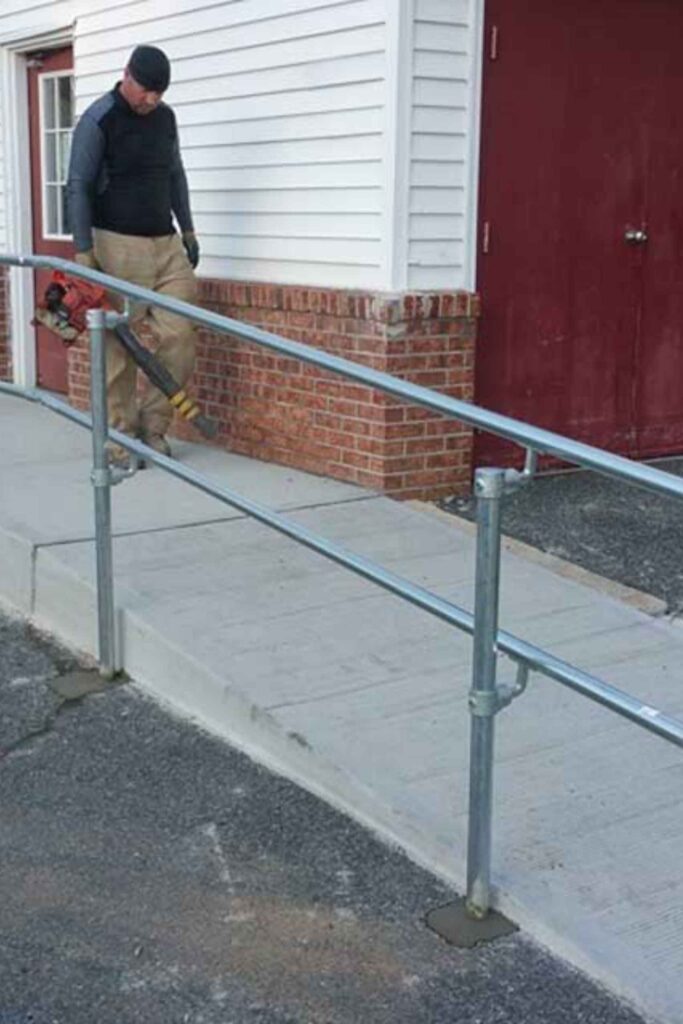
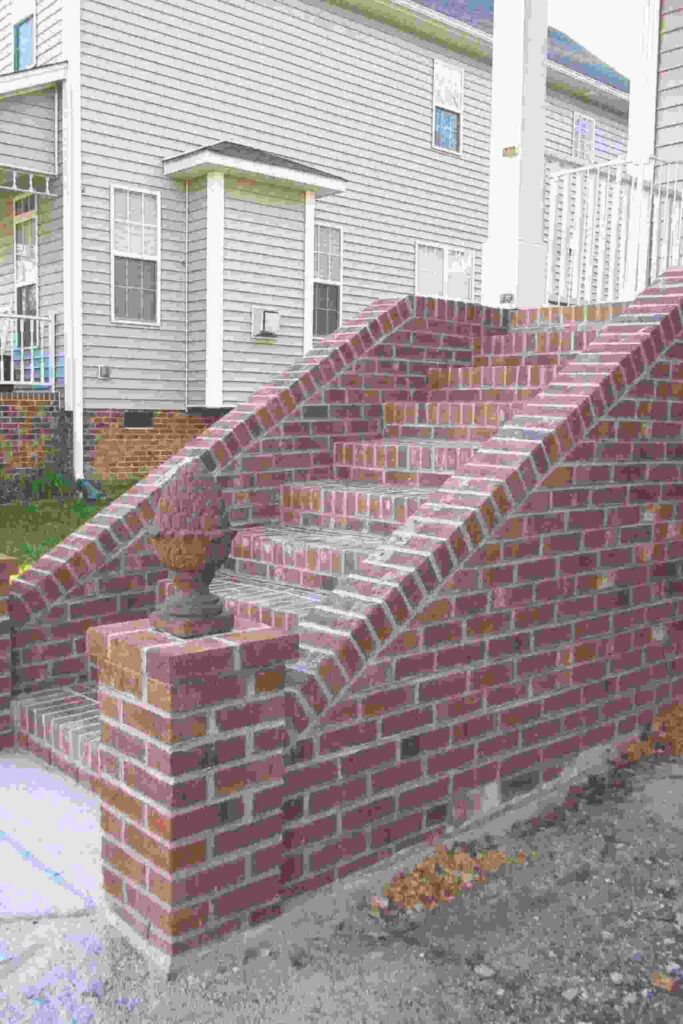
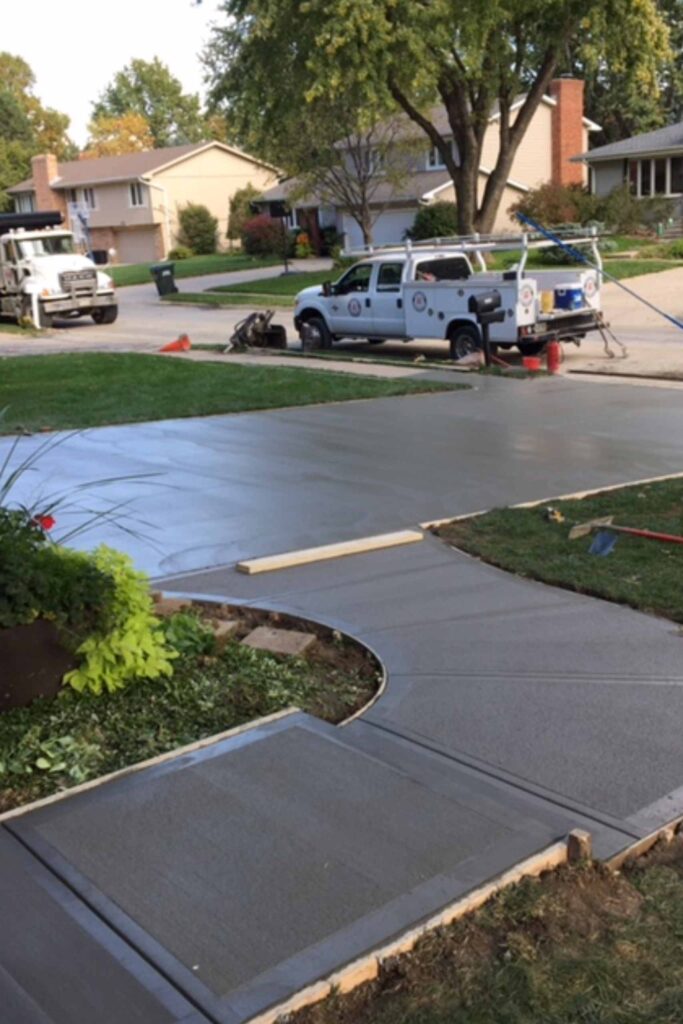
We clean sidewalks, brownstone stoops, drive pads, patios, fencing, and building exteriors using the correct balance of pressure washing and soft-wash methods. This approach removes grime, algae, and pollutants without etching surfaces or damaging mortar, coatings, or landscaping.

You can expect a defined scope of work, before-and-after photo documentation, protected plantings, and responsible runoff control—critical on dense blocks and shared properties. We regularly coordinate access with homeowners, property managers, and co-ops, including off-hours scheduling and superintendent approvals when required.

Power Washing & Surface Cleaning

Reviews

Customers consistently praise Spark Restoration Inc. for reliable service, skilled workmanship, and durable results across exterior repair, renovation, masonry services, and full property restoration. Homeowners and commercial clients value the team’s professionalism, clear communication, and high-quality finishes.

Why Choose Us?

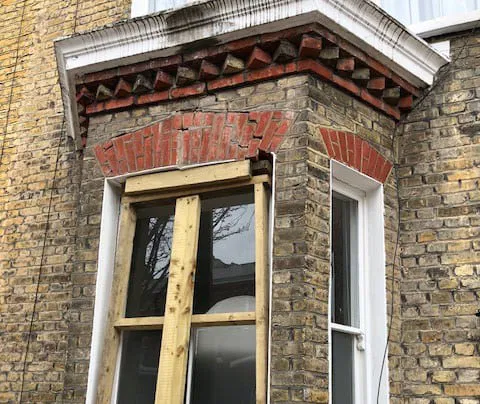
From Harlem brownstones to Westchester townhomes, our experienced team understands New York masonry inside and out.

Why locals trust Spark Restoration Inc for masonry services in NYC:

  • Licensed & fully insured masonry experts
  • Deep knowledge of NYC construction codes
  • Skilled in historic restoration and modern builds
  • Quick turnaround for masonry violation corrections
  • Honest pricing and detailed project planning

We proudly serve all boroughs and nearby neighborhoods with responsive, reliable service.

Request a Quote

Ready to Work Together? Build a project with us!

Need any help with projects?

Have questions or need professional property restoration services? Spark Restoration Inc is here to help. Get in touch today to schedule a consultation and let us bring your property improvement project to life.

Understanding Power Washing Challenges in New York City

In New York City, exterior surfaces collect a stubborn mix of traffic film, soot, spilled beverages, and organic growth that builds up quickly after humid stretches and sudden rain. Sidewalks and stoops face constant foot traffic, while building exteriors are exposed to wind-driven grime and shaded moisture that encourages algae and mold. Tight sidewalks, parked cars, and nearby entryways also raise the stakes for overspray and runoff.

Professional execution matters because the wrong approach can etch concrete, strip protective coatings, or loosen aging mortar. Experienced crews match pressure, temperature, and detergents to the material, use controlled rinsing, and manage containment so cleaning improves appearance without creating damage, complaints, or repeat work.

Why Professional Power Washing & Surface Cleaning Services Matter?

On commercial and multifamily assets, exterior cleaning is a controlled risk operation, not a cosmetic task. Expertise shows up in selecting the lowest effective force, matching chemistry to substrate, and preventing collateral damage—etched concrete, stripped coatings, loosened mortar, and water intrusion. Done correctly, the work supports safety, appearance, and asset integrity without creating new maintenance issues.

Standards and risk mitigation are equally critical in dense environments like New York City, where pedestrian exposure and adjacent property sensitivity are high. Credible providers plan for runoff containment, maintain disciplined work-zone controls, and document site conditions to reduce disputes. This is especially important when schedule pressure tempts shortcuts that compromise durability.

What Experienced Professionals Evaluate?

Before execution, experienced teams assess conditions and constraints to ensure the method protects materials while meeting operational and compliance expectations. That evaluation determines tooling, sequencing, and controls that deliver consistent performance across large, varied surfaces.

  • Substrate condition and vulnerability (spalling, failing coatings, open mortar joints)
  • Stain drivers and required controls (algae and mold removal, oil stain removal, efflorescence removal)
  • Method selection for durability (soft washing vs. hot water power washing; calibrated dwell time)
  • Compliance and environmental safeguards (biodegradable detergents, runoff containment, protected rinsing paths)
  • Uniformity and finish protection (surface cleaner attachment use to avoid striping and lap marks)

Long-Term Value for Property Owners

Long-term value comes from preserving surfaces while achieving repeatable results. A disciplined approach reduces premature deterioration—avoiding concrete etching, coating failure, and moisture-related damage that can trigger repairs far beyond the cleaned area. For commercial corridors and high-visibility entrances, sidewalk cleaning in NYC also supports safer walking conditions and a more consistent presentation across seasons.

Cost avoidance is driven by fewer callbacks, less corrective work, and longer intervals between intensive cleanings. When vendors document controls and outcomes, property teams can standardize maintenance cycles and reduce variance across portfolios. For larger sites, commercial power washing in New York executed with appropriate chemistry, temperature, and containment protects both materials and operations, minimizing disruption and preventing small surface issues from turning into recurring liabilities.

When Immediate Action Is Necessary?

Immediate action becomes necessary when exterior conditions introduce operational risk, not merely visual clutter. Slick films on walking surfaces, recurring organic buildup around shaded entries, and stubborn hydrocarbons near loading zones can worsen quickly after humid stretches and sudden downpours. In Manhattan, dense pedestrian flow and narrow sidewalks raise exposure because one compromised patch can become an incident before staff have time to react. When that risk sits at a front door, it impacts residents, staff, deliveries, and anyone passing through the property’s most visible threshold.

Urgency also rises when problems start propagating: residue tracks into vestibules, staining expands beyond its original footprint, or complaints arrive from tenants, neighbors, or storefront operators. If the site includes older coatings or porous masonry, delaying intervention increases the likelihood that later work will require stricter controls to avoid surface damage. Another warning sign is inconsistency—areas that look “half fixed” after quick rinse attempts—creating patchwork that reads as neglect and invites more scrutiny.

Risks of Delaying Professional Service

Delaying professional service typically compounds both hazard and surface stress because contaminants penetrate pores, moisture is retained, and inconsistent spot rinsing creates uneven finishes that invite repeat work. In Queens, this compounding effect is common on active properties where curbside activity, deliveries, and variable shade patterns continuously reintroduce grime and organics across the same high-touch zones. The longer the buildup remains, the more likely it is that attempts to “catch up” become harsher, less controlled, and ultimately more disruptive.

  • Higher slip-and-fall exposure as algae and mold removal needs intensify on walkways and landings
  • Deeper restoration needs as oil stain removal becomes embedded in porous concrete and pavers
  • Accelerated wear occurs as repeated improvised cleanups become more forceful over time and degrade finishes.
  • Increased complaints and coordination friction as disruption occurs without a durable, consistent result

How Professional Power Washing & Surface Cleaning Services Resolve These Issues?

Professional execution restores control by applying repeatable inputs—chemistry, temperature, pressure, and tooling—based on the substrate and the site’s constraints. Teams plan for runoff containment, protect adjacent finishes, and stage work so access remains predictable for residents, visitors, and deliveries. A surface cleaner attachment supports uniform flatwork results, preventing striping and lap marks that can make a “clean” surface look worse. Where organics dominate, soft washing is used to break the cycle without over-stressing delicate finishes, and a disciplined low-pressure rinse helps prevent water from being driven where it should not go.

Reliability depends on documentation and repeatability, not improvisation. Technicians confirm dwell time and dilution for biodegradable detergents, apply hot water power washing only where the material and contamination justify it, and verify that residues are fully lifted rather than redistributed across adjacent zones. That consistency matters for both sidewalk cleaning in NYC and multi-entry properties, where uneven results are immediately visible and quickly criticized. When the work is executed to a professional standard, commercial power washing in New York becomes less of a recurring fire drill and more of a controllable maintenance outcome.

Schedule an Inspection or Estimate in New York City

A credible inspection is about clarity and risk reduction: confirming substrate sensitivity, identifying dominant contamination drivers, and mapping constraints such as water access, staging space, pedestrian routing, and adjacent storefront exposure. For properties that must align with NYC Department of Buildings (DOB) expectations or strict internal rules, this step also clarifies documentation and containment needs before work begins. Get a free estimate today to establish a specific scope and a realistic sequence that avoids surprises.

After inspection, expect a written plan that addresses finish consistency, containment practices, and verification steps so outcomes are predictable across transitions where flatwork meets façades and thresholds. This reduces day-of friction, limits surprise scope changes, and prevents “field decisions” that undermine durability. If timing is tight due to complaints or an upcoming walkthrough, schedule power washing in NYC with the inspection findings in hand so execution stays controlled, accountable, and consistent.

Frequently Asked Questions

Power washing uses pressurized water to remove embedded soil from hard surfaces like concrete and stone. Soft washing relies on low pressure plus detergents to break down organic growth on siding or masonry. The method is chosen by material strength and the type of staining, not by preference.

Cleaning is typically needed when grime, algae, or oil creates slippery spots or dark staining that doesn’t rinse away with rain. Seasonal humidity and shade accelerate organic buildup, while high foot traffic grinds dirt into porous concrete. After construction or façade work, a reset wash helps remove dust and residue.

Look for a provider that documents scope, tests a small area, and adjusts pressure, temperature, and chemistry to the substrate. Professional standards include runoff control, protected landscaping, and consistent flatwork cleaning using a surface cleaner attachment. If they can’t explain their controls, expect inconsistent results or surface damage.

In New York City, tight sidewalks, basement areaways, and storm drains make runoff management critical, especially where local DOB guidelines and property rules apply. Work often needs to avoid overspray onto pedestrians, parked cars, and adjacent stoops. Many buildings also have older brick and mortar, so low-pressure rinsing and gentle detergents help prevent spalling and efflorescence.

Most projects start with photos or a quick site walk to confirm surface types, staining, water access, and any protection needs. Scheduling depends on area size and drying time; sidewalks often finish same-day, while façades may require staged work. If you share a few photos, a clear timeline can be outlined before arrival.

Scroll to Top